
US Military Operation Captures Venezuelan President Maduro, Igniting Legality Debates and Opposition Challenges
Washington/Caracas — In a dramatic escalation of long-simmering tensions, the United States conducted a military operation on January 3, 2026, resulting in the capture of Venezuelan President Nicolás Maduro, prompting President Donald Trump to hail it as an "amazing military achievement" while drawing sharp questions over its legality and sparking a power struggle among Venezuelan opposition figures.
The operation comes amid heightened U.S.-Venezuela frictions, including early January reports of U.S. actions targeting Venezuelan drug trafficking infrastructure. On January 2, Maduro had signaled openness to talks with the U.S. on drug trafficking issues, even as he sidestepped questions about alleged U.S. attacks. However, events rapidly unfolded into direct confrontation, with Maduro's arrest marking a pivotal shift in the South American nation's protracted political crisis.
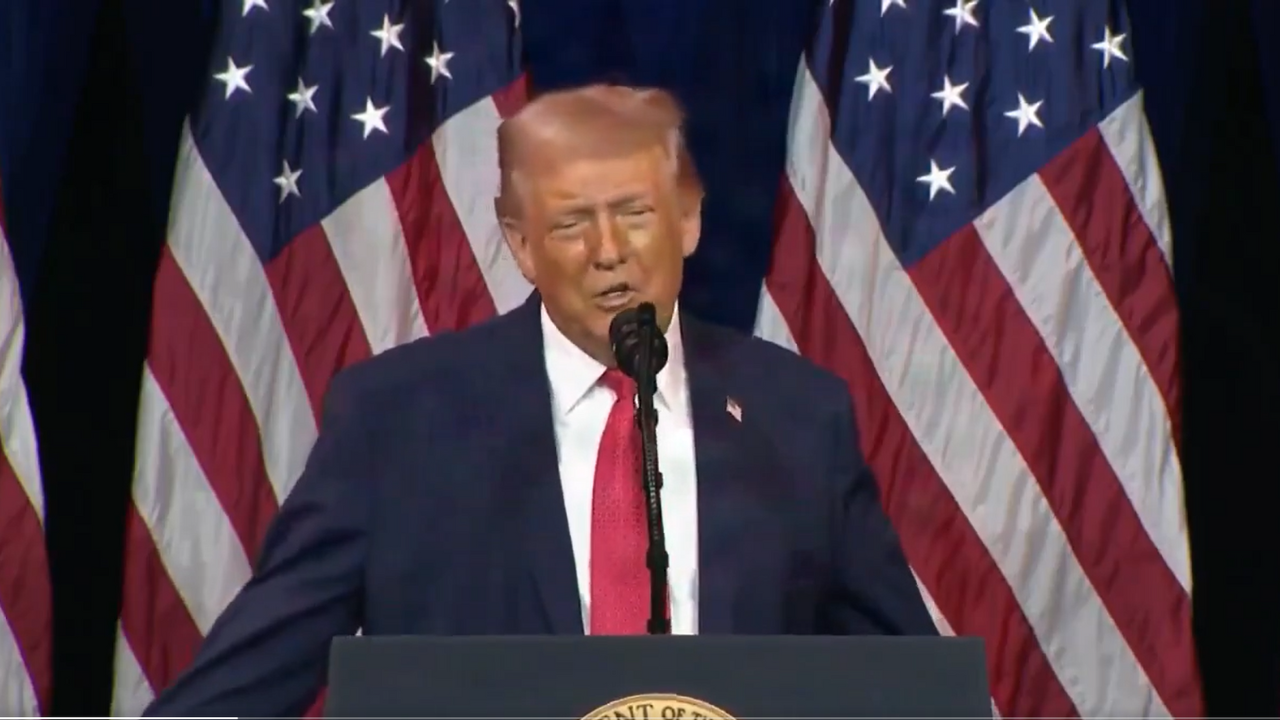
Speaking to House Republicans on January 6 ahead of U.S. midterm elections, Trump patted himself on the back for the mission's success, declaring, "Nobody could’ve done that." He emphasized U.S. military supremacy, criticizing Democrats for failing to acknowledge the operation and accusing the "radical left" of supporting Maduro through funding of protests. Trump further alleged the existence of "torture centres" in Caracas under Maduro's regime, claiming the Venezuelan leader had "killed and tortured millions." These remarks underscore Trump's narrative of the operation as a triumph against authoritarianism and narco-trafficking, tying into broader U.S. concerns over Venezuela's role in regional drug flows.
Yet, the move has provoked immediate backlash. Analysts and international observers, as noted by FRANCE 24 correspondent Andrew Hilliar, are raising serious questions about the operation's legality under international law. Critics argue it may violate Venezuelan sovereignty without UN Security Council authorization or clear self-defense justification, echoing past U.S. interventions like those in Iraq or Panama. No official U.S. confirmation of the operation's precise scope—whether it involved special forces, drones, or other assets—has been released, fueling speculation and diplomatic fallout.
In Venezuela, the capture has accelerated a leadership vacuum. An interim president has assumed power in Caracas, though details on their identity and mandate remain sparse in initial reports. Exiled opposition leader Maria Corina Machado, a prominent Maduro critic, vowed in a January 6 Fox News interview to return "as soon as possible," rejecting the interim leader's authority outright. Machado, who has long challenged Maduro's socialist government, positions herself as a key alternative amid the upheaval. However, Trump tempered expectations for her ascent, stating she does not command the "respect" needed to govern, signaling potential U.S. preferences for a different transitional figure.
Adding intrigue, a Wall Street Journal report revealed that Trump had hinted at impending "big changes" in Venezuela during a private meeting last month with oil executives, urging them to "get ready." Venezuela holds the world's largest proven oil reserves, and U.S. sanctions since 2017 have aimed to curb Maduro's funding from petroleum exports while pressuring for democratic reforms. The timing suggests foreknowledge or planning, potentially linking the operation to economic interests in stabilizing the oil-rich nation.
Background on Venezuela's Crisis
Venezuela's turmoil traces back to 2013, when Maduro succeeded Hugo Chávez amid economic collapse driven by oil price drops, mismanagement, and U.S. sanctions. Hyperinflation peaked at over 1 million percent in 2018, prompting mass emigration—over 7 million Venezuelans have fled. The U.S. recognized opposition figure Juan Guaidó as interim president in 2019, but Maduro retained control with backing from Russia, China, Cuba, and Iran. Drug trafficking allegations have intensified scrutiny, with the U.S. designating Venezuela a major cocaine transit point. Recent pre-operation signals of dialogue on narcotics hinted at de-escalation, but the January 3 raid shattered that prospect.
Outlook Amid Uncertainty
The Maduro capture leaves Venezuela's political future opaque. While it could pave the way for elections or power-sharing, risks of civil unrest, military factionalism, or foreign intervention loom large. Machado's return bid may galvanize opposition but faces Trump's skepticism and logistical hurdles. Internationally, allies like Russia have yet to respond formally, while Latin American nations may push for OAS mediation.
In Washington, the episode bolsters Trump's midterm pitch on strength abroad but invites congressional probes on legality. As an interim regime consolidates in Caracas, the world watches whether this marks regime change or chaos in a geopolitically vital nation.
(Word count: 682)






