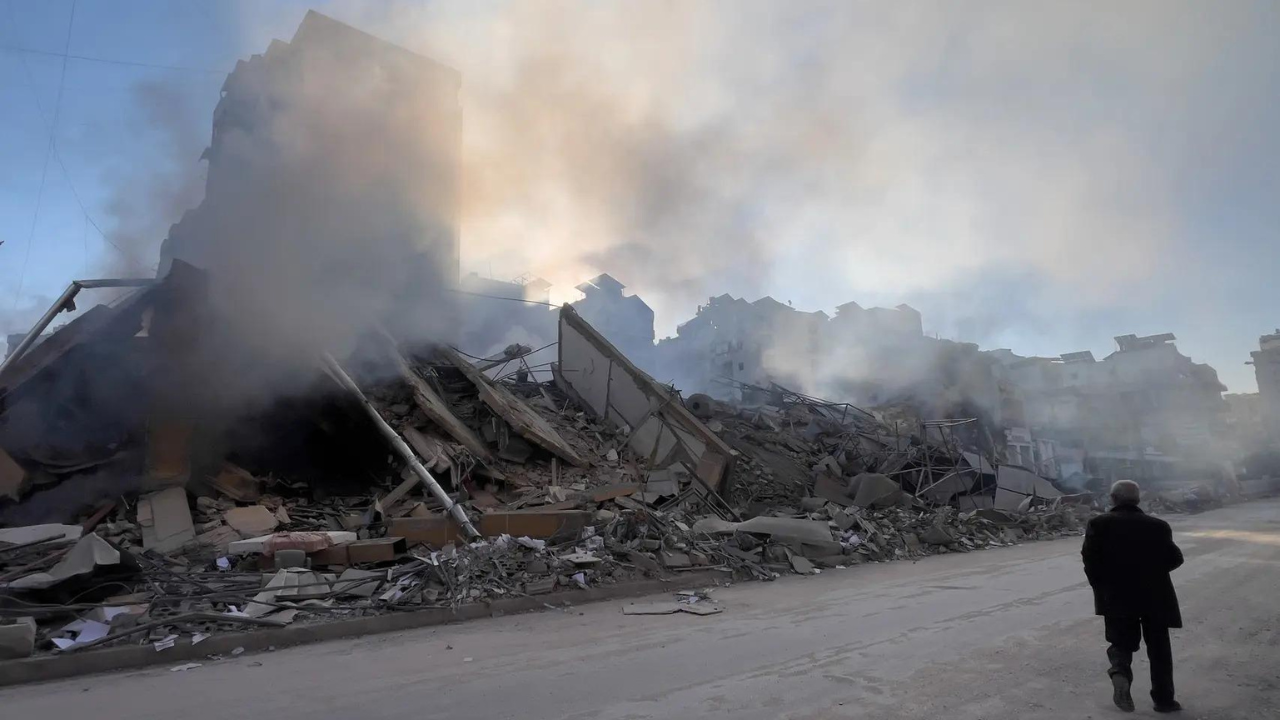

US-Israel Strikes on Iran: Forging New Alliances in the Middle East
Escalating Conflict and Emerging Alliances
The strikes have targeted Iran's Quds Force bases and energy infrastructure, degrading up to 40% of its air defenses according to US sources. While Iran responds with limited counterstrikes, Gulf nations like Saudi Arabia and the UAE are quietly coordinating with Israel and others, such as India and Turkey, for defense. This shift from isolation to collective action highlights a new era of pragmatic diplomacy amid fears of Iranian escalation.
Looking Ahead: Implications and Predictions
These alliances could pressure Iran into negotiations or lead to a broader anti-Iran coalition involving Europe and Asia. While this might stabilize oil routes, it risks wider conflict. Global markets are already reacting, with oil prices potentially surging to $100 per barrel.
What This Means
The formation of these alliances signifies a strategic pivot, moving away from traditional rivalries to address shared threats. This could enhance regional security but may isolate Iran further, influencing long-term power balances in the Middle East.
(Word count: 612)