US Influence on Venezuelan Oil Sector Offers Lifeline to India for $1 Billion Dues Recovery

Latest from X
US Influence on Venezuelan Oil Sector Offers Lifeline to India for $1 Billion Dues Recovery
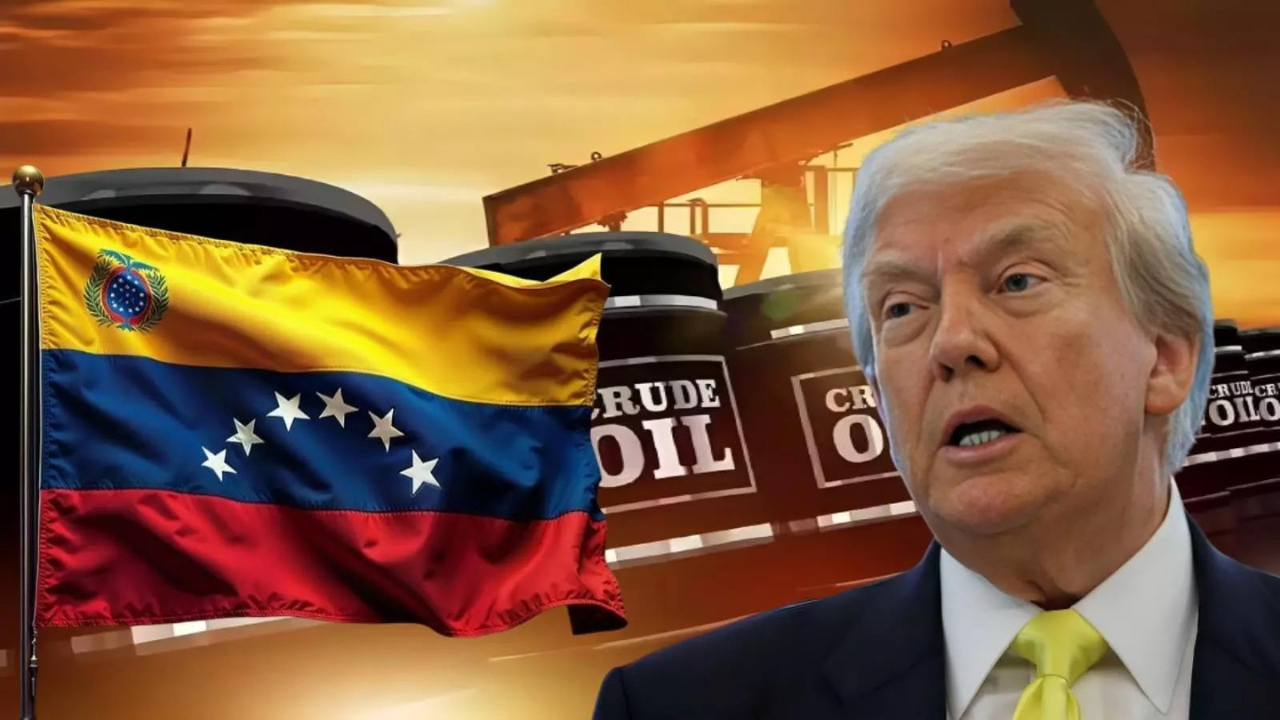
In a significant development for global energy markets and international relations, a potential US-led takeover or restructuring of Venezuela's oil sector could pave the way for India to recover nearly $1 billion in long-pending dues. This shift, following recent US military and political actions in Venezuela, also holds the promise of reviving stalled crude oil production at fields operated by Indian companies, such as the San Cristobal oilfield. As geopolitical dynamics reshape the Latin American nation’s economic landscape, the implications for India and the global oil market are profound.
According to reports from The Times of India, the United States has intensified its influence over Venezuela, with actions including strikes on the capital, Caracas, and the capture of President Nicolás Maduro, as noted in recent international coverage. This intervention, one of the most direct by Washington in Latin America in decades, has created a power vacuum and opened discussions about the future of Venezuela’s vast oil reserves—the largest in the world. Amid this turmoil, India stands to gain both financially and strategically, as US sanctions that previously crippled transactions with Venezuelan entities may be eased or restructured under new oversight.
ONGC Videsh Limited (OVL), the overseas arm of India’s state-owned Oil and Natural Gas Corporation, holds a significant 40% stake in the San Cristobal oilfield. Operations at this field, along with other projects like Carabobo, have been stalled due to Venezuela’s economic collapse, political instability, and stringent US sanctions imposed over the past decade. These sanctions restricted payments and trade, leaving OVL with approximately $600 million in unpaid dividends and dues, part of the larger $1 billion owed to Indian entities. A US-led restructuring could facilitate the resumption of operations, allowing OVL to recover these funds either through direct payments or in-kind oil supplies.
The potential revival of crude production is another critical aspect of this development. With sanctions potentially lifted or modified, Indian firms could restart output at Venezuelan fields, contributing to both local supply and India’s energy security. Venezuela, despite its massive reserves, has seen production plummet from over 3 million barrels per day in the early 2000s to under 800,000 barrels recently due to mismanagement and international isolation. A stabilized oil sector under US influence could help reverse this decline, indirectly benefiting oil-importing nations like India, which relies heavily on foreign crude to meet its energy demands.
Background on India-Venezuela Energy Ties
India’s relationship with Venezuela in the energy sector dates back over a decade, with significant investments by Indian public sector companies in Venezuelan oilfields. ONGC Videsh, along with other firms like Indian Oil Corporation (IOC) and Oil India Limited (OIL), invested in projects to secure crude supplies and diversify India’s energy basket. However, Venezuela’s political and economic crises, compounded by US sanctions starting in 2019 under the Trump administration, halted progress. Payments stopped, and Indian companies faced challenges in repatriating funds or importing oil, even as Venezuela offered crude in lieu of cash to settle dues.
The current crisis, marked by US military intervention as reported by Reuters and CNN Business, has shifted the landscape. While the full extent of US control over Venezuelan oil remains unclear, statements from the Trump administration suggest a focus on securing and managing the country’s oil reserves, potentially through partnerships with international firms. For India, this could mean not only financial recovery but also a renewed opportunity to access Venezuelan crude, which previously accounted for a small but strategic portion of its imports (less than 1.2% of total crude imports, valued at approximately $1.76 billion, according to posts on X).
Outlook for Global Oil Markets and India
While the immediate impact on global oil prices appears limited, as noted by The National, any sentiment-driven price hikes could affect India’s import bill in the short term. Venezuela’s contribution to global supply remains small in its current state, but a revival of production could ease pressures on other oil-producing regions. For India, the recovery of $1 billion in dues and the potential resumption of oil supplies from Venezuela are significant, especially as the country seeks to balance its trade deficits and secure affordable energy sources.
Posts on X from verified accounts, including journalists and analysts, reflect a mix of optimism and caution regarding this development. Some highlight the relief for ONGC Videsh, noting that the removal of sanctions could unlock long-stuck dividends and enable oil imports. Others point out the broader implications for India, emphasizing the low supply risk due to Venezuela’s minor share in India’s import portfolio but warning of short-term price volatility in global markets.
As the situation in Venezuela unfolds, the international community watches closely. For India, the US grip on Venezuelan oil represents a rare opportunity to turn geopolitical upheaval into economic gain. However, the success of this outcome hinges on the stability of any new administration in Caracas and the terms under which foreign companies, including Indian firms, are allowed to operate. The coming weeks will be crucial in determining whether this potential lifeline transforms into tangible benefits.
Track this story live
Live World Map
Monitor global events in real time with a live activity map and hotspot summaries.
Markets
Connect live events to Catalyst market signals across crypto, commodities, indices, and forex.
Stock Market Prediction
AI-powered stock market forecasts for S&P 500, Nasdaq, and Dow Jones with geopolitical analysis.
Recession Risk
Track recession risk indicators with AI-powered macro stress and market behavior analysis.
Original Sources
- •
Editorial process: This article was synthesized from the original sources cited above using The World Now's AI editorial system, with byline accountability from our editorial team. We grade every story for source grounding, factual coherence, and on-topic match before publication. Read more about our editorial standards and contributors. Spot something inaccurate? Let us know.
Last updated: January 17, 2026