
U.S. Geopolitical Landscape Shifts: Tariff Delays and Strengthening Alliances
In a significant move reflecting ongoing economic and geopolitical strategies, President Donald Trump announced on January 1, 2026, a one-year delay in the implementation of increased tariffs on upholstered furniture, kitchen cabinets, and vanities. This decision comes amid broader discussions about U.S. foreign policy, particularly regarding its relations with allies and rivals alike.
The announcement regarding tariffs is seen as a balancing act aimed at alleviating pressure on American consumers and manufacturers who rely on imported goods. By postponing the tariffs, the Trump administration is likely seeking to mitigate potential backlash from industries that would be adversely affected by higher import costs. This delay aligns with a broader strategy of navigating trade relations, especially as the U.S. continues to compete with China for economic supremacy.
Context of the Tariff Delay
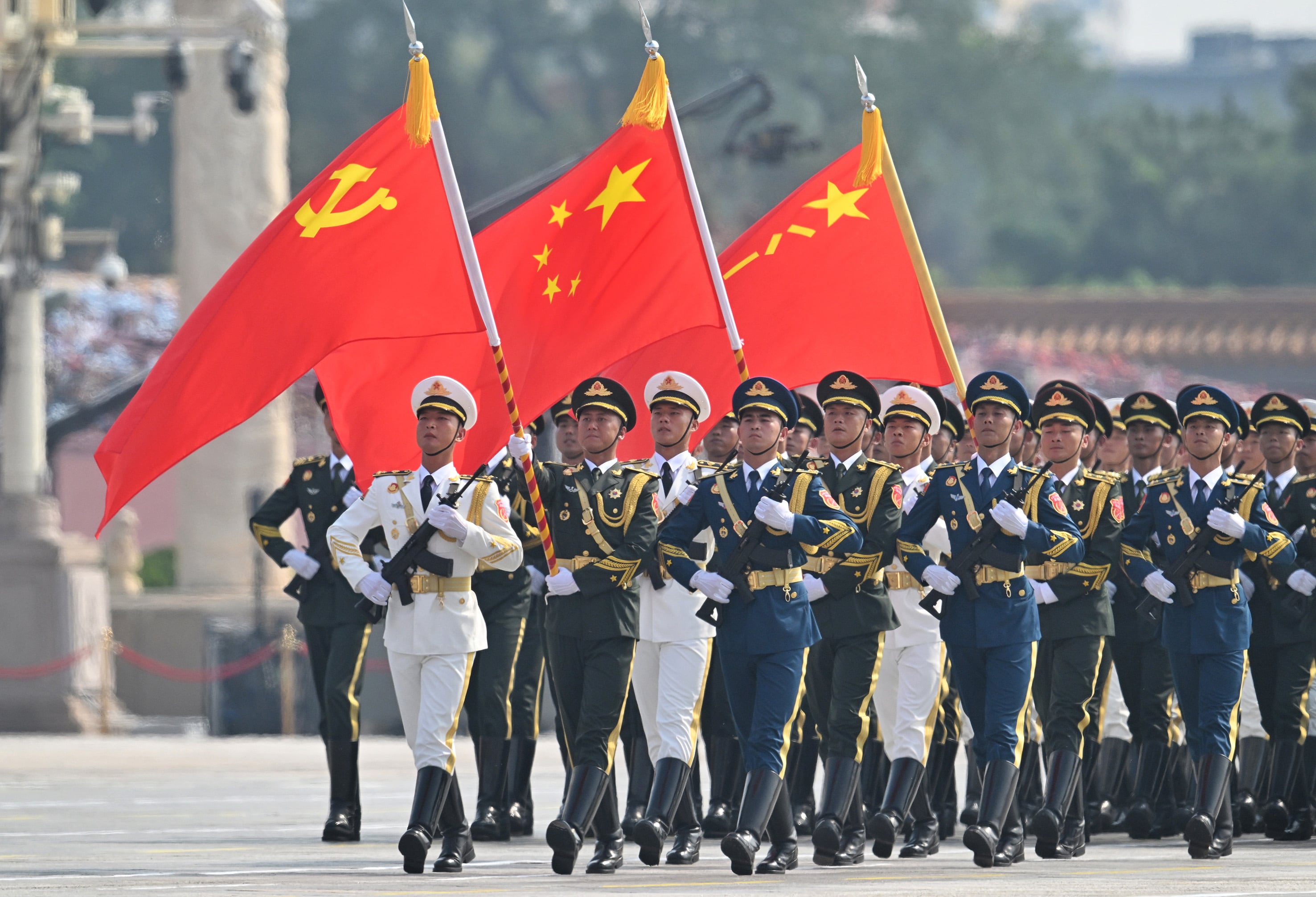
The decision to delay tariffs comes in the backdrop of escalating tensions between the U.S. and China, characterized by a struggle for global hegemony. Experts note that the White House is increasingly viewing the European Union as an adversary, choosing instead to foster relationships with national-populist movements and like-minded nations. This shift in focus underscores the increasing complexity of international relations as the U.S. seeks to assert its influence while managing economic pressures at home.
Strengthening Alliances in the Indo-Pacific
Simultaneously, President Trump has extended an invitation to Japanese Prime Minister Sanae Takaichi to visit the United States in late March 2026. During recent discussions, the two leaders emphasized the importance of bolstering the Japan-U.S. alliance and promoting stability in the Indo-Pacific region. This cooperation is particularly critical given the rising tensions in the area, especially concerning Taiwan and North Korea.
The U.S. and Japan have historically maintained a robust partnership, which has become even more crucial in the face of China's assertive regional policies. Takaichi's acceptance of Trump’s invitation signals a commitment to collaborative efforts in ensuring a free and open Indo-Pacific, a priority that both leaders consider vital for regional security.
Broader Implications
The interplay between tariff policies and international alliances is indicative of the Trump administration's broader geopolitical strategy. The delay in tariffs on furniture and cabinets, while aimed at domestic economic stability, also reflects a tactical approach to trade that considers the implications of international relations. As the U.S. positions itself against both China and potential adversarial EU influences, the administration appears keen on maintaining favorable ties with allies such as Japan.
This dual focus on economic policy and alliance-building reveals a complex landscape where domestic and international strategies must align. As the world watches, the U.S. is navigating not only the immediate impacts of these tariffs but also the long-term implications for its standing in global affairs.
Conclusion
As the U.S. grapples with its economic landscape while simultaneously enhancing international ties, President Trump's recent decisions signal a nuanced approach to both trade and diplomacy. The coming months will be pivotal as the administration seeks to balance domestic interests with the need to fortify alliances in a rapidly changing geopolitical environment. The outcomes of these decisions may well shape the future of U.S. foreign relations and its position in the global hierarchy.






