
US Forces End Wave of Iran Strikes Targeting Command Centers and Missiles
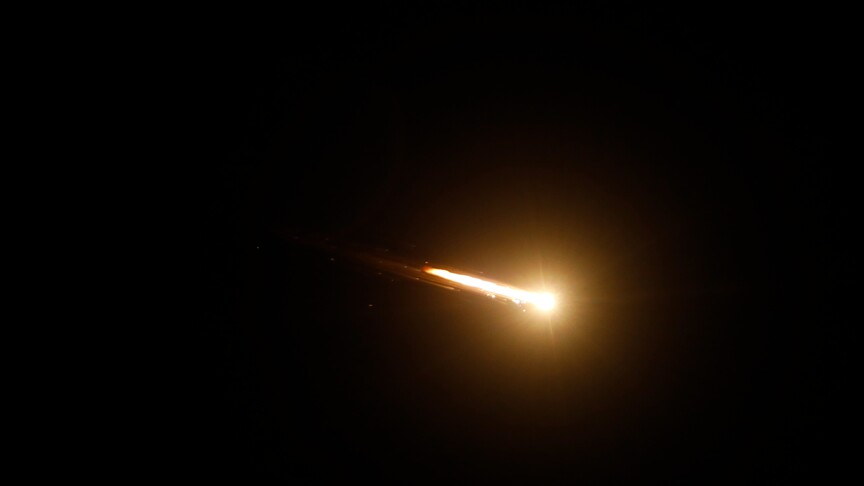
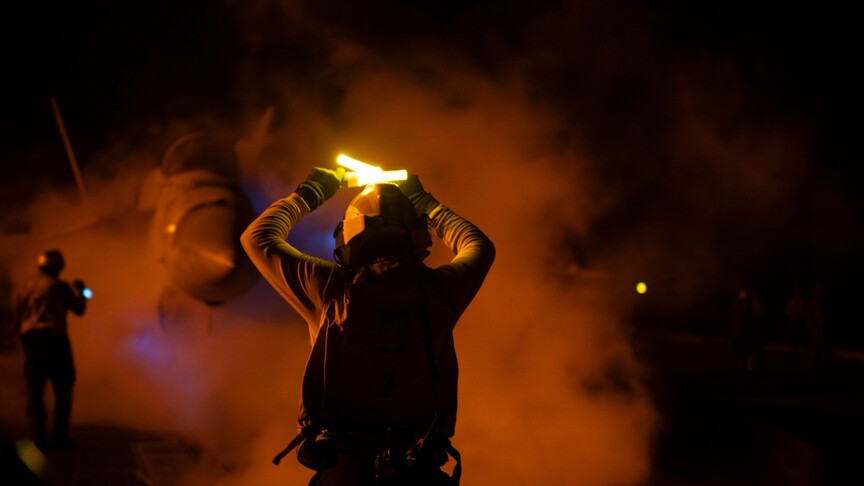
US forces concluded a wave of strikes against Iranian command centers, air defense sites, missile capabilities and surveillance facilities, according to CENTCOM, as part of an intensified campaign linked to threats against shipping in the Strait of Hormuz. [1] The latest Iran strikes formed part of a broader US effort that included reimposition of a naval blockade on Iranian ports.
US Concludes Strikes on Iranian Military Sites
US forces end wave of strikes against Iran according to CENTCOM. [1] Strikes targeted Iranian command centers, air defense sites, missile capabilities and surveillance facilities, says US Central Command. [1] The American strikes hit an Iranian military installation during a 90-minute wave that formed part of rare daytime attacks. [3] The United States struck Iran's coastal defenses and missile capabilities in the operation. [4]
Iranian Retaliation Hits Gulf Targets
Iran responded to the US strikes and naval blockade by launching attacks targeting Bahrain and Kuwait early Thursday. [2] Iranian attacks targeted Bahrain and Kuwait early Thursday after the U.S. reimposed a naval blockade on Iran and intensified its airstrike campaign in retaliation for Tehran's attacks on ships trying to pass through the Strait of Hormuz. [2] Tehran responded with strikes on “US military targets” in Gulf states. [3] The US reimposed a naval blockade on Iranian ports and conducted rare daytime attacks including a 90-minute wave of strikes. [3]
Trump Issues Warning on Further Action
President Donald Trump warned he could widen the campaign unless Tehran returned to negotiations. [3] On July 8, Donald Trump said that the ceasefire agreed to by the two countries in June was “over.” [5] Since then, he has ordered the US military to carry out intensive airstrikes on Iran and has reimposed an economic blockade of the country. [5] The US president has also begun to recycle threats he made earlier in the war, including striking civilian targets and seizing Iran’s Kharg Island. [5]
Strait of Hormuz Remains Paralyzed
Iran has closed the Strait of Hormuz and threatened to shut additional energy export routes including the Bab el-Mandeb gateway. [3] After closing the Strait of Hormuz, Tehran threatened to shut additional energy export routes including the Bab el-Mandeb gateway to the Red Sea, a major global shipping route through which Saudi Arabia exports its oil. [3] The conflict’s centre of gravity has since shifted to the issue of whether shipping through the strait will in the future operate only under what Iran’s chief negotiator, Mohammad Bagher Ghalibaf, has called “Iranian arrangements.” [5] This means ships will only be allowed to transit on Tehran’s terms. [5] The US rejects the idea of Iranian control of the strait and wants a return to the situation of free transit that existed before the war. [5] Iran’s ability to menace shipping in the strait stems from its stockpile of missiles, drones and fast boats. [5]
Oil Markets React to Escalation
Oil prices rose for a fourth straight day amid fears of wider conflict and supply disruptions in the Strait of Hormuz. [4] Oil prices rose for a fourth straight day on Thursday after a new wave of U.S. strikes on Iranian military installations fueled fears of renewed full-scale conflict and supply disruptions in the Strait of Hormuz. [4] A lengthy economic blockade of Iranian ports is perhaps the most effective way to inflict pain on the Iranian government, whose domestic support may fray in a prolonged economic crisis. [5] Economic grievances, including high inflation, contributed to a wave of unrest in Iran in early 2026 that was met with brutal repression. [5]
Context of Renewed Hostilities
Serious hostilities between the US and Iran have resumed. [5] The war began with an attempt by Trump and the Israeli prime minister, Benjamin Netanyahu, to damage Iran’s nuclear capabilities and perhaps topple its regime. [5] However, the conflict’s centre of gravity has since shifted. [5] Nuclear matters have taken a back seat to the issue of whether shipping through the strait will in the future operate only under Iranian arrangements. [5] Mohsen Rezaee, an adviser to Iranian Supreme Leader Mojtaba Khamenei, recently referred to Iran’s influence in the strait as “more important than dozens of nuclear bombs.” [5]
What to watch next: President Donald Trump warned he could widen the campaign unless Tehran returned to negotiations, while Iran has closed the Strait of Hormuz and threatened to shut additional energy export routes.