
US Economy Grapples with Rising Healthcare Costs for 20 Million Amid Oil Price Drop
Washington, DC – January 7, 2026 – As the new year begins, the US economy is showing stark contrasts: over 20 million Americans brace for sharply higher healthcare premiums due to expiring federal subsidies, while crude oil prices continue to slide following President Donald Trump's announcement on increased Venezuelan oil imports.
The expiration of enhanced Affordable Care Act (ACA) subsidies, originally bolstered by the 2021 American Rescue Plan Act and extended through the 2025 open enrollment period, is set to drive up costs for millions starting in 2026. This development, which took effect as early as January 2, has been flagged as a high-severity economic pressure point. Families and individuals relying on ACA marketplace plans face average premium increases estimated in the hundreds of dollars annually, with some states projecting hikes exceeding 50% for unsubsidized enrollees.
Healthcare policy experts have long warned of this "subsidy cliff." The enhanced premium tax credits, which capped contributions at 8.5% of household income for many, reduced out-of-pocket costs significantly during the pandemic recovery period. In 2025, these subsidies enabled record ACA enrollment, peaking at over 21 million. Their lapse means that, for a typical family of four earning $100,000 annually, monthly premiums could jump from around $500 (with subsidy) to over $1,500, according to analyses from the Kaiser Family Foundation (KFF). Lower-income households near the subsidy eligibility threshold—up to 400% of the federal poverty level—will feel the pinch most acutely, potentially leading to increased uninsured rates and strained state budgets.
"This is a ticking time bomb for American families," said Larry Levitt, executive vice president at KFF, in prior statements echoed across policy circles. The issue gained urgency with the close of 2025 open enrollment in mid-December, leaving millions locked into 2026 plans without relief unless Congress intervenes. Democratic lawmakers have pushed for extensions, but with a Republican-controlled Congress following the 2024 elections, prospects appear dim amid fiscal debates over the federal deficit, which stood at $1.9 trillion for fiscal year 2025.
Oil Market Eases Pressures with Venezuelan Flows
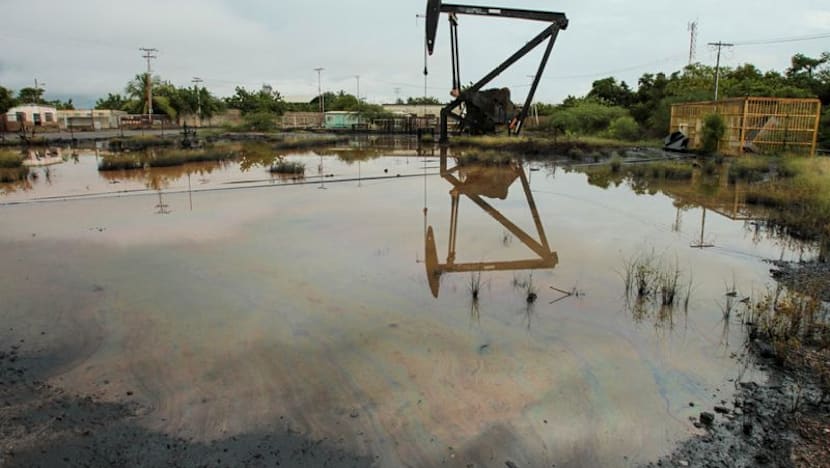
Offsetting some consumer cost anxieties, the energy sector delivered relief this week. West Texas Intermediate (WTI) crude futures extended declines after President Trump revealed that Venezuela would ramp up oil shipments to the US. The announcement, made during a White House address, signaled a thaw in longstanding sanctions against the OPEC nation's state-owned PDVSA, potentially flooding the market with up to 300,000 barrels per day initially.
WTI settled below $70 per barrel on January 6, down over 2% intraday, as traders factored in looser supply constraints. This follows a broader softening in global oil dynamics, including robust US production at 13.4 million barrels per day—the world's highest—and steady demand amid mild winter weather. Channel News Asia reported the market reaction, noting Brent crude also dipped, reflecting optimism over normalized trade flows.
Trump's move aligns with his administration's "energy dominance" agenda, prioritizing domestic refining capacity over import restrictions. Venezuela, once a top US supplier before 2019 sanctions amid political turmoil, holds the world's largest proven oil reserves. Restored access could lower gasoline prices by 10-20 cents per gallon nationwide within weeks, per Energy Department models, benefiting commuters and industries from airlines to manufacturing.
Background: Policy Shifts Shape Economic Landscape
The healthcare subsidy expiration stems from temporary COVID-era measures designed to stabilize markets during economic upheaval. Enrollment surged under these provisions, with 24 states using their own marketplaces reporting near-perfect navigator participation. However, without renewal, the Congressional Budget Office (CBO) projects a 3-4 million drop in ACA coverage by 2027, exacerbating pressures on emergency rooms and Medicaid.
On the energy front, US-Venezuela relations have fluctuated. The Biden administration partially eased sanctions in 2022-2023 for humanitarian reasons, but Trump's return has accelerated deregulation. Chevron's operations in Venezuela, extended last year, now pave the way for broader exports. This comes as global oil inventories build, with the International Energy Agency forecasting a 1.2 million barrel-per-day surplus in 2026.
Broader US economic indicators paint a resilient picture: December 2025 nonfarm payrolls added 216,000 jobs, unemployment held at 4.1%, and GDP growth clocked 2.8% annualized in Q4 preliminary estimates. Inflation cooled to 2.4% year-over-year, nearing the Federal Reserve's target, though shelter and medical costs remain sticky.
Outlook: Balancing Act for Consumers and Policymakers
For households, the dual dynamics mean trade-offs: healthcare bills rise just as pump prices fall, netting modest relief for transportation-heavy budgets. Analysts at Moody's Analytics estimate the oil drop could shave 0.2% off headline CPI, aiding the Fed's soft-landing efforts.
Policymakers face pivotal choices. Bipartisan talks on targeted ACA fixes could emerge, but entitlement reforms loom larger in Trump's second-term priorities. Meanwhile, energy markets watch for OPEC+ responses, with Saudi Arabia hinting at production tweaks.
As these events unfold, the US economy—valued at $28.5 trillion—navigates policy-driven volatility, underscoring the interplay of health, energy, and fiscal sustainability in everyday finances.
(Word count: 712)