
US Asserts Control Over Venezuela's Oil After Maduro Capture, Prompting Prisoner Release Offers and Global Tensions
Washington/Caracas — In a dramatic escalation of the Venezuela crisis, U.S. President Donald Trump has declared that the United States will seize control of Venezuela's vast oil reserves and manage their trade, following the recent capture of President Nicolás Maduro by U.S. forces. The move has rattled global players including China, while Venezuelan officials signal a potential thaw by announcing the release of a "significant number" of prisoners as a peace gesture. These developments come amid earlier signals from Maduro of openness to U.S. talks on drug trafficking and reports of a Russian diplomatic overture to Washington.
The capture of Maduro, confirmed in multiple reports this week, marks a pivotal shift in the long-running geopolitical standoff over Venezuela's resources and governance. Trump's statements, delivered amid rising political tensions, underscore U.S. intentions to direct oil sales proceeds toward American products, aiming to safeguard national interests and potentially lower global oil prices. "Time will tell," Trump reportedly hinted when asked about the duration of U.S. oversight, fueling speculation about a possible trip to Caracas.
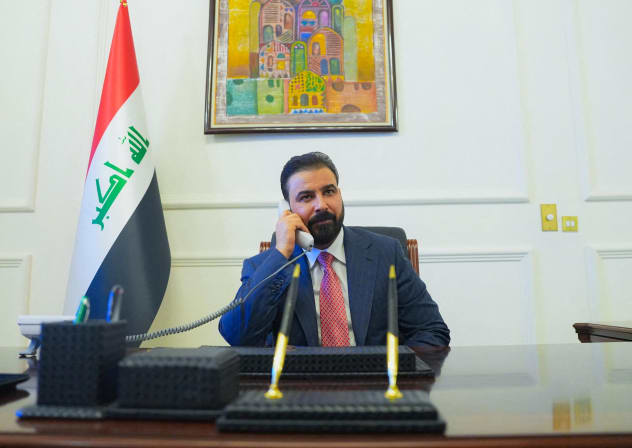
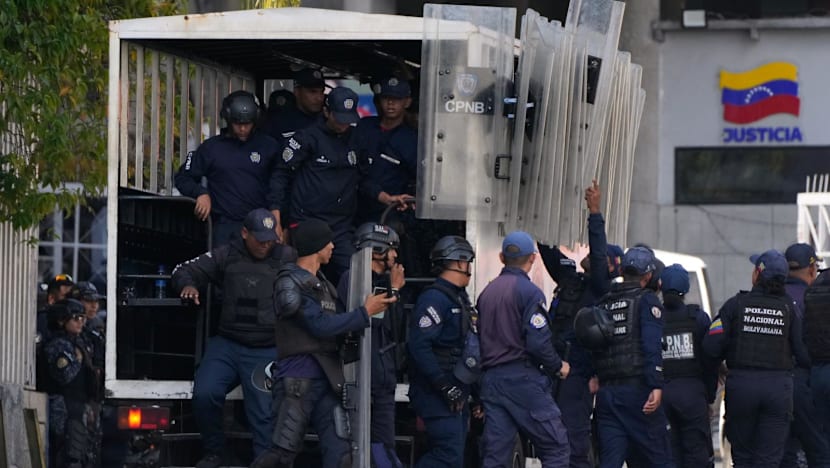
Venezuelan officials responded swiftly to the unfolding crisis. A top figure in Caracas stated that the prisoner releases—described as a gesture to "seek peace"—would involve a substantial number of detainees. This announcement, made days after Maduro's capture, highlights internal pressures within the Maduro-aligned camp amid heightened instability. It aligns with earlier overtures from Maduro himself, who on January 2 expressed willingness to engage in discussions with the U.S. on drug trafficking issues, though he sidestepped questions about a recent attack in Venezuela that sources attributed to U.S. involvement.
The U.S. oil strategy has immediate international ripple effects. China's refiners, heavily reliant on discounted crude from sanctioned suppliers like Venezuela and Iran, are on edge. Trump's actions signal Washington's readiness to weaponize sanctions anew, squeezing Beijing's access to cheap oil even as Venezuela is not its largest supplier. This comes as U.S.-China trade frictions persist, with energy security emerging as a new flashpoint.
Adding another layer, a former adviser to Trump revealed on January 6 that Russia had offered the U.S. a "free hand" in Venezuela in exchange for concessions on Ukraine. The proposal, if verified, reflects Moscow's strategic maneuvering amid its own entanglements in Eastern Europe and longstanding support for Maduro through military and economic aid.
Background on Venezuela's Turmoil
Venezuela's crisis traces back to 2013, when Maduro succeeded Hugo Chávez amid economic collapse driven by mismanagement, corruption, and U.S. sanctions targeting state oil company PDVSA. Hyperinflation, mass emigration, and contested elections—most notably the 2018 vote boycotted by opposition—drew international condemnation. The U.S. recognized opposition leader Juan Guaidó as interim president in 2019, imposing sweeping sanctions that halved oil exports.
Russia and China backed Maduro, with Moscow providing loans and Wagner mercenaries, while Beijing extended billions in credit for oil. Recent years saw partial sanctions relief under Biden, but Trump's return has reversed course aggressively. Maduro's capture—details of which remain sparse—appears to stem from U.S. special operations, echoing past interventions like the 1989 Panama incursion.
Interim Venezuelan leadership, rejecting foreign governance, faces a fractured landscape. Opposition figures and military factions remain divided, with oil—once the world's largest reserves—central to any resolution.
Global Repercussions and Outlook
Trump's oil control pledge challenges Venezuela's interim denial of U.S. "running" the country, raising sovereignty concerns under international law. Proceeds funneled to U.S. goods could stabilize American markets but exacerbate Caracas shortages.
For allies like Russia and China, the moves complicate alliances. Russia's Ukraine-linked offer suggests pragmatic deal-making, potentially easing Venezuela tensions at Kyiv's expense. China, facing U.S. tariff threats, may seek alternative suppliers like Iran or the Middle East.
Analysts anticipate volatility in oil markets, with Brent crude already fluctuating. Diplomatic channels could reopen if prisoner releases lead to broader talks, building on Maduro's drug trafficking overture. However, risks of proxy escalations persist, given U.S. military presence and regional unease from Brazil and Colombia.
As Trump eyes a Caracas visit, the world watches whether this heralds regime change or negotiated stability in Latin America's tinderbox.
(Word count: 682)