
US Aircraft Crash in Western Iraq: Signs of Escalating Regional Instability?
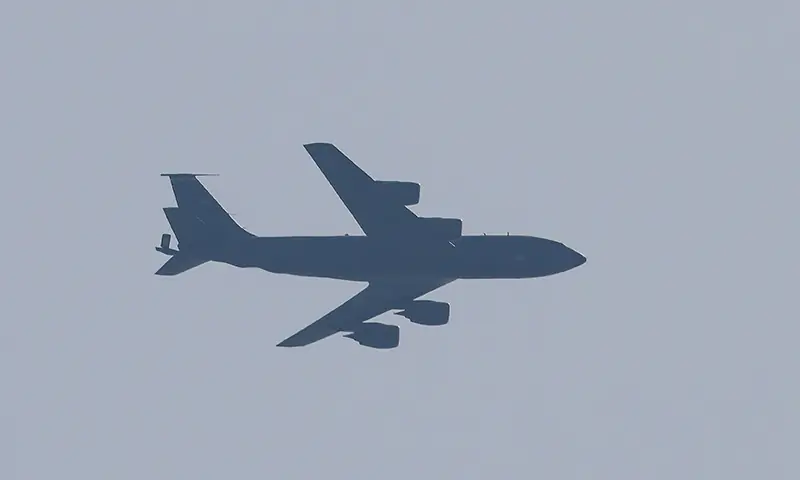
A US military refueling aircraft, a KC-135 Stratotanker carrying five crew members, crashed in western Iraq on March 12, 2026. US Central Command confirmed no hostile or friendly fire was involved, attributing the incident to possible mechanical issues. This event, occurring amid heightened regional tensions, highlights vulnerabilities in Iraqi airspace and US operations, raising concerns about security and stability.
The Incident
US military statements detail that the KC-135 crashed in a remote area near the Iraq-Syria border. Rescue operations are underway, with the crew's status unconfirmed. CENTCOM ruled out enemy action, suggesting mechanical failure or human error as potential causes. Iraqi authorities are cooperating, and no ground casualties have been reported. This rare non-combat incident has led to a temporary pause in nearby US operations for investigation.
Background and Context
This crash follows a pattern of aviation disruptions in Iraq, including the February 25, 2026, closure of Baghdad International Airport due to militia threats and drone activities. Since the 2003 invasion, US flights have operated with Iraqi approval, but events like the 2020 friendly-fire downing of a US Black Hawk and ongoing militia attacks have strained security. The timing, amid stalled US troop withdrawal talks and Iran-backed escalations, underscores the fragility of the region.
What This Means
This incident reveals deeper issues in Iraqi airspace management and US logistics, such as aging aircraft, harsh environmental conditions, and shared skies with commercial and militia traffic. It could worsen US-Iraq relations, amplify anti-American sentiments, and increase operational costs for coalition forces. Strategically, it exposes weaknesses that adversaries might target, potentially leading to stricter flight protocols and broader impacts on Middle East missions.
What to Watch
A joint US-Iraqi investigation, possibly involving the NTSB, is expected by late March 2026, which may result in restricted US flights or improved radar systems. Diplomatic tensions could intensify, with calls for troop reductions, while militia activities might escalate. Monitor crew updates and any connections to regional drone threats, as this could influence alliances and security policies.
This is a developing story and will be updated as more information becomes available. (Word count: 598)







:strip_icc():format(jpeg)/kly-media-production/medias/9345140/original/019988300_1789021509-1001648010.jpg)