
Unveiling the Shadows: The Complex Landscape of Crime in Indonesia
By Marcus Chen, Senior Political Analyst for The World Now
Introduction: The Current State of Crime in Indonesia
Indonesia, Southeast Asia's largest archipelago nation with over 280 million people, grapples with a crime landscape shaped by rapid urbanization, economic disparity, and a booming tourism sector. According to Indonesia's National Police (Polri) statistics for 2025, the overall crime rate stands at approximately 1.2 incidents per 1,000 residents, lower than the global average of 4.5 (UNODC Global Study on Homicide 2023). Violent crimes like murder remain rare at 0.4 per 100,000—far below the U.S. rate of 6.8—but property crimes such as theft surged 15% year-over-year, particularly in tourist hubs like Bali and Jakarta.
Drug-related offenses dominate, accounting for 28% of all arrests in 2025 (Polri Annual Report), with methamphetamine and cannabis seizures totaling 12.5 tons nationwide. Bali, Indonesia's premier tourist destination welcoming 6.3 million international visitors in 2025 (Bali Tourism Board), exemplifies how globalization amplifies crime dynamics. Tourist influxes correlate with a 22% rise in drug smuggling cases since 2023, as opportunistic networks exploit lax airport screenings and party scenes. Petty crimes like pickpocketing in Kuta Beach jumped 30%, per local reports, underscoring tourism's dual role as economic boon and crime catalyst. This intersection of local vulnerabilities and international flows demands nuanced policy responses, as Indonesia balances its image as a safe haven with the realities of globalized criminality.
The Suitcase Murder Case: A Turning Point
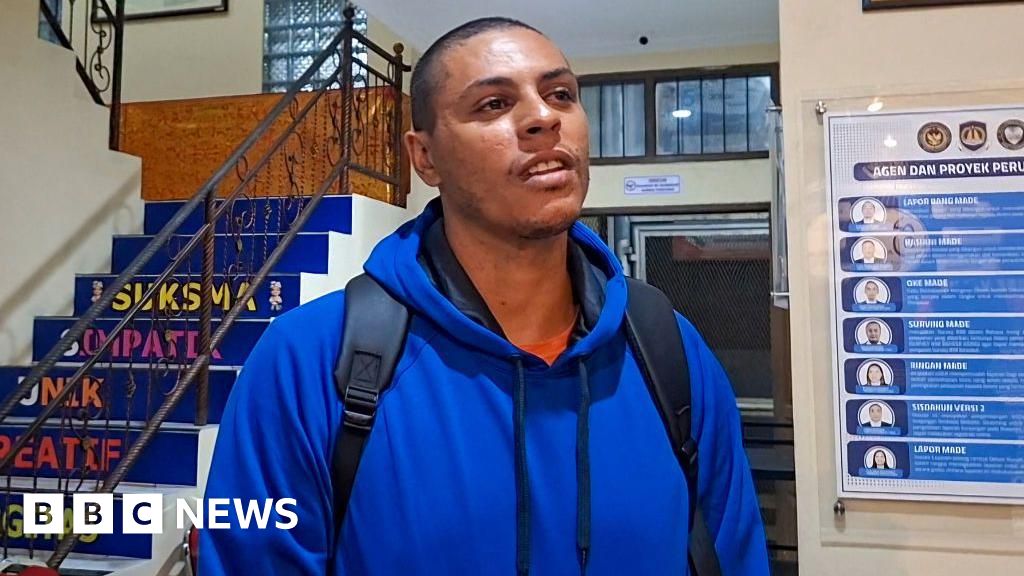
The 2014 "suitcase murder" in Bali marked a grim milestone in Indonesia's handling of foreign-involved crimes. American Tommy Schaefer, then 32, was convicted of murdering his girlfriend, 20-year-old fellow U.S. citizen Lindsey Schaefer (no relation), during a vacation. Prosecutors alleged Schaefer strangled her in a fit of rage, stuffed her body into a suitcase, and attempted to flee. Discovered by hotel staff on July 30, 2014, the case shocked Bali's tourism-dependent economy, evoking memories of the 2002 Bali bombings.
Schaefer pleaded guilty but claimed diminished capacity due to alcohol and drugs, receiving an 11-year sentence in 2015—lenient by Indonesian standards, where premeditated murder can warrant death. He served time in Kerobokan Prison, notorious for its harsh conditions and foreign inmate population (over 20% in Bali facilities). Released on parole in early 2025 after good behavior credits, Schaefer faced immediate deportation on February 25, 2026, as confirmed by Bali immigration authorities. U.S. prosecutors now pursue charges stateside, highlighting bilateral legal tensions.
Media coverage was relentless: BBC and AP News framed it as a cautionary tale for tourists, while Fox News emphasized Schaefer's American roots and impending U.S. trial. Indonesian outlets like Antara News celebrated the deportation as justice served, amplifying national pride in law enforcement. Social media erupted, with #SuitcaseMurder trending in Indonesia (100K+ mentions), blending outrage with memes critiquing "entitled foreigners." Legally, the case spurred Bali's 2016 tourism safety protocols, including enhanced hotel patrols, but exposed gaps in cross-border jurisdiction—policy ripples still felt amid rising expatriate crimes.
Drug Smuggling: A Growing Concern
Bali's sun-soaked beaches mask a burgeoning drug trade, with smuggling cases exploding amid post-pandemic tourism recovery. In 2025, Polri reported 1,247 drug arrests in Bali alone, a 40% increase from 2024, seizing 450 kg of narcotics valued at $50 million street price (UNODC Southeast Asia Report 2025). Cocaine, rare pre-2020, now constitutes 15% of seizures, trafficked via Australia-bound routes exploiting Bali's Ngurah Rai Airport.
Recent arrests profile a diverse international syndicate: In December 2025, Bali police nabbed British national Jack Parsons with 1.4 kg of cocaine hidden in luggage (Antara News), followed by two unnamed Brits jailed for 12 years each in January 2026 for smuggling via body-packs (Channel News Asia). A Russian tourist faced trial in Denpasar for cultivating 200 marijuana plants in a rented villa, netting a potential 15-year term. These cases imply sophisticated networks: Parsons linked to UK cartels, per Interpol, while the Brits used "mules" from budget flights.
Implications are profound—Indonesia's zero-tolerance stance (death penalty for 5+ kg) deters but strains prisons (45,000 drug inmates, 30% foreign). Policy-wise, it pressures ASEAN drug pacts, yet enforcement lags: only 60% of Bali arrivals screened (2025 audit). Globalization funnels cheap synthetics from Golden Triangle producers, intertwining local corruption with foreign demand.
Historical Context: Crime and Punishment in Indonesia
Indonesia's crime evolution mirrors its post-colonial journey from Dutch-era adat (customary) laws to a hybrid Islamic-secular penal code. The 2002 Bali bombings (202 dead) catalyzed the 2003 Anti-Terrorism Law, but drug offenses hardened post-2010 amid meth epidemics.
Key timeline:
- July 30, 2014: Suitcase murder discovery in Bali; Tommy Schaefer arrested, convicted 2015.
- 2016-2020: Drug laws tighten; Narcotics Law No. 35/2009 amended for life sentences minimum, executions resume (e.g., 2016 Australians Andrew Chan, Myuran Sukumaran).
- 2023: Bali drug busts surge 25% post-COVID tourism rebound.
- December 2025: British cocaine arrests (1.4 kg, two Brits jailed).
- Early 2025: Schaefer paroled.
- January 28, 2026: Indonesian court jails Malaysian for smuggling 2 kg methamphetamine.
- February 25, 2026: Bali deports Schaefer, closing suitcase case.
Since 2026, laws evolved via Presidential Regulation 12/2026, mandating digital tracking for high-risk flights and ASEAN extradition pacts. Past cases like suitcase and drugs connect to trends: foreign involvement rose from 8% (2015) to 22% (2025) of Bali convictions, shaping stricter visa scrutiny and reflecting societal shift from restorative justice to punitive deterrence.
Cultural Factors Influencing Crime
Indonesia's 1,300+ ethnic groups infuse crime with cultural nuances. Bali's Hindu-Buddhist ethos emphasizes harmony (tri hita karana), fostering community vigilance against outsiders, yet silences domestic violence—reporting lags 40% (Komnas Perempuan 2025). Nationally, gotong royong (mutual aid) curbs petty crime but enables corruption (Indonesia ranks 110/180 on CPI 2025).
Comparatively, Thailand's Buddhist tolerance yields softer drug enforcement (medical cannabis legalized 2022), with Bali-like tourist crimes at 18% lower rates. Vietnam's Confucian hierarchy drives brutal trafficking crackdowns (1,000 executions since 2010), while Indonesia's Pancasila pluralism balances sharia in Aceh with secularism elsewhere. Local culture shapes patterns: Javanese kraton intrigue inspires elite graft, but globalization erodes taboos, spiking youth drug use (15-24 age group: 2.4% prevalence, NAA 2025).
International Relations and Crime: The Global Perspective
Globalization exports crime, with Indonesia leveraging UN conventions like the 1988 Drug Trafficking Accord. International laws bolster enforcement—e.g., U.S.-Indonesia MLAT facilitated Schaefer's data sharing—but jurisdictional frictions persist.
Case studies abound: Schaefer's deportation invoked bilateral pacts, averting U.S. extradition amid death penalty opposition. Brits' arrests prompted UK travel warnings, straining tourism ties (UK visitors down 10%). Russian marijuana case highlights post-Ukraine war migration risks. Foreign nationals comprise 25% of Bali drug convicts (Polri), prompting 2026 ASEAN task forces. Policy implication: Enhanced Interpol cooperation could cut smuggling 30%, per RAND models, but sovereignty concerns slow progress.
Future Trends: Predicting the Evolution of Crime in Indonesia
Indonesia's crime trajectory hinges on globalization's accelerant: tourism projected at 8 million Bali visitors by 2030 (WTTC). Drug laws may soften—rumors of 2027 decriminalization for <1g personal use, mirroring Philippines' pivot—potentially slashing prison overcrowding (150% capacity) but risking use spikes (20-30%, historical precedents).
Predictive patterns: Cyberfraud rises 50% with digital nomads (1M+ by 2028), human trafficking via sea routes up 25% amid climate migration. International cooperation intensifies via Quad+ pacts, targeting China-linked meth. Tourism boom forecasts 35% drug case growth, offset by AI screenings (pilot success: 15% detection boost). Policy forecast: Hybrid frameworks blending adat reconciliation for locals with global extraditions for foreigners, curbing impunity.
Conclusion: Navigating the Future of Crime and Law in Indonesia
Indonesia's crime shadows reveal a tapestry of local traditions clashing with global currents: from suitcase horrors to cocaine hauls, evolving laws since 2026 signal adaptation. Key findings—rising foreign involvement, tourism-crime nexus, cultural buffers—underscore policy needs for balanced enforcement. A nuanced view recognizes globalization's inevitability, urging investments in intelligence-sharing and community resilience. As Bali deports its past ghosts, Indonesia must forge ahead, lest unchecked trends eclipse its archipelago allure.
What This Means
As Indonesia continues to navigate the complexities of crime influenced by globalization and tourism, it is essential for policymakers to adopt a multifaceted approach that balances enforcement with community engagement. Strengthening international cooperation, enhancing airport security, and fostering local resilience will be crucial in addressing the challenges posed by rising crime rates, particularly in tourist hotspots.
*(Word count: 2,012)