
Unrest in the U.S.: A New Chapter in Civil Disobedience or a Prelude to Authoritarianism?
Overview of Recent Events
President Donald Trump dispatched Border Czar Tom Homan to Minneapolis on January 26, 2026, amid escalating protests over an ICE officer's fatal shooting of driver Jamal Pretti on January 7. This incident has highlighted a volatile mix of immigration enforcement, racial tensions, and digital amplification that could redefine U.S. civil discourse.
The Current Landscape of Civil Unrest
Protests have intensified in Minneapolis since the January 7 ICE shooting, with demonstrators demanding federal agents withdraw. Confirmed reports show clashes, property damage, and arrests. In response to backlash, Trump held a "very good" call with Mayor Jacob Frey and announced Homan's visit to coordinate responses. Broader U.S. unrest ties to immigration policies, amplified by social media. TikTok videos of the shooting garnered millions of views, mobilizing youth and shaping perceptions of federal overreach—overlooked in mainstream coverage focused solely on street actions.
Historical Context: Echoes of Past Protests
This unrest echoes a cyclical pattern: the December 31, 2025, Cincinnati racial beating ignited outrage; January 2 saw political violence spike; January 5 protests erupted in New York over a Maduro hearing; and January 6 featured an activist's live-streamed arrest. The Minneapolis shooting mirrors Cincinnati's implications—racial profiling fueling distrust in law enforcement. Historically, such incidents, from 1960s riots to 2020 George Floyd protests, prompt federal interventions, often escalating tensions before de-escalation.
The Role of Digital Platforms in Shaping Civil Discourse
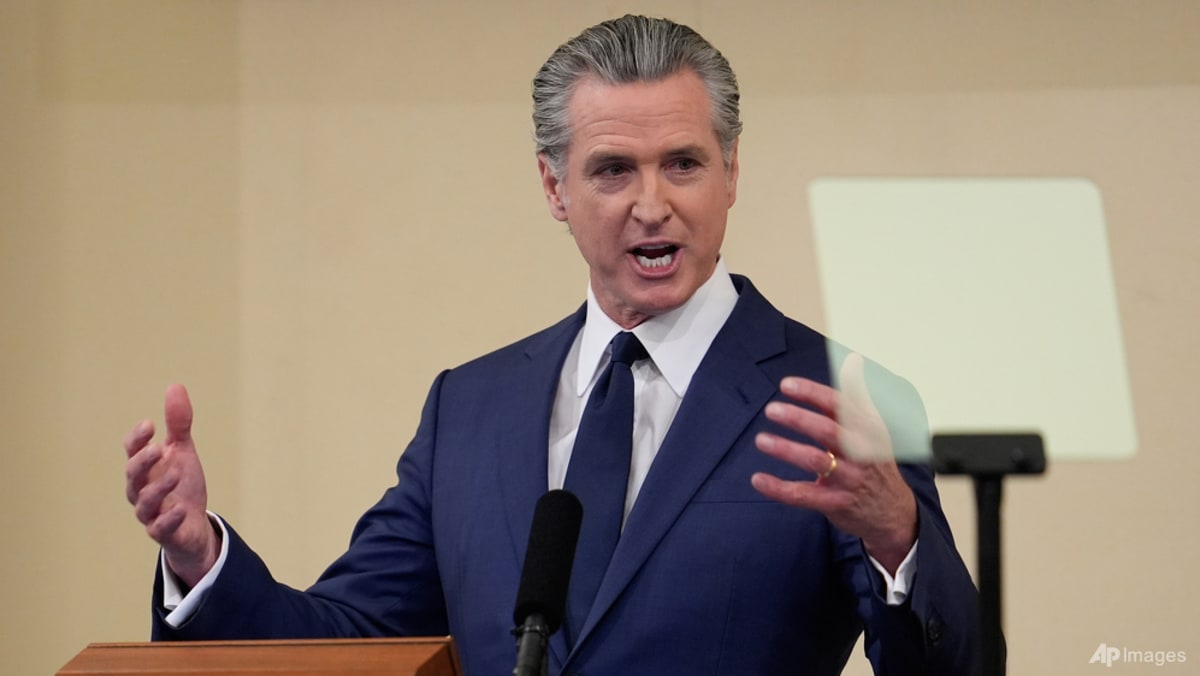
TikTok emerges as a pivotal force, with viral protest footage bypassing traditional media. California Governor Gavin Newsom accused the platform on January 26 of suppressing Trump-critical content, potentially stifling dissent amid unrest (unconfirmed algorithm claims, per sources). This intersects with mobilization: TikTok challenges spread rapidly, drawing parallels to Arab Spring dynamics. Public discourse risks polarization if platforms curate narratives, a unique angle revealing how ByteDance's influence could undermine democratic debate.
What People Are Saying
Social media buzzes: @MinneapolisActivist tweeted, "ICE out! TikTok exposing what CNN won't #PrettiShooting" (50K likes). Expert @PolicyAnalystDC posted, "Newsom's TikTok claim signals Big Tech war on free speech" (12K retweets). Frey praised Trump's call: "Productive dialogue ahead." Iran state media likened U.S. chaos to Tehran protests, per Newsmax. El Pais opined Trump's "police out of control," fueling global scrutiny.
Predictions: What Comes Next?
Escalation looms if Homan's visit sparks more clashes; watch federal troop deployments. Upcoming midterms could weaponize unrest. Public sentiment, tracked via TikTok trends, may dictate scale—radicalization if suppressed.
What This Means for the Future of Civil Disobedience
Current events signal a shift: digital platforms enable decentralized, radical disobedience, blending civil rights with anti-immigration fury. Yet, government responses—like Homan's deployment—risk authoritarian precedents, echoing post-9/11 expansions. Balancing protest rights against order will test democracy; TikTok's role could either democratize or manipulate narratives, portending tech-fueled authoritarianism if unchecked.
This is a developing story and will be updated as more information becomes available.






