Unrest in Iran: The Evolving Strategies of Protest Amidst Rising Fatalities

Latest from X
Unrest in Iran: The Evolving Strategies of Protest Amidst Rising Fatalities
Current Unrest: A Tactical Evolution
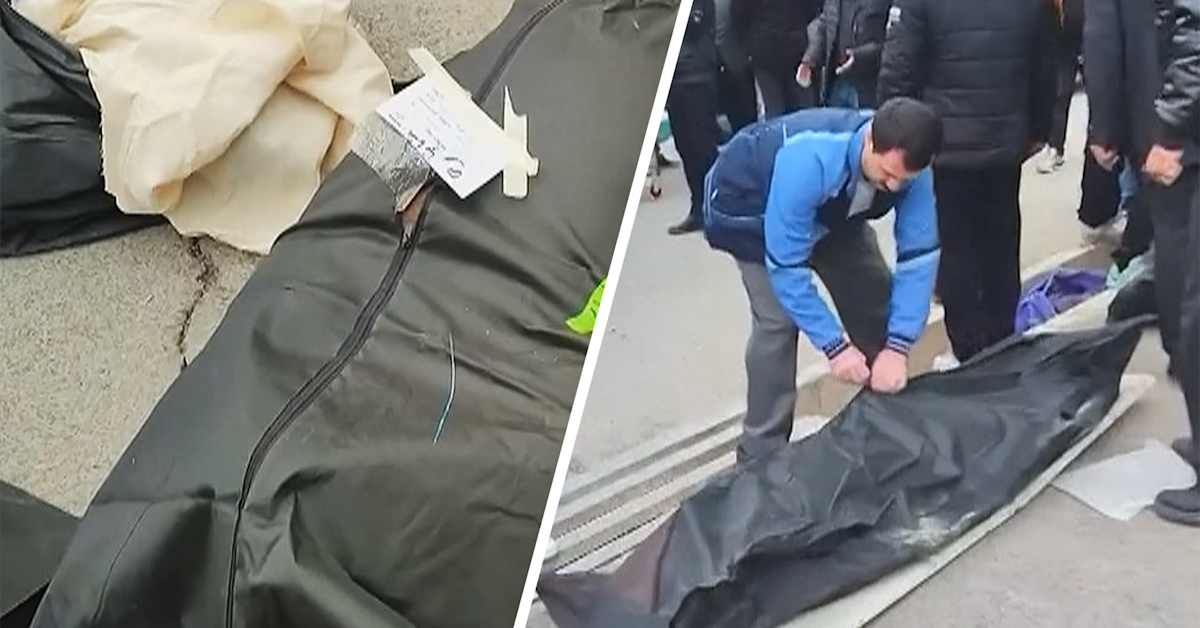
In Tehran, graphic videos have emerged showing dozens of body bags lining the streets, a stark testament to the escalating violence as protests enter their second week. Official reports confirm hundreds of fatalities since demonstrations erupted on January 1, 2026, against Supreme Leader Ali Khamenei, with security forces deploying live ammunition and imposing communications blackouts. What began as spontaneous gatherings over economic woes has evolved into organized tactics: protesters are now targeting regime institutions, including government buildings and symbols of authority, marking a strategic shift from peaceful marches to direct confrontation. This evolution, urged by exiled Crown Prince Reza Pahlavi in recent posts on X, reflects a "new phase" aimed at crippling the regime's repressive apparatus amid intensified crackdowns.
Historical Echoes: Protests Through Time
The current unrest mirrors Iran's history of dissent, rapidly escalating per a clear timeline: protests ignited on January 1 against Khamenei; by January 2, foreign support emerged; January 4 saw 16 deaths in crackdowns; January 7 featured protesters renaming a Tehran street for U.S. President-elect Trump; and by January 9, nationwide growth ensued. This echoes the 2009 Green Movement, sparked by disputed elections, where initial peaceful rallies faced brutal suppression, fostering tactics like social media coordination. The 2019 fuel price protests similarly turned deadly, with over 1,500 killed, teaching demonstrators to decentralize and sustain momentum despite internet shutdowns. Today's protesters draw on these precedents, adapting by focusing on institutional targets to exploit regime fractures, while Tehran repeats familiar responses: mass arrests and force.
International Reactions: Blame and Support
Iran's government frames the unrest as foreign orchestration, blaming the U.S. and Israel for instigating chaos to justify intervention—Foreign Minister Abbas Araghchi claimed protests turned "bloody" to give Trump a pretext, labeling them a "terrorist war." Tehran insists demonstrations are "under control" while warning of retaliation against attacks. Reza Pahlavi, son of the ousted shah, has emerged as a polarizing rallying figure, posting on X to praise Tehran's "courageous" actions, urge targeting Khamenei's apparatus, and call for global support, including from Trump. Though divisive domestically, his appeals amplify protests internationally, with Israel closely monitoring events.
Forecasting the Future: What Lies Ahead?
Historical patterns suggest two paths: a policy concession to defuse tensions, as in minor 2019 reforms, or heightened repression mirroring 2009's Black Friday massacre. With fatalities mounting and tactics evolving, violence could surge if protesters sustain institutional assaults. International intervention remains unlikely—past U.S. responses favored sanctions over military action—but vocal support from figures like Pahlavi and Trump could embolden demonstrators. Watch for regime infighting or blackouts expanding; a tipping point may force concessions or collapse.
(Word count: 598)
This is a developing story.
Track this story live
Original Sources
- •
- •
- •
- •
- •
- •
- •
- •
- •
- •
Editorial process: This article was synthesized from the original sources cited above using The World Now's AI editorial system, with byline accountability from our editorial team. We grade every story for source grounding, factual coherence, and on-topic match before publication. Read more about our editorial standards and contributors. Spot something inaccurate? Let us know.
Last updated: January 17, 2026






