Unraveling the Impact of Extreme Winter Weather: A New Era of Preparedness in the U.S.

Latest from X
Unraveling the Impact of Extreme Winter Weather: A New Era of Preparedness in the U.S.
Overview of Recent Events
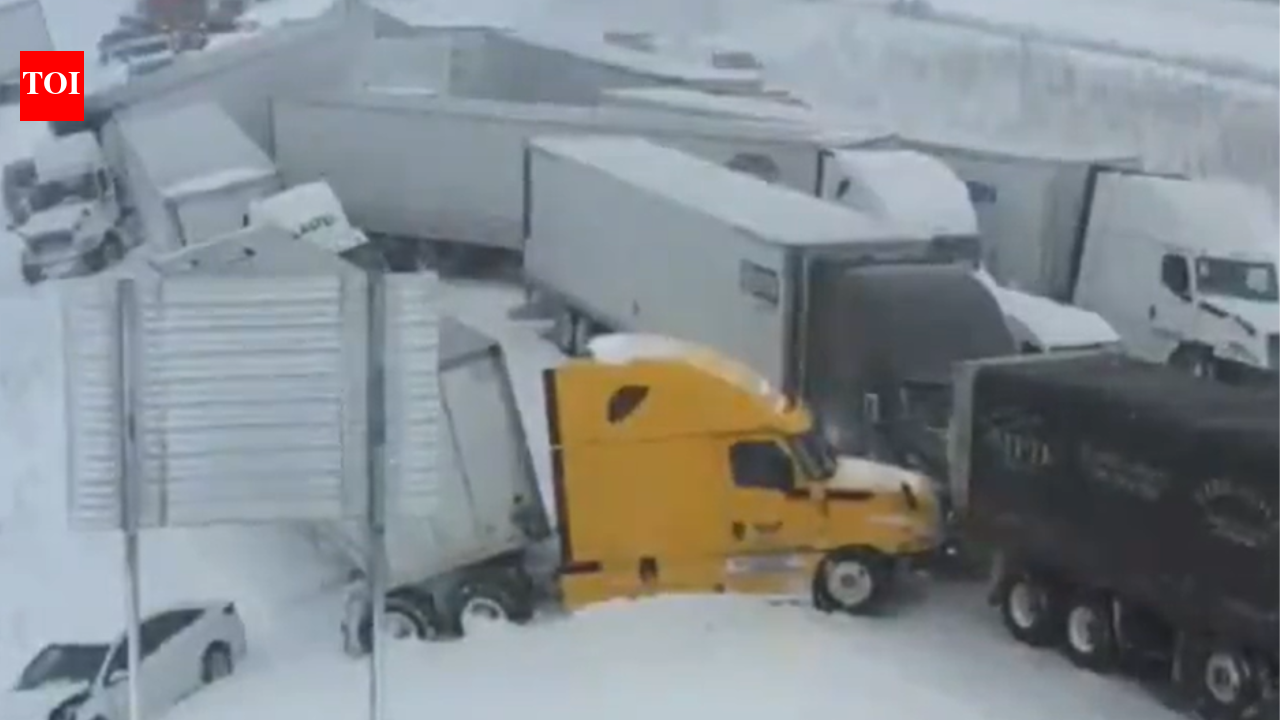
A massive 100-vehicle pile-up occurred on a Michigan highway on January 19, 2026, during a severe snowstorm, stranding motorists and injuring several individuals in whiteout conditions. Drone footage captured the chaotic scene, showcasing vehicles bumper-to-bumper across both lanes, while first responders struggled to navigate the gridlock using snowmobiles and drones for assessment. Local authorities, including Michigan State Police and emergency services in Emmet and Chippewa counties, issued immediate road closures and initiated rescue operations. Under active Winter Storm Warnings from the National Weather Service, teams prioritized extricating the injured and providing aid, with no fatalities confirmed as of January 20. Posts on social media platforms highlighted the peril, with users sharing drone clips and urging drivers to stay off the roads, reflecting widespread public concern.
Historical Context of Severe Weather in the U.S.
This incident is part of a volatile weather pattern observed in January 2026, following multiple Severe Thunderstorm Warnings and Flood Alerts on January 9 across several regions—events that are unseasonal for winter and signal erratic climate shifts. Historically, U.S. severe weather has evolved from isolated blizzards, such as the 1978 Great Blizzard, to compounded crises, like the 2021 Texas freeze that exposed vulnerabilities in the power grid. These precedents have refined emergency response protocols: post-1993 Storm of the Century, FEMA enhanced coordination; after 2014's Polar Vortex, states mandated improved salting and plowing practices. The Michigan pile-up connects these historical dots, underscoring how early-2026 thunderstorms and floods presaged intensified winter extremes, driving updates to emergency protocols, including advanced radar integration.
Community Preparedness: Adapting to New Norms
In the wake of the pile-up, communities nationwide are reshaping their strategies to emphasize proactive resilience. Localities in Michigan have ramped up snow emergency declarations and drone surveillance for real-time monitoring, while states like New York, under Oswego's Winter Storm Warning, are deploying AI-driven traffic rerouting applications. Innovative approaches include Colorado's fortified infrastructure in fire-prone Teller County, adaptable for snow, and plow-sharing networks in Appalachia amid Extreme Cold Warnings. Local governments are investing in community drills and distributing “go-kits” to foster self-reliance. Social media reactions have praised first responders' ingenuity but criticized delayed warnings, spurring demands for hyper-local alerts.
What This Means for the Future
Climate projections indicate that the U.S. will experience more frequent and severe winter events, intensified by warming atmospheres that hold extra moisture. This heralds a new era of weather preparedness: expect increased federal funding, similar to the post-Hurricane Katrina boosts, targeting resilient infrastructure, smart grids, and early-warning AI systems. Innovations such as heated overpasses and electric vehicle (EV) charging snow shelters could emerge as communities grapple with fiscal strains. Stakeholders, from insurers to policymakers, must prioritize equity, ensuring that rural areas like Michigan are not sidelined in these developments. As weather patterns evolve, preparedness will be the defining factor in ensuring public safety.
*This is a developing story. Word count: 600.
Track this story live
Live World Map
Monitor global events in real time with a live activity map and hotspot summaries.
Global Disaster Tracker
View earthquakes, volcanoes, floods, weather, and wildfire clusters in one place.
Hurricane Tracker
Live hurricane and tropical storm tracking with storm paths, categories, and alerts.
Tornado Tracker
Track active tornado warnings, watches, and severe weather alerts across the United States.
Original Sources
- •
- •
- •Winter Storm Warning: Emmet— nws-alerts
- •Winter Storm Warning: Western Chippewa— nws-alerts
- •
- •Fire Weather Watch: Logan County— nws-alerts
- •Extreme Cold Warning: Eastern Tucker— nws-alerts
- •Extreme Cold Warning: Northwest Pocahontas— nws-alerts
- •Extreme Cold Warning: Southeast Webster— nws-alerts
- •Winter Storm Warning: Oswego— nws-alerts
Editorial process: This article was synthesized from the original sources cited above using The World Now's AI editorial system, with byline accountability from our editorial team. We grade every story for source grounding, factual coherence, and on-topic match before publication. Read more about our editorial standards and contributors. Spot something inaccurate? Let us know.
Last updated: February 22, 2026