
Unraveling the Current Civil Unrest in Pakistan: A Catalyst for Change or Chaos?
By Elena Vasquez, Global Affairs Correspondent for The World Now
March 1, 2026
Civil unrest in Pakistan has often been dismissed as cyclical chaos, but history suggests it can serve as a pivotal catalyst for political reform. From the lawyers' movement that eroded military rule in 2007-2008 to the mass protests that pressured Zulfikar Ali Bhutto's ouster in the 1970s, waves of public dissent have repeatedly reshaped governance and societal structures. Today's escalating protests—fueled by economic despair, ethnic frictions, and political repression—echo these patterns. Could this be the spark for a "New Pakistan," as Pashtun leader Mahmood Achakzai recently urged, or will it descend into deeper instability? This report examines the unrest through a reform lens, drawing parallels to past upheavals while analyzing triggers, global comparisons, and future trajectories.
Current Situation Overview
Pakistan is grappling with widespread protests that have intensified over the past week, blending anti-government fury with regional grievances. A flashpoint occurred on February 28, 2026, when hundreds stormed the U.S. Consulate in Karachi, hurling stones and attempting to breach barriers in a violent outburst linked to the reported death of Iran's Supreme Leader Ayatollah Ali Khamenei. Video footage, widely shared on social media platform X (formerly Twitter), showed protesters chanting anti-U.S. and anti-Israel slogans, with several injuries reported among demonstrators and security forces. The Times of India captured the chaos in a viral video, noting the crowd's accusations of American involvement in Khamenei's demise, amid broader regional tensions from the Israel-Iran shadow war.
These events coincide with pro-Imran Khan demonstrations, reignited by the sentencing of journalists and PTI (Pakistan Tehreek-e-Insaf) supporters on January 2, 2026, for their role in earlier rallies. Khan's ouster in 2022 and subsequent crackdowns have kept his base mobilized, with recent protests decrying media censorship and judicial overreach.
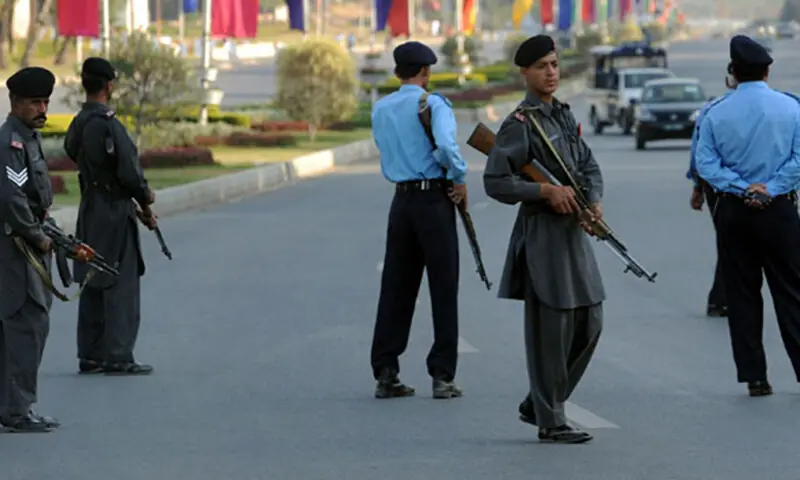
The government's response has been swift and security-focused. On February 28, Islamabad police personnel on leave were ordered to report for duty immediately, citing a deteriorating security situation, as reported by Dawn. Paramilitary Rangers and Frontier Corps have been deployed in Karachi and Khyber Pakhtunkhwa (KP), with internet throttling in hotspots to curb mobilization. Casualties remain low—dozens injured, no fatalities confirmed—but arrests number in the hundreds. Economic stagnation exacerbates the volatility: inflation hovers at 28%, unemployment at 12%, and power outages plague cities, turning bread-and-butter issues into rallying cries.
Social media amplifies the unrest. A post by PTI spokesperson Sheikh Waqas Akram on X garnered 150,000 views: "From consulate storms to street blockades, the people's roar against tyranny grows louder. #ReleaseKhan #NewPakistan." Viral clips from Karachi show diverse crowds—Pashtuns, Sindhis, and urban youth—uniting under anti-establishment banners.
Historical Patterns of Civil Unrest in Pakistan
Pakistan's history is rife with protests that have catalyzed governance shifts, offering a blueprint for today's turmoil. The 1951 Rawalpindi Conspiracy and 1968-69 anti-Ayub Khan movement forced military retreats and constitutional tweaks. The 1977 PNA protests toppled Bhutto, paving Zia's Islamization. Most strikingly, the 2007 lawyers' movement—sparked by Musharraf's dismissal of Chief Justice Iftikhar Chaudhry—snowballed into his 2008 resignation, restoring civilian rule and amplifying judicial independence.
Recent timeline events mirror this arc:
- January 2, 2026: Courts sentence journalists and police officers for pro-Khan protests, echoing 2014 PTI sit-ins that pressured electoral reforms.
- January 10, 2026: Protests erupt in Sindh after a Hindu man's killing, highlighting minority vulnerabilities akin to 1980s ethnic riots.
- January 19, 2026: Mahmood Achakzai calls for a democratic "New Pakistan" in parliament, evoking Benazir Bhutto's 1980s MRD movement against Zia.
- January 26, 2026: PTI blockade at Karachi Press Club protests media curbs, paralleling 2007 bar association defiance.
These echo patterns where initial repression (e.g., journalist sentencings) galvanizes broader coalitions, shifting from elite grievances to mass mobilization. Unlike past cycles contained by concessions, current unrest spans ethnic lines, suggesting deeper systemic pressure.
The Role of Societal Issues in Unrest
Beneath political flashpoints lie entrenched societal fractures. Ethnic tensions simmer in KP, where an intensified crackdown on illegal Afghans—deporting over 500 since late January, per Dawn—has inflamed Pashtun nationalism. Authorities cite security post-Taliban Afghanistan, but locals decry it as discriminatory, fueling Achakzai's Pakhtunkhwa Milli Awami Party (PMAP) rallies. X posts from KP activist @PashtunTahaffuz show displaced families: "Deporting Afghans while ignoring our poverty? This is Pashtun genocide by proxy. #EndCrackdown."
Socio-economic woes provide the tinder. Youth unemployment exceeds 20% in urban centers, inflation erodes purchasing power (food prices up 40%), and remittances falter amid global slowdowns. Karachi's consulate storming blended anti-Western ire with jobless frustration—protesters included laid-off dockworkers. These factors humanize the unrest: not just PTI diehards, but families squeezed by IMF-mandated austerity.
Comparative Analysis: Unrest in Pakistan vs. Global Trends
Pakistan's protests mirror global "hybrid" movements—blending digital activism, economic populism, and identity politics—but diverge in military dominance. Bangladesh's 2024 student uprising toppled Sheikh Hasina via sheer numbers and army neutrality, yielding quota reforms and elections; Pakistan's brass remains interventionist. Sri Lanka's 2022 "Gota Go Gama" forced Rajapaksa's exit amid debt crisis, birthing technocratic governance—parallels to Pakistan's inflation protests abound, yet Islamabad lacks Colombo's unified opposition.
Arab Spring cases diverge: Tunisia's 2011 revolt birthed democracy; Egypt's regressed to autocracy. Pakistan tilts toward Tunisia if protests institutionalize (e.g., via Achakzai's cross-party alliance), but risks Egypt-style crackdown. Globally, social media accelerates escalation—Pakistan's X trends like #KarachiBurns echo Hong Kong 2019—but state controls blunt momentum.
Implications for Pakistan's Political Landscape
This unrest threatens hybrid regime stability, where civilians front military power. Short-term, it erodes PML-N legitimacy, boosting PTI and PMAP. Achakzai's "New Pakistan"—federalist, democratic—resonates amid ethnic alienation, potentially fracturing coalitions.
Optimistically, it catalyzes reform: judicial pushback on sentencings, election audits, or Afghan policy reversals. Pessimistically, escalation invites emergency rule, as in 2007. Human impact is stark—displaced Afghans, jailed journalists' families—underscoring unrest's reform potential if channeled institutionally.
Looking Ahead: Predictions and Possible Scenarios
Short-term (next 1-2 months): Protests de-escalate via concessions like journalist releases or KP dialogues (60% likelihood), or escalate with urban clashes if police overreach (40%). Army mediation looms if violence spikes.
Long-term scenarios:
- Reform Catalyst (30% chance): Sustained pressure yields "New Pakistan" accords—electoral reforms, ethnic quotas—mirroring 2008 Restoration of Judiciary.
- Crackdown Stasis (50%): Martial law-lite suppresses unrest, delaying polls but breeding insurgency.
- Regime Collapse (20%): Unified opposition topples coalition, risking chaos like 1971 East Pakistan.
Watch for PTI-Achakzai alliances, U.S. Consulate fallout (diplomatic chill), and IMF tranche approvals. Social media will signal tipping points—monitor #NewPakistan for momentum.
Sustained unrest could forge lasting change, but only if Pakistan breaks authoritarian reflexes. History beckons toward transformation, not turmoil.
(Word count: 1,512)






