Unraveling the Ceasefire: Tensions Escalate Amidst Humanitarian Crisis in Gaza
Overview of Current Events
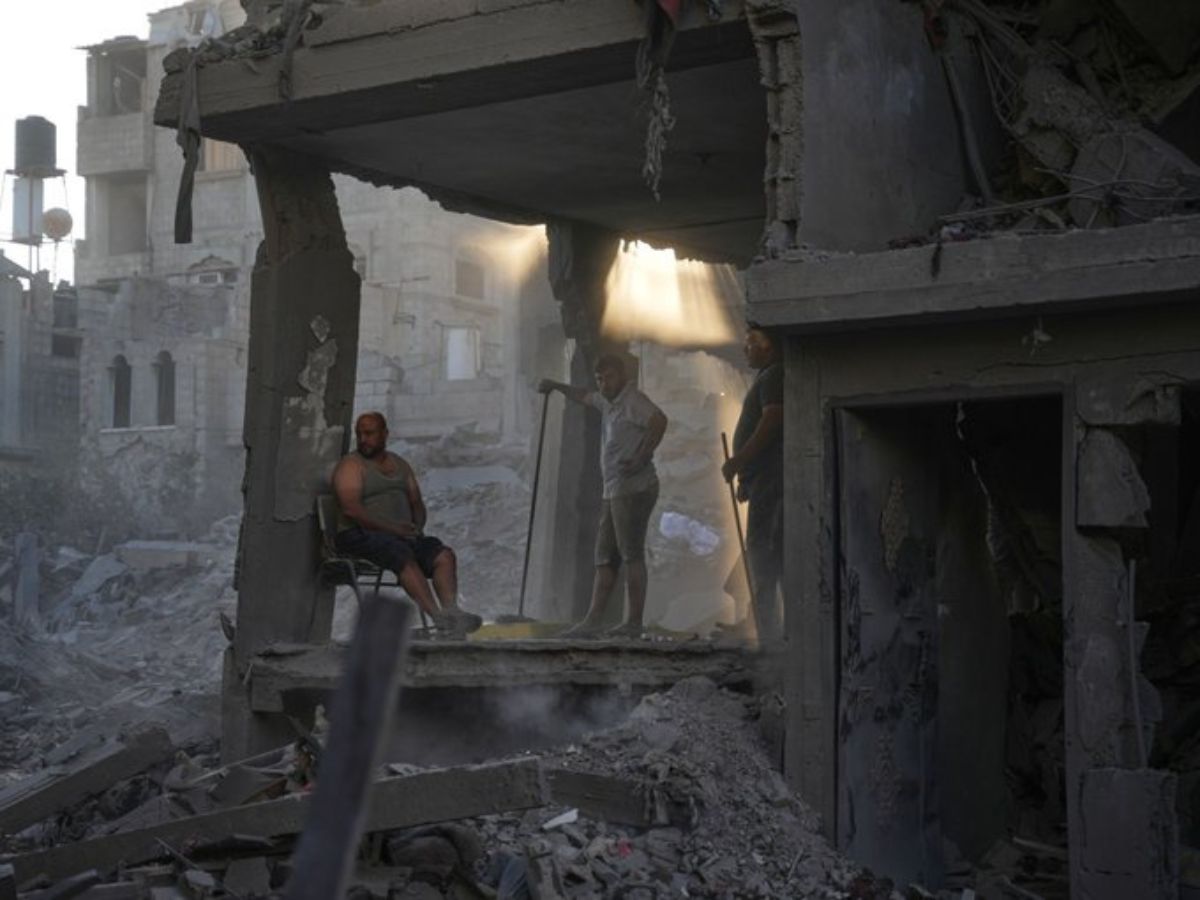
Israeli military operations in the West Bank and deadly incidents in Gaza signal deepening cracks in a fragile ceasefire, exacerbating a humanitarian crisis that has gripped the region since early 2026. These violations, occurring amid Hamas's unprecedented disarmament process, threaten to unwind hard-won de-escalation efforts and intensify suffering on the ground.
Recent Developments
Israeli forces conducted a raid in Qalandiya, a refugee camp north of Jerusalem in the occupied West Bank, on January 27, 2026, closing major roads and sparking clashes, according to Anadolu Agency reports. Eyewitnesses described armored vehicles and helicopter overflights, with local Palestinians reporting detentions and home searches. Concurrently, in Gaza, Israeli fire killed two Palestinians and injured a child despite an active ceasefire, Anadolu Agency confirmed. These incidents follow a pattern of low-level violence, including settler attacks and military incursions, testing the ceasefire's limits. Confirmed: Raids and road closures in Qalandiya; two deaths and one injury in Gaza. Unconfirmed: Reports of additional arrests or the precise trigger for Gaza gunfire.
Historical Context of Ceasefire and Disarmament
The current flare-ups connect directly to the humanitarian crisis that intensified on January 15, 2026, when aid blockages and infrastructure collapse in Gaza left over 2 million residents facing acute food insecurity and medical shortages, per UN data. This evolved from the 2023-2025 war cycles but marked a new phase of protracted siege. On January 27, 2026—the same day as the Qalandiya raid—Hamas announced disarmament in Gaza, tied to a U.S.-brokered 'amnesty' for fighters, as stated by a senior U.S. official in Al Jazeera. This historic concession, unprecedented since Hamas's 2007 takeover, aimed to pave the way for Palestinian Authority governance. Yet, it mirrors past ceasefires—like those in 2014 and 2021—that collapsed amid mutual distrust, highlighting the cyclical violence where disarmament promises clash with ongoing operations.
Analysis of Ground Realities and Humanitarian Impact
These violations underscore unexpected dynamics in Hamas disarmament: while amnesty eases political pressures, it exposes Gaza to unchecked Israeli actions, worsening ground realities. In Gaza, the January 15 crisis has left 90% of residents displaced, with hospitals overwhelmed and famine risks rising (IPC reports). West Bank raids like Qalandiya displace families and fuel radicalization, straining PA-Israel security coordination. The human cost is stark: two confirmed deaths add to 2026's toll exceeding 1,200, per Palestinian health ministry figures. Local communities report despair—NGOs like Médecins Sans Frontières note surging trauma cases—while organizations decry aid impediments. Strategically, disarmament's success hinges on reciprocity; without it, Gaza's power vacuum invites chaos, impacting West Bank stability and regional proxies.
What People Are Saying
Social media amplifies outrage. X user @PalestinianVoice tweeted: "Ceasefire? Israeli tanks in Qalandiya, kids dying in Gaza—disarmament feels like surrender amid raids #GazaUnderFire" (12K likes). Activist @Lowkey0nline posted: "US amnesty for Hamas while IDF kills despite truce? Hypocrisy exposed" (8K retweets), linking to Al Jazeera. Israeli outlet @IDF shared: "Routine counter-terror op in Qalandiya targets threats," drawing rebuttals. UNRWA's Philippe Lazzarini stated: "Violence undermines humanitarian access—Gaza needs protection now."
Looking Ahead
Tensions will likely escalate without diplomatic intervention, such as U.S.-Qatar mediation. Failure in Hamas disarmament could spark a Gaza insurgency; success might stabilize aid flows. Monitor West Bank flashpoints and UN Security Council sessions for breakthroughs. The international community must prioritize humanitarian access to alleviate the suffering of millions in Gaza and the West Bank.
This is a developing story and will be updated as more information becomes available.