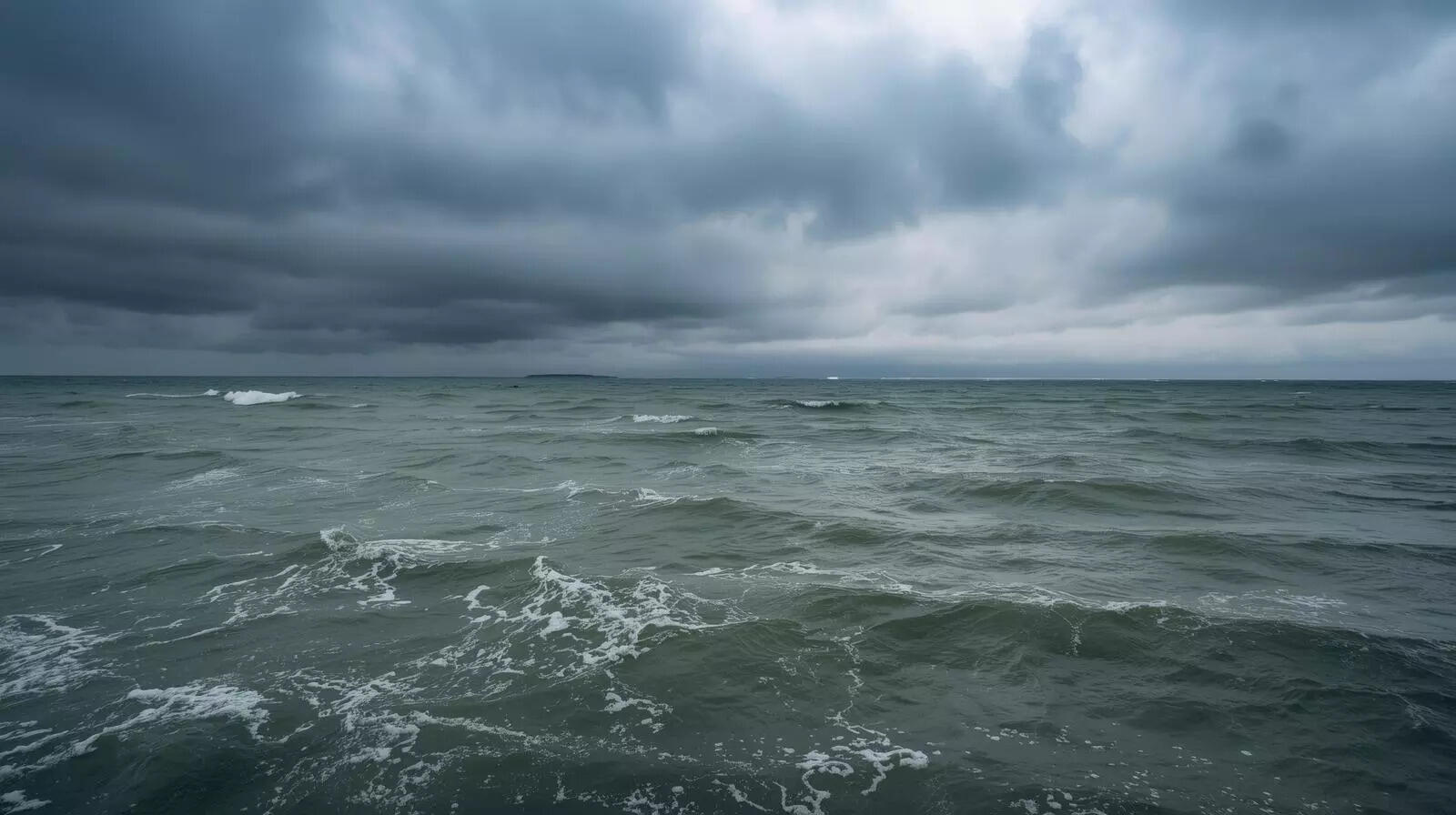

Unprecedented Failure of Ocean Upwelling Off Panama Raises Alarms for Global Marine Ecosystems
Panama City, Panama – For the first time in decades, a vital nutrient-rich upwelling cycle in the Pacific Ocean off Panama's coast has failed to materialize, triggering widespread environmental concerns about the health of marine systems worldwide. The event, observed between January and April 2025, has led to warmer surface waters, diminished phytoplankton populations, and increased heat stress on coral reefs, according to reports from marine scientists.
This disruption marks a significant departure from a long-established seasonal pattern that has sustained rich marine life in the region. Typically, during the early months of the year, trade winds drive deeper, nutrient-laden waters to the surface near Panama's Pacific shoreline, fueling a boom in phytoplankton—the foundation of the ocean food web. This process supports fisheries, marine biodiversity, and even global carbon sequestration. However, in 2025, the anticipated upwelling did not occur, resulting in stagnant, warmer waters that have stifled biological productivity.
The failure was first noted in scientific observations and reported on January 8, 2026, highlighting the medium-severity environmental impact. Warmer waters have reduced phytoplankton blooms, which in turn affects zooplankton, fish stocks, and higher trophic levels. Coral reefs in the area, already vulnerable to bleaching from rising global temperatures, are experiencing additional heat stress, exacerbating risks of widespread die-offs.
Panama's Pacific coast, particularly around the Gulf of Panama, relies heavily on this upwelling for its productive fisheries. The region supports commercial species like anchovies, sardines, and tuna, which form the backbone of local economies. A prolonged absence of upwelling could lead to cascading effects on fish populations, threatening food security and livelihoods for coastal communities. While immediate human health impacts from the event remain unconfirmed, disruptions to marine food chains could indirectly affect nutrition and economic stability in fishing-dependent areas.
Background on Ocean Upwelling and Its Global Importance
Ocean upwelling is a critical driver of marine productivity, occurring in eastern boundary currents around the world, including the California Current, Humboldt Current off Peru and Chile, Canary Current off northwest Africa, and Benguela Current off South Africa. These systems collectively account for about 50% of the world's fisheries landings despite covering less than 1% of the ocean surface, according to data from the Intergovernmental Oceanographic Commission and NOAA.
In Panama, the upwelling is tied to the northern extent of the Humboldt Current system, influenced by seasonal winds and the Intertropical Convergence Zone. Historical records, spanning decades of satellite and in-situ measurements, show this cycle as highly reliable, occurring predictably from January to April. Climate models and past observations link variations to large-scale phenomena like El Niño-Southern Oscillation (ENSO), but this year's complete absence is unprecedented in modern datasets.
The 2025 event coincides with broader patterns of ocean warming driven by anthropogenic climate change. Global sea surface temperatures have risen by approximately 0.88°C since pre-industrial times, per the IPCC's Sixth Assessment Report, weakening upwelling in some regions by reducing wind strength and altering ocean stratification. In Panama, surface waters during the failed upwelling period were notably warmer than historical averages, suppressing the mixing of nutrient-rich deep waters.
Scientists warn that if similar failures propagate to other upwelling zones, it could destabilize global marine ecosystems. Phytoplankton produce roughly half of Earth's oxygen and absorb about 25% of anthropogenic CO2 emissions. A decline here amplifies climate feedbacks, potentially accelerating ocean acidification and deoxygenation—"dead zones"—already expanding worldwide.
Implications and Ongoing Monitoring
While the full extent of the damage is still under assessment, Panamanian authorities and international researchers are ramping up monitoring efforts. Satellite data from NASA's MODIS and NOAA's GOES satellites, combined with buoy networks like those from the Panama Ocean Observing System, continue to track anomalies. Preliminary findings indicate persistent warm anomalies persisting into late 2025, with phytoplankton chlorophyll-a levels dropping by up to 40% in affected areas.
Environmental groups, including the Smithsonian Tropical Research Institute based in Panama, have called for enhanced protections for reefs and fisheries management adjustments. Globally, this event underscores vulnerabilities in blue carbon ecosystems and the need for adaptive strategies under the UN Framework Convention on Climate Change.
As investigations continue, the Panama upwelling failure serves as a stark indicator of shifting ocean dynamics. Marine experts emphasize that restoring reliability to these systems will require aggressive global emissions reductions alongside localized conservation. For now, the Pacific off Panama remains a watchful case study, with implications rippling far beyond its shores.
(Word count: 612)