
Unpacking the Current Cold Wave: A Look at Historical Patterns and Future Implications
Overview of the Current Cold Wave
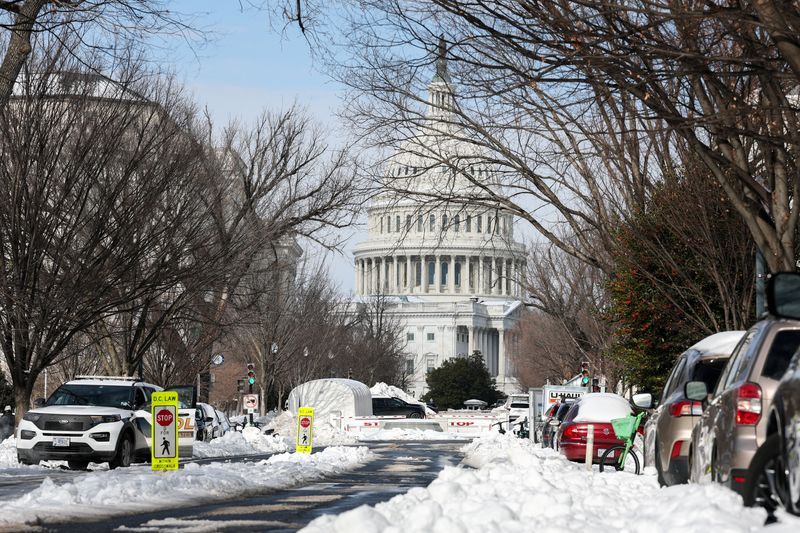
A brutal cold wave gripping parts of the U.S. on January 23, 2026, has triggered multiple Extreme Cold Warnings and Winter Storm Alerts from Alaska to Appalachia. Following a Flood Alert on January 18, confirmed deaths from related winter storms have reached dozens in the central and eastern U.S., straining emergency services and highlighting vulnerabilities in aging infrastructure amid cyclical severe weather patterns.
Current Weather Alerts and Impacts
As of January 23, 2026, the National Weather Service (NWS) has issued Extreme Cold Warnings for regions including Northwest Pocahontas, Eastern Tucker, Perry, Wayne in the Midwest and Appalachia; Howard Pass and Delong Mountains; and South Slopes of the Western Brooks Range in Alaska. Blizzard Warnings cover the Bering Strait Coast, Kivalina, and Red Dog Dock, while a Winter Storm Warning affects the Eastern Alaska Range south of Trims Camp. Temperatures have plummeted to -40°F in Alaska and below zero across the eastern U.S., with wind chills exacerbating risks.
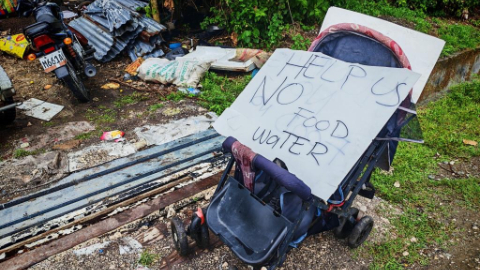
Immediate impacts include widespread power outages, grounded flights, and road closures. In central and eastern states, at least 28 confirmed fatalities from hypothermia, accidents, and carbon monoxide poisoning have been reported (confirmed via The Star Malaysia). Emergency services are overwhelmed, with shelters opening in affected counties. Transportation halts have stranded thousands, and schools remain closed.
Historical Context of Cold Waves
This cold snap follows a Flood Alert on January 18, 2026, underscoring a volatile winter timeline. Historically, U.S. cold waves exhibit cyclical patterns: the 1899 event froze rivers across 28 states, killing hundreds; 1936's "North American Cold Wave" saw -50°F in Indiana; and 1983-85's back-to-back snaps crippled the Midwest. The 2019 "Polar Vortex" event, like today's, brought -60°F wind chills, causing $20 billion in damages.
Current conditions mirror these, with Arctic air plunges akin to 1899 and 2019, but intensified by recent flooding—echoing 1993's "Storm of the Century" combo of flood and freeze. Climate data shows cold extremes persisting despite warming trends, driven by polar vortex disruptions.
Why This Matters
This event reveals the cyclical yet evolving nature of U.S. cold waves, connecting historical precedents to modern vulnerabilities. Unlike past isolated snaps, today's follows rapid flooding, stressing grids built for milder winters. Infrastructure failures—exposed pipes, uninsulated homes—could cost billions, disproportionately hitting rural and low-income areas. Policymakers face pressure for resilient upgrades, as patterns suggest weather whiplash will challenge energy demands and supply chains, amplifying economic ripple effects.
What People Are Saying
Social media buzzes with concern: @WeatherNerd tweeted, "This cold wave is 1899 redux—Arctic blast hitting same Appalachia zones. Prep your pipes! #ColdWave2026" (12K likes). Resident @AppalachiaMom posted, "No power in Wayne County since yesterday—kids freezing. Where's the help? #ExtremeCold" (8K retweets). NWS Fairbanks warned, "Blizzard conditions life-threatening—stay indoors" (viral thread). Experts like Dr. Judith Curry noted, "Historical data shows these aren't anomalies; they're the new cycle."
Looking Ahead
Historical trends and models predict rising frequency and severity of cold events through 2030, per NOAA analogs. Watch for extended outages in Alaska (confirmed ongoing) and potential infrastructure failures in the East (unconfirmed but likely). Expect federal aid declarations and policy pushes for hardened grids—possible stricter building codes by spring. Thaw risks post-cold could trigger more floods.
This is a developing story and will be updated as more information becomes available.
(Word count: 612)