UN Peacekeepers Report Israeli Gunfire Near Blue Line as Lebanon Condemns Strikes Undermining Ceasefire
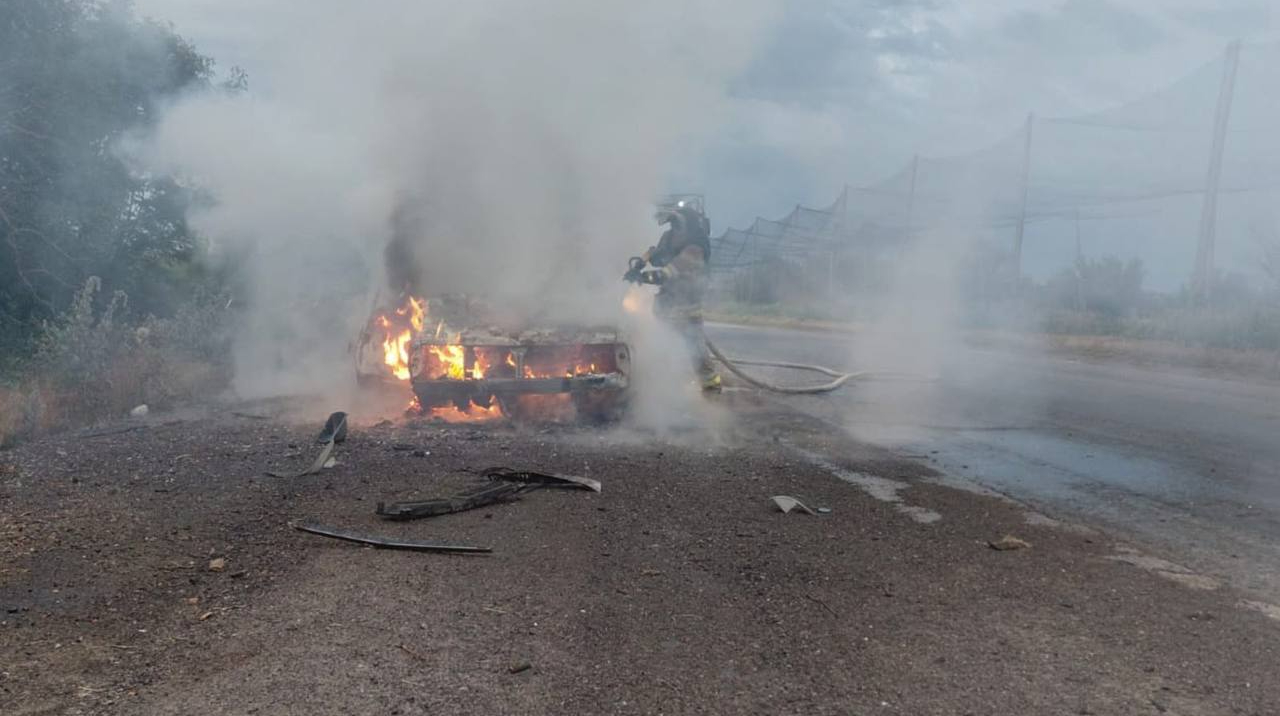
Beirut, Lebanon – United Nations peacekeepers in southern Lebanon reported incidents of Israeli gunfire near the Blue Line on January 2, 2026, signaling a high-severity escalation in border tensions. The event, which began around 9:12 p.m. GMT, underscores a troubling pattern of increasing violence along the de facto border, even as Lebanese President Joseph Aoun affirmed his army's precise implementation of government measures in the south while condemning recent Israeli strikes.
The Blue Line, a 120-kilometer demarcation established by the UN in 2000 following Israel's withdrawal from southern Lebanon, serves as the internationally recognized boundary between Israel and Lebanon. It has been a flashpoint for cross-border incidents, particularly amid the 14-month Israel-Hezbollah conflict that raged until a U.S.- and France-brokered ceasefire took effect on November 27, 2024. Under the ceasefire terms, Israeli forces were to withdraw south of the Blue Line, Hezbollah fighters north of the Litani River, and the Lebanese Armed Forces (LAF) were to deploy up to 10,000 troops in the south to prevent militant activity.
UN Interim Force in Lebanon (UNIFIL) peacekeepers, numbering around 10,000 troops from 50 nations, monitor compliance along the line. The January 2 gunfire incident, classified as high severity by monitoring reports, occurred in this fragile context. UNIFIL has repeatedly documented Israeli military actions near the border, including artillery fire and drone overflights, which it describes as violations of Resolution 1701—the 2006 UN mandate calling for a demilitarized zone south of the Litani River.
Lebanese President Joseph Aoun addressed these developments on January 6, 2026, during a speech highlighting the LAF's role. According to Anadolu Agency, Aoun stated that the army is "implementing government measures in the south with precision." He condemned ongoing Israeli strikes inside Lebanon, warning that such assaults "aim to undermine ceasefire efforts." Aoun's remarks came amid reports of multiple Israeli airstrikes targeting alleged Hezbollah positions in southern Lebanon and the Bekaa Valley since the ceasefire, which have killed at least a dozen people and injured dozens more, according to Lebanese health ministry figures.
"The Israeli aggression continues despite international resolutions and the ceasefire agreement," Aoun was quoted as saying. He emphasized the LAF's deployment of over 7,000 troops and 35 security posts in former Hezbollah strongholds, crediting U.S. assistance for bolstering Lebanese capabilities. This deployment aligns with ceasefire stipulations, though challenges persist, including Hezbollah's reported non-compliance and Israeli concerns over remaining militant infrastructure.
The gunfire incident fits into a broader trend of over 100 reported violations by both sides since the ceasefire, per UNIFIL statements. On the Israeli side, the Israel Defense Forces (IDF) have justified such actions as "defensive measures" against perceived threats, including rocket launches and anti-tank fire from Lebanese territory. Lebanon, in turn, accuses Israel of systematic violations, including ground incursions and aerial surveillance. Just days before the January 2 event, UNIFIL condemned an Israeli tank shelling of a peacekeeping outpost, which injured four Ghanaian troops.
Background on the Israel-Lebanon Frontier
Tensions along the Blue Line date back decades, exacerbated by Hezbollah's 1982 founding amid Israel's invasion of Lebanon and its 18-year occupation of the south. The 2006 war between Israel and Hezbollah left over 1,200 Lebanese and 160 Israelis dead, prompting Resolution 1701. The 2024 conflict, triggered by Hezbollah's solidarity attacks on Israel following the October 7, 2023, Hamas assault, was the deadliest since 2006, killing over 4,000 in Lebanon and displacing 1.2 million.
The November 2024 ceasefire has held tenuously, with U.S. envoy Amos Hochstein mediating talks on implementation. However, disputes over border points like Ghajar village and the Shebaa Farms—an area claimed by Lebanon but occupied by Israel—remain unresolved. International donors have pledged over $1 billion to the LAF, but Lebanon's economic crisis, with inflation exceeding 200% in recent years, hampers full deployment.
Outlook Amid Fragile Truce
As of January 6, 2026, UNIFIL continues to call for restraint, urging both parties to use established liaison committees for de-escalation. President Aoun's endorsement of the army's efforts signals Lebanon's commitment to the ceasefire, but persistent Israeli actions raise fears of renewed hostilities. With U.S. President-elect Donald Trump's inauguration looming and regional dynamics shifting—including Israel's operations in Gaza and Syria—diplomatic windows may narrow.
Analysts note that while the ceasefire has prevented all-out war, low-level incidents risk spiral escalation. UN Secretary-General António Guterres reiterated on January 5 that "any violation undermines the hard-won calm," calling for full Resolution 1701 implementation. For now, the Blue Line remains a powder keg, with UN peacekeepers at the forefront of averting catastrophe.
(Word count: 712)