
UN Conducts First Visit to Sudan's El Fasher Since Paramilitary Takeover, Reveals 'Ghost Town' Amid Mass Atrocities
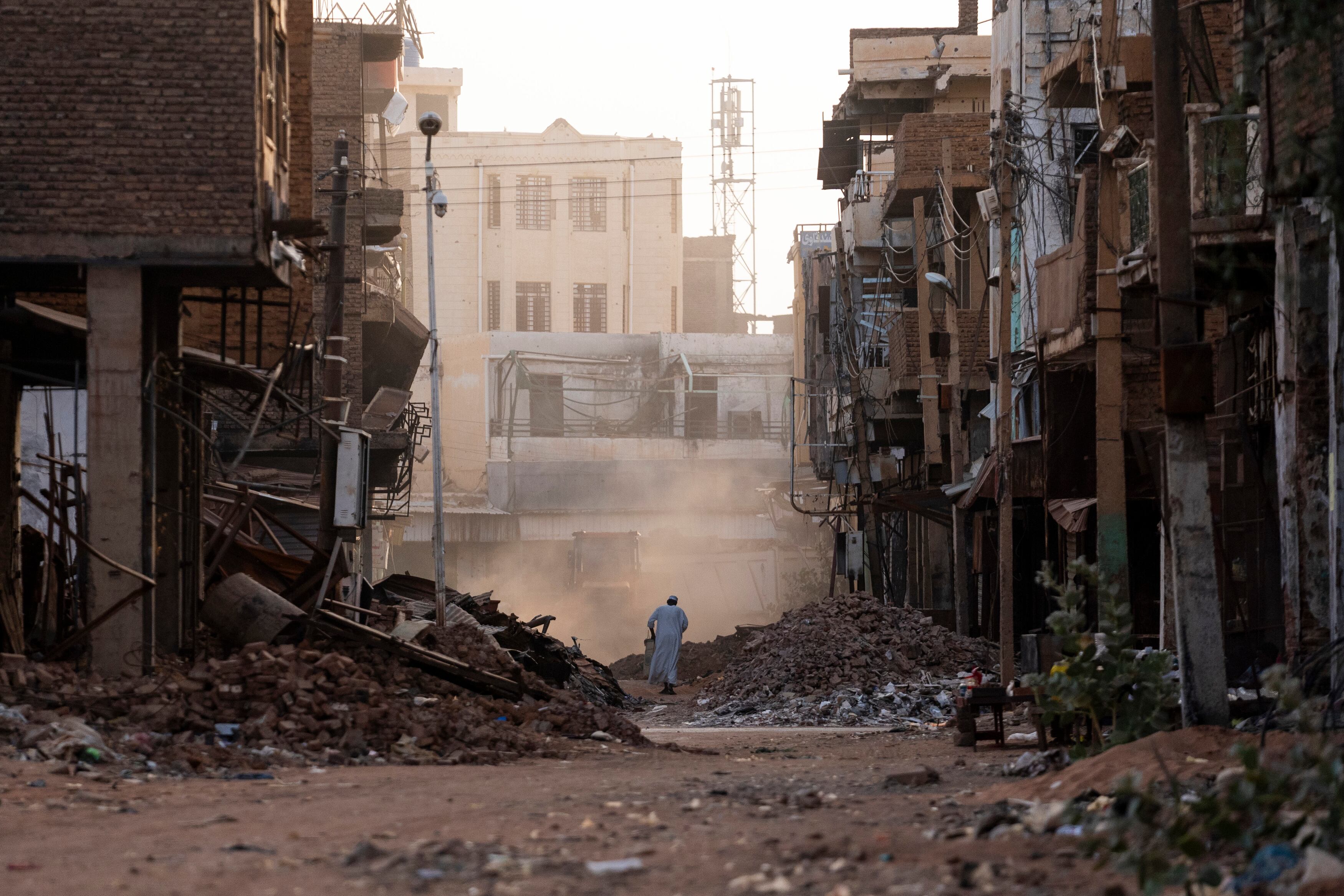
EL FASHER, Sudan — A United Nations team gained rare access to the besieged city of El Fasher in North Darfur on January 5, 2026, marking the first outside visit since its capture by paramilitary forces late last month. The delegation described a landscape of utter devastation: a practically deserted "ghost town" scarred by recent massacres, with thousands believed dead or displaced.
The two-hour tour, conducted under tight restrictions by the Rapid Support Forces (RSF)—the paramilitary group that seized control of El Fasher around December 31, 2025—provided harrowing firsthand accounts of the humanitarian catastrophe. UN officials reported streets lined with rubble, abandoned homes, and signs of widespread violence, underscoring the severity of Sudan's ongoing civil war, now in its third year.
"It's like a ghost town," one UN witness told reporters after the visit, as detailed in a report by El País. The team observed minimal civilian presence, with the city's pre-war population of around 200,000 having largely fled amid relentless fighting. Evidence of mass killings, including shallow graves and burned structures, pointed to atrocities committed during the RSF's assault, which followed months of encirclement.
The visit comes amid high-severity civil unrest classified by global monitors, triggered by the fall of El Fasher's local regime—previously held by the Sudanese Armed Forces (SAF)—on December 31, 2025. This loss represents a major strategic blow to the SAF, led by army chief Abdel Fattah al-Burhan, stripping them of their last major stronghold in the Darfur region.
Dire Humanitarian Conditions Exposed
During the brief assessment, the UN team documented overflowing displacement camps on the city's outskirts, where survivors recounted summary executions, sexual violence, and looting by RSF fighters. "Thousands of dead and displaced," the El País report summarized, aligning with estimates from humanitarian agencies that over 1 million people have been uprooted from Darfur alone since the RSF's offensive intensified in mid-2025.
The RSF, formerly Janjaweed militias rebranded under Mohamed Hamdan Dagalo (Hemedti), has faced repeated accusations of ethnic cleansing targeting non-Arab communities, particularly the Masalit people in Darfur. El Fasher, a historic hub for the Fur and Zaghawa ethnic groups allied with the SAF, became a focal point after RSF forces overran surrounding towns like Kutum and Um Kedada in late 2025.
UN Human Rights Commissioner Volker Türk, in prior statements, condemned the "appalling" violence in El Fasher, urging immediate ceasefires. The January 5 visit was facilitated through fragile deconfliction channels, but access remains severely limited, hampering broader aid delivery.
Background: Sudan's Fractured Civil War
Sudan's conflict erupted in April 2023 when simmering tensions between the SAF and RSF boiled over into open warfare, following a power-sharing dispute after the 2021 military coup that ousted a transitional civilian government. What began as a Khartoum power struggle has devolved into a proxy-fueled war, displacing over 10 million people—the world's largest displacement crisis—and killing tens of thousands.
Darfur, scene of genocide in the early 2000s that claimed 300,000 lives, has seen history repeat with RSF advances. El Fasher held out as an SAF enclave until December 2025, sheltering 800,000 displaced amid famine warnings from the Integrated Food Security Phase Classification (IPC). The city's fall accelerates risks of mass starvation, with aid convoys repeatedly blocked.
International efforts, including US- and Saudi-mediated talks in Geneva and Jeddah, have yielded only temporary truces. The African Union and Intergovernmental Authority on Development (IGAD) have called for renewed diplomacy, but both sides accuse each other of war crimes. Russia, UAE, and Egypt are alleged backers of the RSF and SAF, respectively, complicating peace.
Mounting Calls for Action
The UN visit highlights the urgent need for unrestricted humanitarian access, as warned by the World Food Programme and Médecins Sans Frontières. Over 25 million Sudanese face acute hunger, with El Fasher's collapse threatening cross-border incursions into Chad.
As the UN Security Council prepares to review Sudan sanctions, aid groups demand investigations into alleged RSF massacres. SAF forces have regrouped north of El Fasher, signaling potential counteroffensives, while RSF consolidates gains toward SAF-loyal Geneina.
The international community faces a narrowing window to avert further catastrophe in Sudan, where civil unrest has morphed into one of the deadliest conflicts of the decade. With El Fasher now a symbol of unchecked brutality, global leaders are urged to prioritize aid corridors and accountability.
(Word count: 612)