
UK's Strategic Shift: Aligning Military Bases with US Defense Against Iranian Threats
The New UK-US Military Partnership
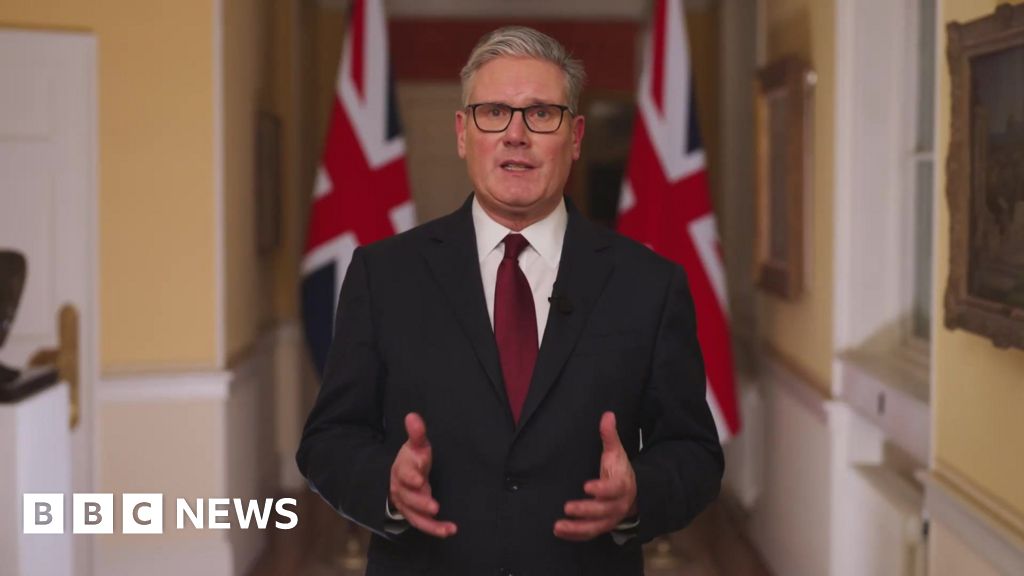
Starmer announced the agreement today, emphasizing its "defensive" nature to counter Iran's missile capabilities targeting Israel and regional allies. UK bases, including those in Cyprus and potentially Diego Garcia, will facilitate US operations. Starmer defended the decision in Parliament, stating it protects British interests and supports the evacuation of thousands of UK citizens from the Middle East, as per ongoing operations. The Labour leadership has rallied behind the agreement, although some backbenchers express caution over potential escalation risks.
Historical Precedents: UK Military Alliances
This partnership echoes the strong UK-US bonds forged during World War II, from Lend-Lease to joint D-Day operations, evolving into Cold War bases like RAF Lakenheath. In the Middle East, parallels include the 1991 Gulf War air strikes from UK soil and the logistics of the 2003 Iraq invasion. Recent events amplify this pattern: On January 4, 2026, the UK sought EU alignment; by January 11, it launched a soldier recruitment scheme amid "war fears"; and despite concerns over Chinese espionage (January 13-20), military focus has shifted to Iran. This consistent US tilt during crises often strains European ties.
The European Dimension: UK’s Position in NATO and Beyond
Post-Brexit, the UK's proactive stance bolsters NATO's eastern flank but risks isolating it from EU partners. France and Germany have vowed joint defensive actions against Iran (per Anadolu Agency), yet London's US-centric move could widen the transatlantic-Europe divide. It positions the UK as NATO's vanguard, potentially pressuring allies like Paris to follow suit while complicating Rwanda asylum arbitration (January 28) by diverting diplomatic bandwidth.
Iran’s Response and Regional Implications
Iran has condemned the pact as "aggression," vowing retaliation via proxies like Hezbollah. This UK-US collaboration heightens Gulf tensions, straining ties with neighbors like Saudi Arabia and the UAE, who balance anti-Iran stances with de-escalation efforts. Regionally, it may solidify the Abraham Accords but provoke Houthi or militia strikes on UK assets.
What People Are Saying
Social media buzzes with reactions: Tory MP Tom Tugendhat tweeted, "Right call—deter Iran now or pay later #StandWithIsrael." Analyst @MiddleEastEye posted, "Starmer's base-sharing revives Blair-era ghosts—escalation ahead?" Iranian state media RTed: "UK puppets US war machine." Experts like @RUSI_org note, "Defensive framing masks offensive potential."
Looking Ahead: Predictions for UK’s Foreign Policy
Expect intensified UK involvement in Middle East operations, boosting defense spending toward 2.5% of GDP for modernization efforts like Tempest jets. Long-term, US alignment may lock in an anti-Iran policy, sidelining EU resets and straining relations with China amid ongoing embassy disputes. Watch for Iranian proxy tests and NATO summits recalibrating burden-sharing.
This is a developing story and will be updated as more information becomes available.