Ukrainian Deep-Strike Drones Target Russian Ammunition and Oil Depots Amid Escalating Conflict
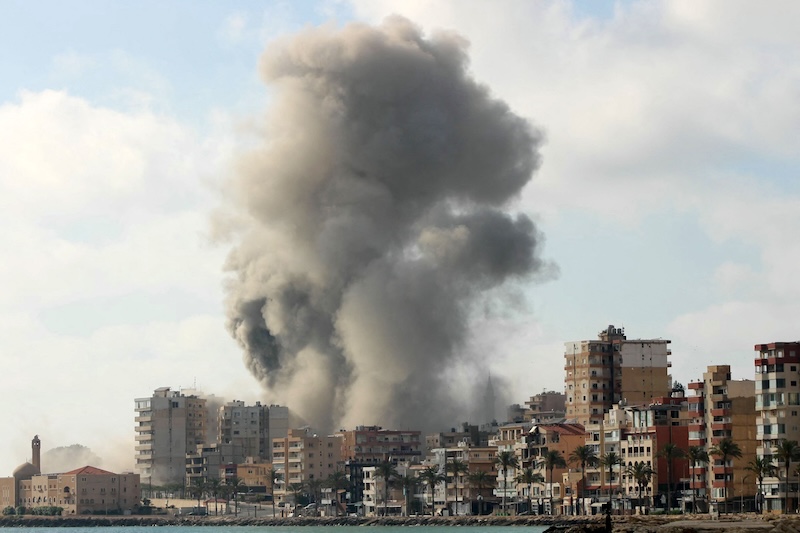
Moscow/Kyiv – Russia reported a significant drone attack on December 31, 2025, targeting key ammunition and oil facilities deep within its territory, according to a Ukrainian security official. The strikes, described as high-severity incursions, underscore the intensifying use of long-range drones in the ongoing Russia-Ukraine war, now entering its fourth year.
The assault began at approximately 09:12 GMT on Wednesday, December 31, 2025, amid heightened tensions between the two nations. Russian defenses intercepted several drones, but reports indicate successful hits on strategic ammunition depots and oil infrastructure. A Ukrainian security official confirmed the operation, highlighting it as a "deep-strike" mission aimed at disrupting Russian military logistics. The incident adds to a pattern of cross-border drone warfare that has increasingly threatened Russia's rear areas since the full-scale invasion began in February 2022.
Details of the Strikes
According to the security official cited in reports, the drones—likely Ukrainian-made long-range models such as those based on modified commercial designs or indigenous systems like the Lyutyy or Palianytsia—penetrated deep into Russian airspace. Targets included ammunition storage sites critical for frontline operations and oil depots that support fuel supplies for Russian forces. While exact locations were not specified in initial disclosures, such strikes typically focus on regions like Bryansk, Kursk, or areas near major logistics hubs in western Russia.
Russian authorities acknowledged the attack but downplayed the damage, stating that air defenses neutralized the majority of incoming threats. No immediate casualties were reported, though fires and secondary explosions at the affected sites suggested impacts on munitions stockpiles. This event aligns with Ukraine's strategy of asymmetric warfare, using affordable, precision-guided drones to compensate for Russia's numerical superiority in conventional forces.
The timing of the strikes coincides with stalled ceasefire negotiations and recent escalations, including Russian advances in eastern Ukraine's Donetsk region. Ukrainian forces have ramped up drone production, with President Volodymyr Zelenskyy announcing in late 2025 the deployment of over 1 million first-person-view (FPV) drones monthly, alongside longer-range variants capable of striking up to 1,000 kilometers into Russia.
Broader Context of Drone Warfare
Background on the Russia-Ukraine Conflict
The war, which erupted with Russia's full-scale invasion on February 24, 2022, has evolved into a protracted conflict marked by technological innovation on both sides. Ukraine, bolstered by Western aid, has pioneered drone usage, initially for reconnaissance and later for deep strikes. Notable prior incidents include the October 2022 attack on the Engels-2 airbase, home to Russian strategic bombers, and repeated hits on Crimea bridges and Black Sea Fleet vessels.
Russia has responded by enhancing air defenses, including S-400 systems and electronic warfare, but vulnerabilities persist in protecting vast rear areas. In 2025 alone, Ukraine claimed over 200 successful drone strikes on Russian oil refineries, reducing Moscow's refining capacity by an estimated 15%, according to the International Energy Agency. These operations not only degrade military capabilities but also pressure Russia's economy, which relies heavily on energy exports to fund the war.
The December 31 strikes reflect advancements in Ukrainian drone technology. Reports indicate the use of AI-guided swarms and satellite navigation resistant to jamming, allowing strikes in adverse weather. Russia's Ministry of Defense has accused Ukraine of using U.S.-provided intelligence for targeting, a claim Kyiv denies.
International Reactions
Western allies, including the U.S. and NATO members, have urged restraint while continuing arms shipments. The European Union imposed fresh sanctions on Russian energy firms following earlier refinery hits. China, a key Russian partner, called for de-escalation without condemning the strikes.
Implications and Outlook
The high-severity nature of this drone attack signals potential for further escalation. Analysts note that disruptions to ammunition supplies could slow Russian offensives in Donbas, while oil depot damage exacerbates fuel shortages reported in Russian media. Ukraine's ability to conduct such operations demonstrates resilience despite manpower shortages and delayed aid packages.
As 2026 begins, both sides face winter challenges, with drones likely remaining a cornerstone of attritional warfare. Diplomatic efforts, including U.S.-led talks in Geneva, offer faint hope, but military actions like these strikes complicate paths to peace. Russian President Vladimir Putin vowed retaliation, stating in a New Year's address that "all aggressors will face consequences," while Zelenskyy framed the strikes as defensive necessities.
This incident highlights the war's transformation into a high-tech drone conflict, where low-cost munitions challenge superpower defenses. Monitoring groups like the Institute for the Study of War (ISW) predict increased Russian countermeasures, potentially including expanded no-fly zones over border regions.
The World Now will continue tracking developments as more details emerge from the affected sites.
(Word count: 712)