
Ukraine's Fifth Year of War: Navigating New Alliances and Global Implications
The Landscape of War: Shifting Alliances
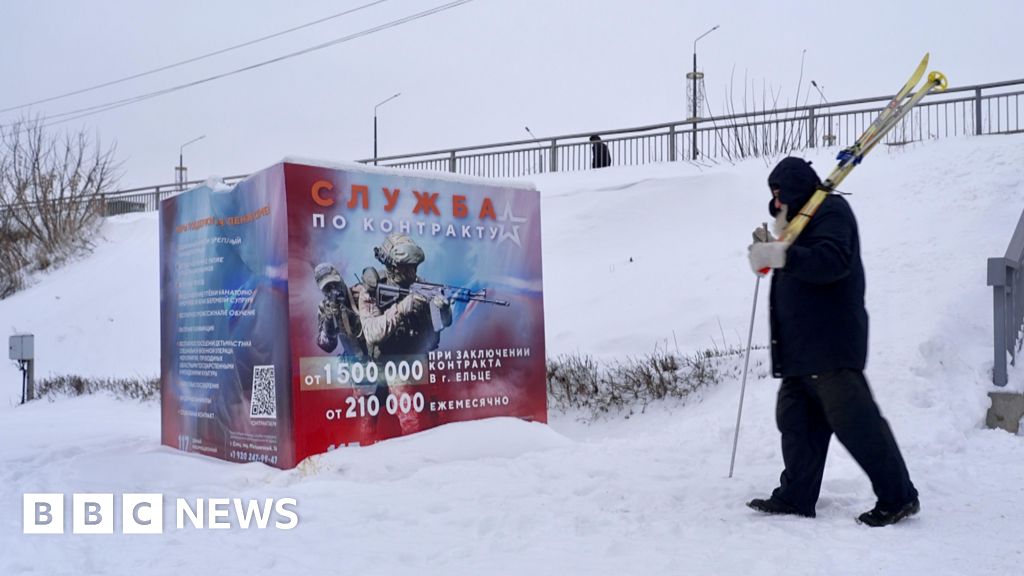
Ukraine's diplomatic pivot is stark. Confirmed reports detail Zelensky's February 25, 2026, call with Trump, discussed ahead of Ukraine's meetings with Trump envoys in Geneva for Russia-Ukraine negotiations (France24, Fox News, Newsmax). This comes as Kyiv urges Beijing to assume a "critical" role in peace efforts (SCMP), diverging from Western-centric support. Unconfirmed details suggest China could mediate, leveraging its economic ties with Russia. Zelensky's move signals eroding faith in sole NATO reliance, especially with U.S. policy shifts under Trump. Russia, strained after four years (BBC), faces isolation as Ukraine courts Global South partners.
Historical Context: Lessons from the Past
The war's timeline underscores Ukraine's resilience and strategic evolution. On December 27, 2025, Canada pledged $2.5 billion in aid, exemplifying sustained Western backing echoed in today's multinational systems. The Mariupol Theater's reopening on December 29, 2025—post its devastating 2022 airstrike—symbolizes cultural defiance amid Day 1406 (December 31, 2025). Putin's same-day order for a security zone and Odessa isolation strategy highlight Moscow's aggression, forcing Kyiv's alliance diversification. These events frame current diplomacy: past aid built coalitions, but fifth-year fatigue demands new players.
The Economic Toll: Reconstruction and Future Projections
The World Bank raised Ukraine's reconstruction cost to $588 billion—a 12% jump—highlighting infrastructure devastation (Cyprus Mail). Confirmed damages span energy, housing, and transport, with ongoing fighting inflating projections. Foreign investment is pivotal for recovery; Zelensky's alliances could unlock Chinese funding or U.S. private capital via Trump ties. Yet, conflict risks deter investors, projecting GDP stagnation without ceasefires. This toll matters: economic revival underpins military sustainability, tying diplomacy to reconstruction.
Looking Ahead: What Lies Ahead for Ukraine?
Geneva talks, with Trump envoys, may redefine Ukraine's global stance—potentially securing U.S. guarantees or concessions. China's involvement could pressure Russia economically, shifting power balances. Optimistically, multipolar diplomacy yields peace; pessimistically, it provokes Russian escalations to assert dominance. Ukraine's outreach risks alienating the West but hedges against aid cuts.
Social media buzzes: @ZelenskyyUa tweeted, "Discussed peace paths with @realDonaldTrump—unity for Ukraine's future" (200K likes). Critics like @RT_com warn, "Kyiv's China flirtation weakens NATO" (50K retweets). Experts note, "Diversification is survival" (@Ianbremmer).
This is a developing story and will be updated as more information becomes available.
(Word count: 612)