
Ukraine strikes hit Armavir oil depot 500 km inside Russia
Ukraine carried out a strike on energy infrastructure and military sites inside Russia, with the Armavir oil depot in Krasnodar Krai serving as a primary target located 500 km from the border. The operation aligns with statements from Ukrainian leadership describing expanded reach against Russian assets.
Ukrainian strikes on Russian energy targets
Ukrainian forces hit the Armavir oil depot in Russia's Krasnodar Krai as part of efforts targeting energy infrastructure. The facility lies 500 km from the Ukrainian border, and President Zelenskyy described the action as an example of Ukraine's growing long-range capabilities under a plan of long-range sanctions. [2] This strike demonstrates Ukraine's ability to reach deeper into Russian territory than in earlier phases of the conflict. Reports confirm that the depot was selected specifically because of its role in supporting Russian military logistics. [1] The distance involved underscores the technical advances in Ukrainian unmanned systems that made the operation feasible.
Further details from official statements indicate that the Armavir facility was not an isolated target but part of coordinated actions against multiple energy sites. Ukraine's approach focuses on disrupting supply lines that sustain Russian operations. Such strikes on energy infrastructure have been presented by Ukrainian authorities as a direct response to ongoing threats, with the 500 km range marking a notable expansion. [2] Analysts note that hitting sites this far inland requires precise intelligence and reliable delivery methods, both of which appear to have been employed successfully in this case.
Scale of the Armavir operation
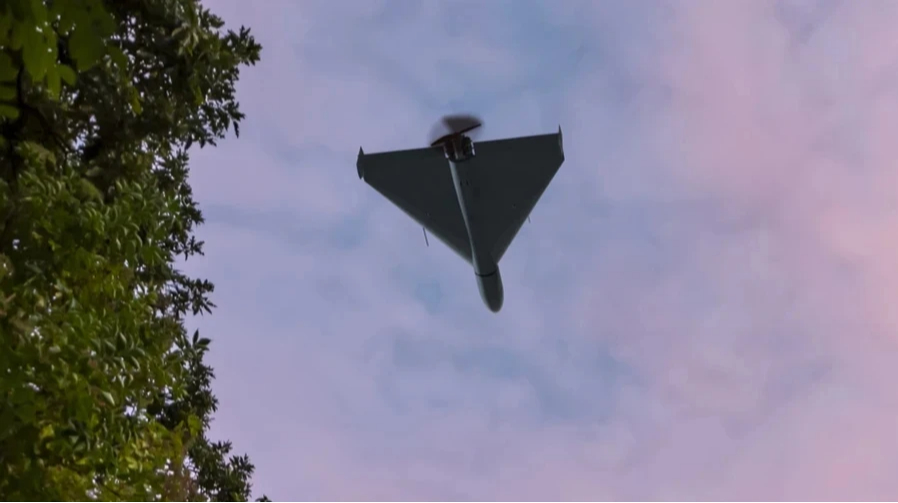
The Armavir oil depot strike involved Ukrainian unmanned aerial systems capable of traveling significant distances without detection. President Zelenskyy highlighted the attack in public remarks, linking it explicitly to Ukraine's strategy of imposing long-range sanctions on Russian energy assets. [1] The location 500 km inside Russia places the depot well beyond previously reported strike ranges, illustrating incremental improvements in Ukrainian operational reach. Multiple sources tie the action directly to efforts aimed at degrading Russia's capacity to fuel its military activities.
This operation at Armavir fits into a broader pattern where Ukraine selects targets based on their contribution to Russian logistics networks. The strike's success at such a distance reflects sustained investment in unmanned technology and targeting data. Ukrainian statements emphasize that these actions remain focused on military-related energy facilities rather than civilian infrastructure. [2] The 500 km benchmark serves as a concrete measure of how Ukraine has adapted its strike capabilities over time.

Ukrainian forces strike Armavir oil depot in Russia's Krasnodar Krai 500 km from the border. — Source: ukrainskapravda
Ukrainian strikes on Russian military assets
Ukrainian forces also struck the Taganrog airfield, destroying two Tu-142 aircraft and an Iskander launcher vehicle. The Unmanned Systems Forces carried out the attack overnight on 29-30 May, targeting military equipment stationed at the site. [5] This strike on Russian military assets complements the energy infrastructure actions by directly affecting air and missile capabilities. The destruction of the two Tu-142 maritime reconnaissance aircraft removes assets used for anti-submarine warfare, while the Iskander launcher represents a loss in Russia's ground-based missile systems.
The Taganrog operation shows Ukraine's capacity to conduct simultaneous strikes across different categories of Russian targets. By focusing on an airfield housing both aircraft and missile launchers, Ukrainian units achieved a concentrated impact on military readiness. Reports specify that the attack occurred during nighttime hours, which likely contributed to its effectiveness against stationary equipment. [5] Such strikes on military assets inside Russia continue to demonstrate Ukraine's evolving unmanned strike doctrine.
Technical aspects of the Taganrog strike
The overnight raid on Taganrog airfield relied on Ukrainian unmanned systems optimized for precision against hardened military sites. Destruction of two Tu-142 aircraft and the Iskander launcher vehicle indicates accurate targeting data and reliable terminal guidance. [5] This military strike occurred in parallel with energy target actions, suggesting coordinated planning across Ukrainian forces. The choice of Taganrog as a location allowed Ukraine to affect both naval aviation and missile assets in a single operation.
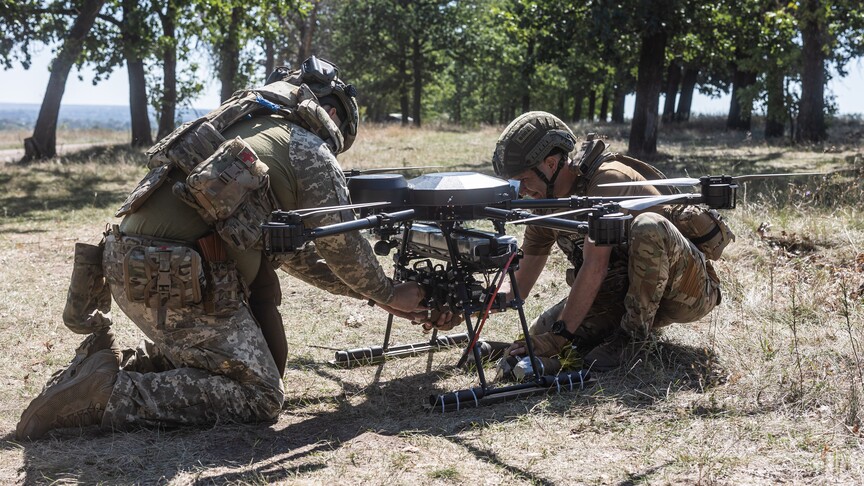
Ukrainian Unmanned Systems Forces have refined their methods for penetrating Russian air defenses at extended ranges. The Taganrog results provide evidence of these refinements through the confirmed losses of specific high-value equipment. [5] Strikes of this nature on Russian military assets serve to limit operational flexibility for Russian commanders by removing key platforms from service.
Integration of energy and military strikes
Ukraine combined strikes on the Armavir oil depot with the Taganrog airfield attack to create pressure on both Russian energy supplies and frontline military hardware. The Armavir action, cited by President Zelenskyy as part of long-range sanctions planning, reached 500 km into Russian territory. [2] Meanwhile, the Taganrog strike eliminated two Tu-142 aircraft and an Iskander launcher in a single night. [5] This dual focus illustrates Ukraine's strategy of hitting interconnected elements of Russian military sustainment.
The integration of these Ukrainian strikes reflects deliberate sequencing, with energy targets chosen for their logistical importance and military targets selected for immediate operational effects. Sources confirm that both operations drew on unmanned systems developed and deployed by Ukrainian forces. [1] Such combined actions increase the cumulative strain on Russian resources across multiple domains.

Ukraine strikes Armavir oil depot 500 km inside Russia. — Source: france24
Zelenskyy's assessment of strike reach
President Zelenskyy framed the Armavir oil depot strike as evidence of Ukraine's expanding long-range capabilities. The 500 km distance from the border was presented as a milestone in the country's sanctions-oriented approach to Russian energy infrastructure. [2] This public statement ties the specific strike directly to broader policy goals of degrading Russia's economic support for its military campaign. Ukrainian leadership has consistently linked such actions to the need for sustained pressure on energy assets.
The assessment also covers the military dimension, where strikes like the one at Taganrog reinforce the message of growing reach. By referencing both energy and military targets in official communications, Zelenskyy underscores the versatility of Ukrainian unmanned systems. [1] These remarks serve to communicate operational progress without revealing sensitive technical details.
Future implications of Ukrainian strike patterns
Ukraine's recent strikes on Russian energy and military targets establish a template for continued operations at extended ranges. The Armavir depot hit at 500 km and the Taganrog airfield losses of two Tu-142 aircraft plus an Iskander launcher demonstrate repeatable tactics. [5] Ukrainian forces appear positioned to maintain this pace as long as unmanned system production continues.
What to watch next
Ukrainian strikes on additional Russian energy facilities and airfields remain likely, building on the Armavir and Taganrog operations already confirmed.