
Ukraine Deception Strategy Reveals Russian Agents Amid Ongoing Peace Talks
In a strategic move that exemplifies the ongoing intelligence war between Ukraine and Russia, Ukrainian intelligence services successfully executed a deception operation that faked the death of a prominent Russian far-right activist. This operation not only misled Moscow but also exposed several Russian agents operating within Ukraine. Concurrently, Ukraine is gearing up to host high-level security discussions with allies, indicating continued diplomatic efforts amid the prolonged conflict.
On January 2, 2026, Ukrainian intelligence orchestrated a complex ruse that involved the fabrication of the death of a well-known figure associated with the Russian far-right. This operation aimed to sow confusion within Russian intelligence circles and was reportedly successful in uncovering the identities of multiple enemy agents. The specifics of the operation have not been fully disclosed, but the implications of this deception underscore the ongoing cat-and-mouse game between the two nations as the conflict drags on into its fourth year.
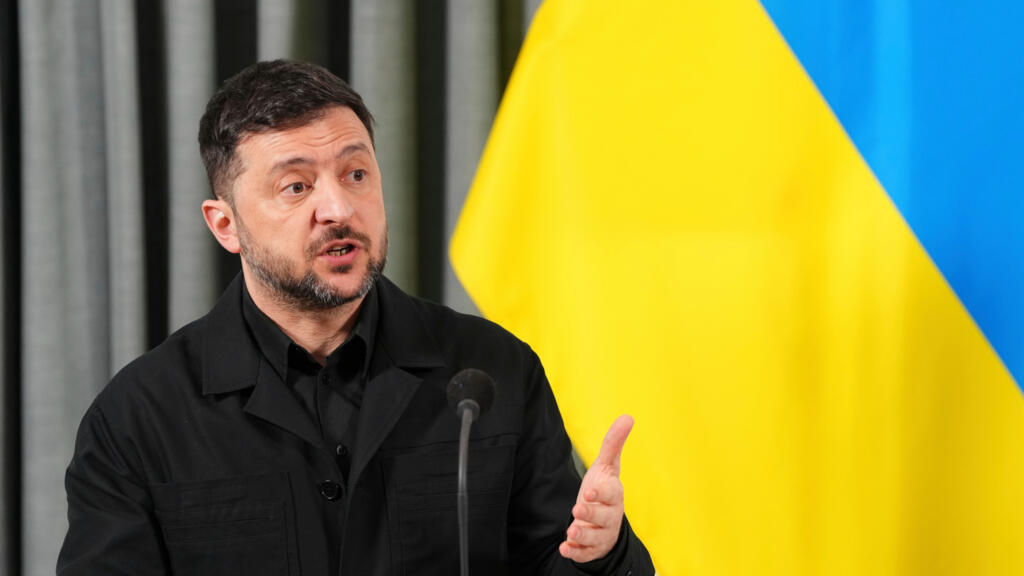
President Volodymyr Zelenskyy has been actively seeking to bolster Ukraine's defensive capabilities and diplomatic standing. In light of recent developments, Kyiv is set to host security advisers from approximately 15 countries, including key Western allies, for crucial dialogues aimed at solidifying support for a US-brokered peace plan. This meeting, scheduled for January 3, 2026, comes at a time when Ukraine is navigating complex territorial disputes and ongoing military pressures from Russia.
Zelenskyy expressed optimism regarding the negotiations, stating that discussions were nearing a critical juncture despite the persistent challenges posed by Russia. The Ukrainian government remains committed to resolving outstanding territorial issues, although Moscow has claimed setbacks in its military objectives, which could influence the trajectory of these talks.
The deception operation may also serve as a countermeasure to Russian disinformation campaigns, which have been a hallmark of the conflict. By revealing enemy agents, Ukraine not only strengthens its own security apparatus but also sends a message to Moscow about the capabilities of its intelligence services. Analysts suggest that such operations could become more frequent as Ukraine seeks to gain an upper hand in the information warfare component of the conflict.
As Ukraine prepares for the upcoming security talks, the international community's engagement remains vital. The presence of allies in Kyiv signals a collective commitment to supporting Ukraine's sovereignty and territorial integrity. However, with the situation on the ground remaining volatile, the effectiveness of these diplomatic efforts remains to be seen.
In conclusion, Ukraine's strategic deception operation highlights the high-stakes intelligence battle with Russia, while ongoing peace talks with international allies reflect a dual approach to navigating the complexities of the war. As the conflict continues, both military and diplomatic strategies will play crucial roles in shaping the future of Ukraine and its relations with the world.