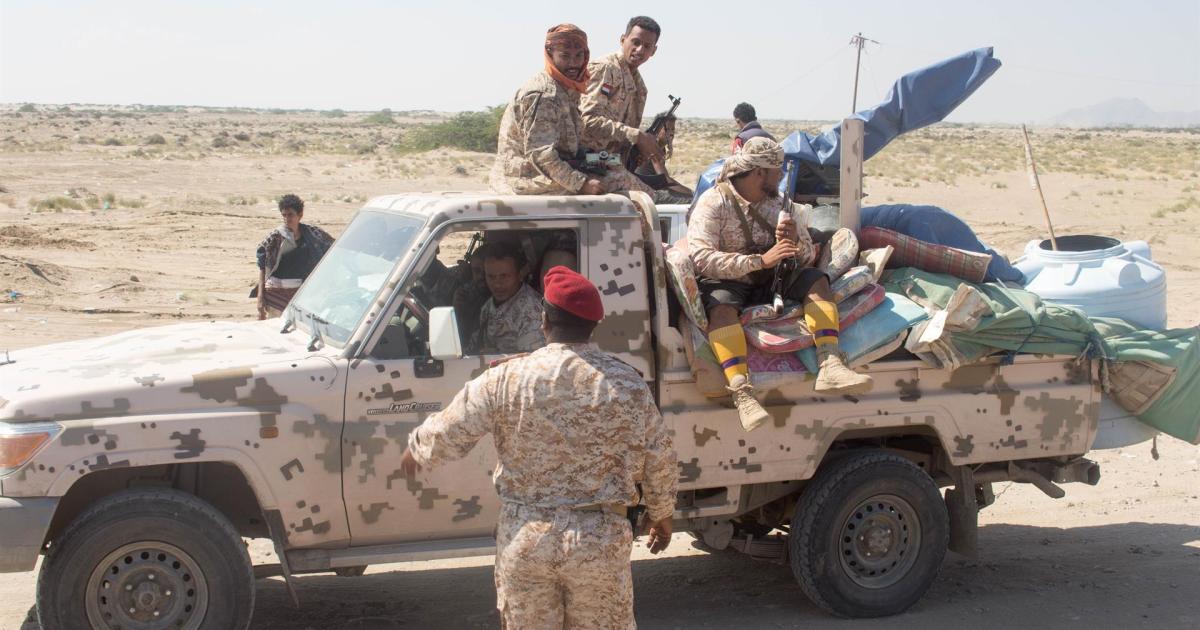

UAE Plans Withdrawal from Yemen Amid Heightened Conflict with Separatists
In a significant development in the ongoing Yemeni civil war, the United Arab Emirates (UAE) has announced its intention to withdraw military forces from Yemen following a Saudi-led airstrike on a port held by separatist factions. This decision underscores escalating tensions within the complex conflict that has engulfed Yemen since 2015, particularly as separatists from the Southern Transitional Council (STC) have declared war against the internationally recognized Yemeni government.
The UAE's withdrawal, which was confirmed on December 31, 2025, comes in the wake of increasing hostilities between various factions vying for power in Yemen. The Saudi strike targeted a port facility that is strategically important for the separatists, who have been seeking greater autonomy in the southern regions of the country. This incident highlights the fractious nature of alliances in the region, where the UAE and Saudi Arabia have historically supported the STC against the Houthi rebels, yet tensions between these allies have risen dramatically.
The STC announced its declaration of war on the Yemeni government, intensifying fears of a broader conflict that could destabilize the region further. The group's leader, Aidarus al-Zoubaidi, has emphasized the need for self-governance and has called for mobilization against the government forces. "The time has come for our people to unite and reclaim their rights," al-Zoubaidi stated, reflecting the separatists' growing assertiveness.
The civil war in Yemen has seen various factions, including the Houthis, the Yemeni government, and the STC, fighting for control since 2014, leading to one of the world’s most severe humanitarian crises. The UAE's military presence has been pivotal in supporting anti-Houthi efforts, but recent developments indicate a shift in strategy as the UAE seeks to recalibrate its role in the conflict.
Background
The Yemeni civil war began in 2014 when the Iran-aligned Houthi movement seized control of the capital, Sanaa, forcing President Abdrabbuh Mansur Hadi to flee. The Saudi-led coalition intervened in 2015, aiming to restore Hadi's government, but the conflict has since devolved into a multi-faceted war involving various local and regional actors, including the UAE's support for southern separatists.
In recent years, the STC has gained control over several southern provinces, asserting its authority and complicating peace efforts. The fragile nature of the alliances within the coalition has often led to clashes between forces loyal to the Yemeni government and those aligned with the STC, further complicating the already dire humanitarian situation in the country.
Conclusion
The UAE's impending withdrawal from Yemen marks a critical juncture in the ongoing conflict, potentially emboldening separatist forces and exacerbating divisions among anti-Houthi factions. As the STC intensifies its campaign against the recognized government, the international community watches closely, concerned about the implications for regional stability and the humanitarian crisis that continues to unfold in Yemen. The situation remains fluid, with future developments likely to shape the trajectory of the civil war and the fate of millions of civilians caught in the crossfire.