
Two Weeks Later: Unanswered Questions Surround US Airstrikes in Nigeria
LAGOS, Nigeria — Two weeks after the United States conducted airstrikes in Nigeria, significant uncertainties persist regarding the precise targets struck and the full extent of their impact, fueling demands for greater transparency from both American and Nigerian authorities.
The strikes, which occurred in late December 2025, were part of ongoing U.S. counterterrorism operations in West Africa but have drawn scrutiny amid reports of potential civilian involvement and limited official disclosures. According to a detailed report from The Guardian published on January 8, 2026, questions about the targeting process, collateral damage, and broader strategic implications remain unresolved, highlighting tensions in U.S.-Nigeria military cooperation.
U.S. Africa Command (AFRICOM), which oversees American military activities on the continent, confirmed the airstrikes in a brief statement shortly after they took place. The operations were described as targeting "violent extremists" affiliated with the Islamic State West Africa Province (ISWAP), a splinter group of Boko Haram that has intensified attacks in northeastern Nigeria and the Lake Chad Basin. However, specifics on locations, number of munitions deployed, or intelligence sources used for targeting have not been publicly detailed.
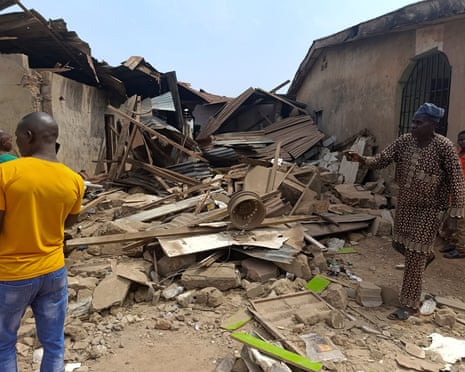
Local Nigerian media and human rights organizations have amplified concerns. Residents in affected areas of Borno State, a longtime epicenter of the insurgency, reported hearing explosions and seeing aircraft overhead on the night of the strikes. Eyewitness accounts cited in regional outlets described damaged structures and unverified casualties, though no independent verification has been possible due to restricted access imposed by security forces. The Guardian's analysis notes that Nigerian military spokespersons have acknowledged U.S. assistance but provided minimal updates, citing operational security.
Context of U.S. Counterterrorism in Nigeria
The airstrikes fit into a decade-long pattern of U.S. support for Nigeria's fight against jihadist groups. Boko Haram emerged in 2009, launching an insurgency that has killed over 35,000 people and displaced more than 2 million, according to United Nations estimates. ISWAP, which pledged allegiance to the Islamic State in 2015, has become the dominant threat, controlling swathes of territory and conducting sophisticated ambushes on military convoys and civilian targets.
The U.S. has provided Nigeria with intelligence, training, and logistical support under Section 1206 of the National Defense Authorization Act and through the Trans-Sahara Counterterrorism Partnership. Airstrikes, often conducted via armed drones from bases in Niger or Djibouti, have been authorized since 2016 following congressional approvals for operations against ISIS affiliates. Notable past actions include a 2019 strike near Gamboru that killed ISWAP leader Abu Musab al-Barnawi, as confirmed by AFRICOM.
However, these operations have not been without controversy. A 2021 Amnesty International report documented civilian deaths from Nigerian airstrikes supported by foreign intelligence, raising parallel concerns about accountability. In Somalia and other African theaters, U.S. drone strikes have faced similar criticism for opaque targeting and inadequate post-strike assessments, with the U.S. Bureau of Investigative Journalism tracking over 200 strikes since 2017 resulting in hundreds of civilian casualties.
The current incident echoes these issues. The Guardian reports that U.S. officials have yet to release a standard battle damage assessment, which typically includes estimates of militants killed and civilian harm mitigated. Nigerian President Bola Tinubu's administration, facing domestic pressure from opposition figures and civil society, has called for a joint investigation but has not released preliminary findings.
Calls for Transparency and Implications
Human rights advocates, including those from Human Rights Watch, have urged an independent probe. "Without clear information on who was targeted and why, these strikes risk eroding trust in counterterrorism efforts," a spokesperson told regional media. Nigerian lawmakers in the House of Representatives have also queried the Defense Ministry on the strikes' legality under national sovereignty laws.
The lack of clarity comes at a sensitive time. Insurgent violence surged in 2025, with ISWAP claiming responsibility for attacks killing over 1,500 in the first half of the year alone, per the Council on Foreign Relations. U.S. policy under the Biden administration has emphasized precision strikes to minimize civilian harm, but a 2023 Government Accountability Office review found gaps in post-strike investigations.
As investigations proceed, the episode underscores the delicate balance in U.S.-African security partnerships. Nigeria, Africa's most populous nation and a major oil producer, relies on Western aid to combat insecurity that hampers economic growth. Yet, public wariness of foreign military involvement persists, particularly after incidents like the 2020 Lekki Toll Gate shooting that strained civil-military relations.
AFRICOM has stated it is reviewing the operation internally, promising more details "when appropriate." Nigerian authorities echo this, emphasizing progress against insurgents. Until fuller accounts emerge, the strikes serve as a reminder of the human and political costs of the long-running Sahel conflict, with implications for future U.S. engagements in the region.
(Word count: 612)






