
Two Earthquakes Strike Mexico, Causing Concern and Disruption
On January 2, 2026, a powerful 6.5 magnitude earthquake struck Mexico City, causing significant disruption and prompting emergency responses across the region. Just days earlier, a smaller magnitude 2.9 earthquake was recorded near Golfo de Santa Clara, highlighting a period of seismic activity in Mexico.
The earthquake in Mexico City occurred at approximately 14:23 UTC, causing President Claudia Sheinbaum to suspend a press briefing while safety protocols were activated. Reports indicate that at least 12 individuals sustained injuries, although no fatalities have been reported as of this writing. The city’s emergency services were immediately deployed, activating protocols across eight states to assess damages and ensure public safety (Diario Libre, El Universal).
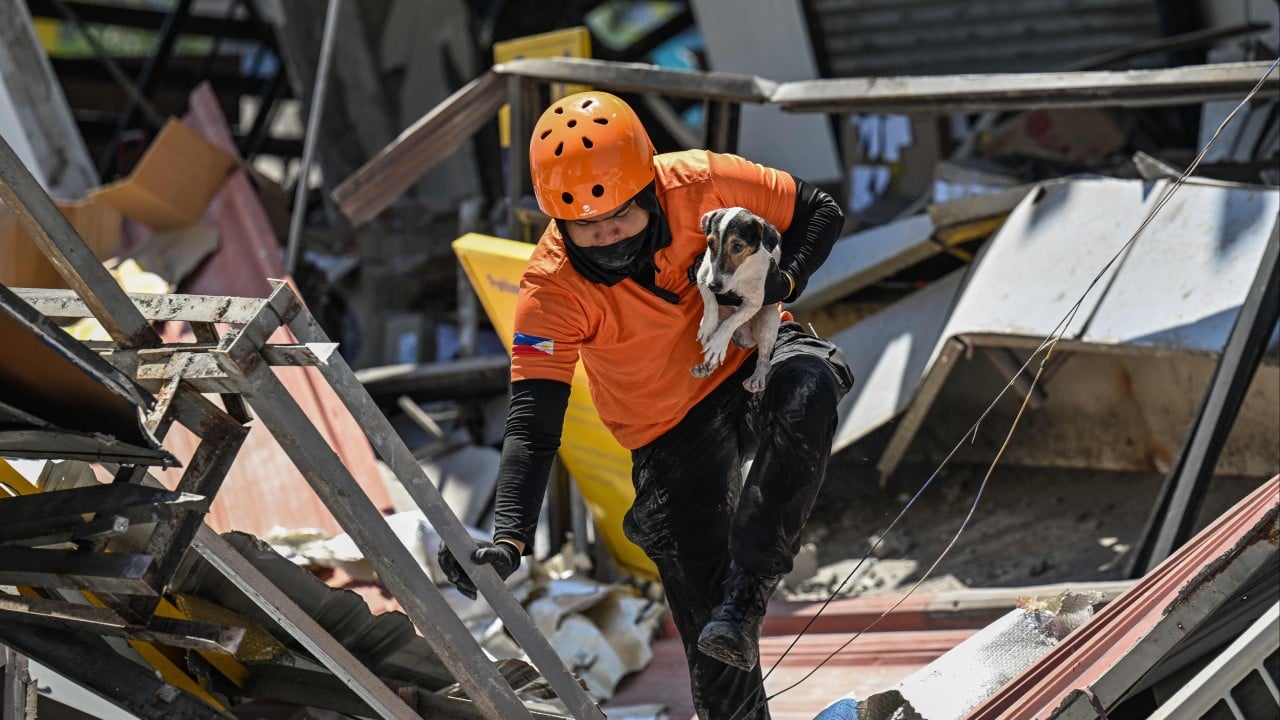
In the aftermath of the tremor, reports detailed various structural damages including fallen traffic lights and cracks in buildings throughout the city. Local authorities are conducting thorough inspections to ascertain the extent of the damage and to ensure public safety. In addition to physical injuries, media coverage revealed a surge of social media activity, with users sharing memes and humorous takes on the earthquake experience, a cultural phenomenon in Mexico that often accompanies such events (Chilango, Gdelt).
Prior to the significant event in Mexico City, a smaller earthquake measuring 2.9 in magnitude was recorded on December 30, 2025, located 48 kilometers ESE of Golfo de Santa Clara at a depth of 5.7 kilometers. While this earthquake did not result in reported injuries or major damages, it signifies ongoing geological activity in the region (Gdelt).
Background on Earthquake Preparedness in Mexico
Mexico is no stranger to seismic activity, located along the Pacific Ring of Fire, where tectonic plate interactions frequently result in earthquakes. The country has established comprehensive emergency protocols and public awareness campaigns to mitigate the impact of such natural events. The capital, Mexico City, has invested in building retrofitting and early warning systems designed to protect residents during seismic events.
Despite these measures, the January 2 earthquake serves as a reminder of the unpredictability of such phenomena and the importance of continued preparedness and resilience in the face of potential disasters.
Conclusion
As authorities continue to monitor the situation and assist those affected by the recent earthquakes, the focus remains on assessing damages, providing medical care, and ensuring the safety of residents. The seismic events have once again highlighted the resilience of the Mexican people and the importance of community support during times of crisis. With the region's history of seismic activity, ongoing vigilance and preparedness will be essential as the country navigates this challenging period.