Trump's De-escalation Rhetoric and Oil Price Drop: A Catalyst for Middle East Economic Diversification
Former President Donald Trump's prediction of Middle East de-escalation has led to a sharp 6% drop in oil prices, with Brent crude falling below $70 per barrel. This event highlights the impact of political rhetoric on global markets and accelerates diversification efforts in oil-dependent Gulf Cooperation Council (GCC) nations, fostering growth in tech and renewables.
What's Happening
Oil prices plummeted over 6% on Wednesday after Trump's statements on social media and interviews suggested reduced tensions between Iran and its neighbors. Brent crude settled at $68.50, while WTI dropped to $65.20, reversing gains linked to recent regional conflicts. Market data from CME Group confirms this decline was directly tied to Trump's optimistic outlook, easing global inflationary pressures but exposing vulnerabilities in oil-reliant economies. This shift could prompt GCC countries to intensify diversification strategies amid ongoing U.S. diplomatic efforts.
Context and Background
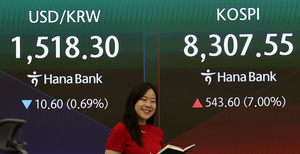
This oil price drop mirrors patterns from early 2026, when prices surged above $100 due to Iran War escalation, disrupting supply chains and widening GCC fiscal deficits. Events like the March 9, 2026, plunge in Asian equities by 4-6% underscored the risks of conflict-driven volatility. In response, initiatives such as Saudi Vision 2030 and UAE's tech hubs have gained momentum, helping these nations hedge against oil price swings and build resilience against global shocks.
Why This Matters and Looking Ahead
Trump's comments serve as a catalyst for economic transformation in the GCC, potentially unlocking billions in foreign direct investment for sectors like AI, renewables, and tourism. While lower oil prices may strain fiscal budgets, sustained de-escalation could boost GDP by 2-5% next year through tech and green energy booms. Nations like the UAE and Qatar, with advanced ecosystems, are poised to lead, but others like Oman and Bahrain need reforms to avoid inequalities. Investors should monitor U.S.-Iran talks, OPEC+ decisions, and the upcoming GCC summit for stability signals, as re-escalation could trigger rapid price surges.
(Word count: 612)