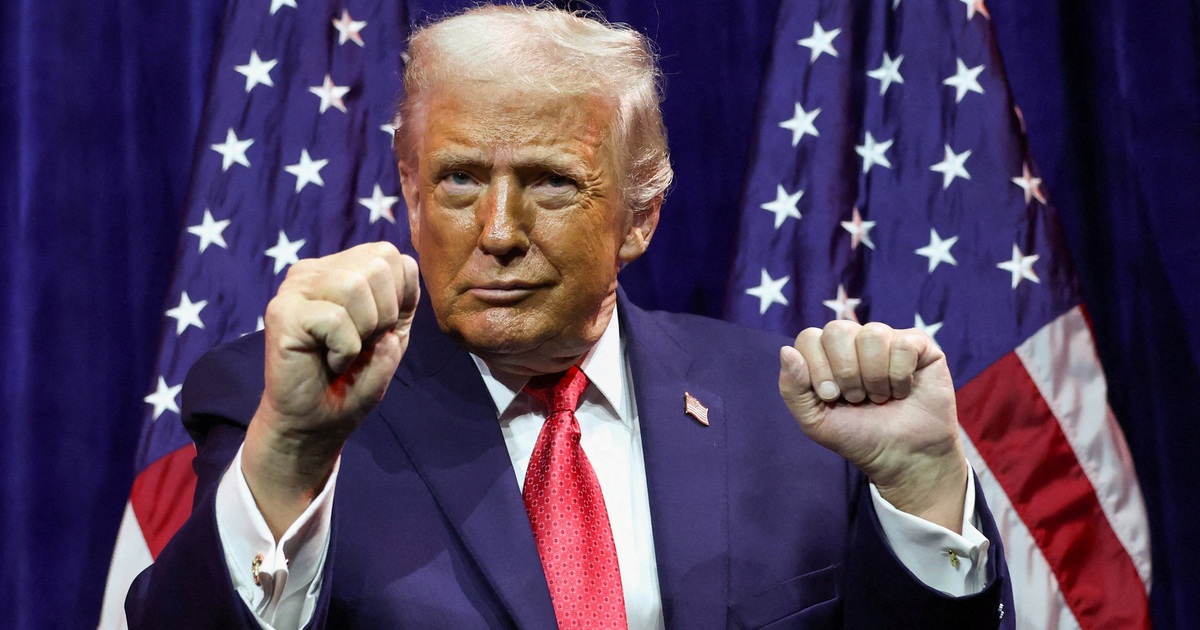

Trump Threatens Continued Airstrikes in Nigeria Amid Lingering Questions Over Recent US Strikes
Lagos/Abuja, Nigeria – Two weeks after U.S. airstrikes targeted locations in Nigeria, U.S. President Donald Trump has warned of potential further military action, intensifying scrutiny over the operations' objectives, targets, and consequences. The developments, reported on January 9, 2026, come amid heightened concerns about the strikes' impact in a region plagued by Islamist insurgency.
The airstrikes, which occurred approximately mid-December 2025, have prompted widespread questions regarding their precision, civilian casualties, and alignment with international counterterrorism norms. According to monitoring from global event tracking platforms, the operations were part of ongoing U.S. efforts against extremist groups in West Africa. However, details remain sparse, with Nigerian authorities and international observers calling for greater transparency on the strikes' scope and outcomes. The timing aligns with a Thursday, January 8, 2026, escalation in public discourse, rated as a medium-severity event by real-time analytics.
Trump's statement, as covered in Vietnamese outlet Thanh Nien via GDELT monitoring, explicitly threatens to "continue airstrikes" in Nigeria. This rhetoric follows his inauguration earlier in 2025 after winning the U.S. presidential election, signaling a potential hardening of U.S. policy toward African security threats. While the exact context of Trump's remarks—whether tied to specific intelligence on militant regrouping or broader strategic posturing—has not been fully detailed in available reports, it underscores the volatile U.S. approach to countering groups like Boko Haram and the Islamic State West Africa Province (ISWAP).
The body of evidence points to these strikes occurring in Nigeria's restive northeast, a hotspot for jihadist activity. U.S. Africa Command (AFRICOM) has historically conducted such operations under authorities granted by Congress, often in coordination with Nigerian forces. For instance, in 2021, AFRICOM acknowledged airstrikes that neutralized ISWAP leaders, citing actionable intelligence to prevent attacks. Similar patterns emerged in 2023 and 2024, with drone strikes targeting high-value individuals amid Boko Haram's resurgence, which has displaced over 2 million people and killed tens of thousands since 2009, per United Nations data.
Nigerian government responses to the latest strikes have been measured but cautious. Abuja has long partnered with Washington through initiatives like the Trans-Sahara Counterterrorism Partnership, receiving U.S. military aid exceeding $500 million annually in recent years. Yet, local human rights groups, including Amnesty International, have repeatedly flagged risks of collateral damage in crowded regions like Borno State. Two weeks post-strike, reports of unverified civilian impacts continue to circulate, fueling demands for independent investigations. Neither the U.S. State Department nor the Nigerian Ministry of Defence has released strike assessments as of January 9, 2026, leaving a vacuum filled by speculation.
Background on U.S. Military Engagement in Nigeria
U.S. involvement in Nigeria's counterterrorism fight dates back to the Obama administration, escalating after Boko Haram's 2014 pledge of allegiance to ISIS. AFRICOM's presence includes intelligence sharing, training, and occasional kinetic strikes, authorized under Section 1206 of the National Defense Authorization Act. Nigeria, Africa's most populous nation with 230 million people, faces multifaceted security challenges: insurgency in the northeast, banditry in the northwest, and separatist tensions in the southeast.
Trump's first term (2017-2021) saw a drawdown of U.S. troops from Africa but maintained drone operations from bases in Niger and Djibouti. His return to office has revived debates over "America First" policies versus global commitments. Nigeria's military, stretched thin by oil theft in the Niger Delta and economic woes—including 35% inflation in 2025—relies heavily on foreign support. Bilateral ties were reaffirmed during Vice President Kashim Shettima's 2025 Washington visit, focusing on technology transfers for surveillance drones.
Critics, including African Union representatives, argue that unilateral strikes risk alienating local populations and boosting insurgent recruitment. A 2024 Council on Foreign Relations report noted over 100 U.S. airstrikes across the Sahel since 2017, with varying success rates in degrading leadership but persistent territorial control by militants.
Regional and Global Implications
The threat of continued strikes could strain U.S.-Nigeria relations if perceived as overreach, especially with Nigeria's upcoming elections in 2027 looming. Ecowas, the West African bloc, has urged de-escalation, emphasizing multilateral approaches. Meanwhile, China's growing footprint—via Belt and Road infrastructure—offers Abuja alternatives to Western aid, potentially shifting geopolitical dynamics.
As of January 9, 2026, no new strikes have been confirmed, but Trump's warning keeps tensions elevated. U.S. officials may provide clarity in forthcoming briefings, while Nigeria pushes for joint oversight mechanisms. The episode highlights the delicate balance in Africa's counterterrorism landscape, where external interventions must navigate sovereignty concerns and humanitarian imperatives.
In a region where violence displaced 3.5 million in 2025 alone (Internal Displacement Monitoring Centre), sustained peace requires not just airstrikes but addressing root causes like poverty and governance failures. Observers await official disclosures to assess whether these operations advance stability or perpetuate cycles of conflict.
(Word count: 712)






