
Trump Shuts Down Pardon Hopes for FTX's Sam Bankman-Fried as Bitcoin ETFs See Sustained Outflows
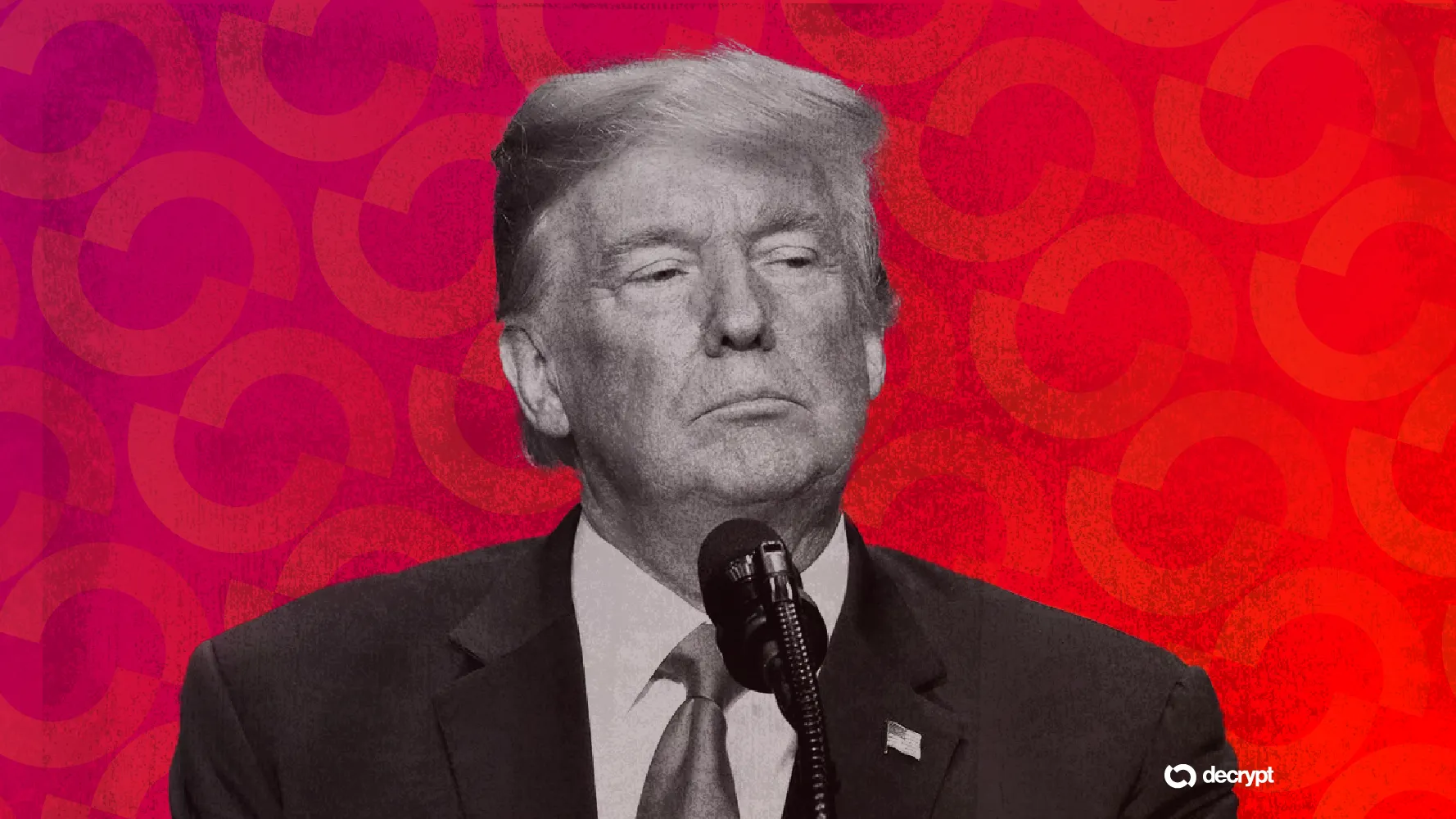
Washington, D.C. and New York – January 10, 2026 – President-elect Donald Trump has explicitly ruled out any consideration of a pardon for Sam Bankman-Fried, the disgraced founder of the collapsed cryptocurrency exchange FTX, signaling a firm stance against leniency in high-profile crypto fraud cases. This development coincides with a cooling in investor risk appetite, evidenced by three consecutive days of outflows from U.S. spot Bitcoin exchange-traded funds (ETFs), while global events like Iran's severe internet restrictions amid intensifying protests underscore ongoing challenges for decentralized technologies.
Trump's comments, reported by The New York Times and covered by Decrypt, came in response to speculation that the incoming administration might intervene in Bankman-Fried's legal woes. Bankman-Fried was convicted in November 2023 on seven counts of fraud and conspiracy related to the misuse of customer funds at FTX, which filed for bankruptcy in late 2022 amid revelations of an $8 billion shortfall. He was sentenced to 25 years in prison in March 2024. Prior to the election, Bankman-Fried's allies had floated the idea of a pardon under a potential Trump presidency, citing political donations and alignment on certain issues. However, Trump dismissed the notion outright, stating he would not consider pardoning the FTX founder.
This rejection arrives at a pivotal moment for the cryptocurrency industry, which has navigated a rocky regulatory landscape under the outgoing Biden administration. The Securities and Exchange Commission (SEC) and Department of Justice (DOJ) pursued aggressive enforcement against FTX, marking it as a cautionary tale for platform operators. Trump's stance suggests continuity in accountability for white-collar crimes in crypto, despite his pro-industry rhetoric during the campaign, including promises to create a national Bitcoin strategic reserve and foster a more innovation-friendly regulatory environment. Industry observers note that while Trump has pledged to replace SEC Chair Gary Gensler, high-profile cases like Bankman-Fried's may face little reprieve, reinforcing the message that fraud will not be overlooked regardless of political shifts.
In parallel market developments, U.S. Bitcoin ETFs experienced net outflows for the third straight day, as reported by Decrypt. These funds, which began trading in January 2024 and have amassed over $100 billion in assets under management collectively, saw investors pull back amid broader risk aversion. The streak reflects a pullback from the aggressive inflows that followed their launch, driven by institutional adoption from firms like BlackRock and Fidelity. Specific data from the reports indicates sustained redemption pressures, though exact figures for the three-day period were not detailed in the coverage.
This outflow trend aligns with macroeconomic headwinds, including persistent inflation concerns, anticipated Federal Reserve rate decisions, and geopolitical uncertainties. Bitcoin's price has hovered in a consolidation phase, trading around $90,000-$95,000 in recent sessions after peaking near $108,000 in late 2025, according to market trackers like CoinMarketCap and TradingView. Ethereum and other major altcoins have mirrored this caution, with total crypto market capitalization dipping below $3 trillion. The ETF flows serve as a barometer for institutional sentiment; earlier in 2025, they absorbed billions during Bitcoin's rally to new highs, but recent data points to profit-taking and rotation into safer assets like Treasuries.
Adding a layer of global context, Iran's internet traffic plummeted to near zero levels as protests escalated, prompting a government-imposed near-total blackout. Decrypt's coverage highlights the incident's implications for technology sectors reliant on unrestricted access, including blockchain networks. Iran has increasingly turned to cryptocurrencies for sanctions evasion and cross-border payments, with local exchanges facilitating significant volumes despite U.S. restrictions. Such shutdowns disrupt decentralized finance (DeFi) protocols, non-fungible token (NFT) marketplaces, and peer-to-peer transactions that thrive on censorship resistance. Historical precedents, like the 2019 Iranian internet curbs, saw spikes in crypto usage via satellite connections and VPNs, but prolonged outages could hinder adoption in regions where blockchain serves as a lifeline against capital controls.
Market Context
The confluence of these events paints a picture of maturing but challenged crypto markets. Bitcoin ETF outflows underscore selective risk management among institutions, contrasting with retail enthusiasm. Year-to-date, the ETFs have still posted net inflows exceeding $30 billion, per ETF analytics firm Farside Investors, but the recent streak—amid equity market volatility—signals caution ahead of key economic data releases. Broader blockchain developments remain robust, with layer-2 scaling solutions on Ethereum processing record transactions and real-world asset (RWA) tokenization gaining traction from banks like JPMorgan.
Trump's no-pardon position on Bankman-Fried may bolster regulatory clarity, deterring reckless behavior while encouraging compliant innovation. Meanwhile, internet disruptions in Iran exemplify blockchain's potential role in resilient communication and finance, though they also expose vulnerabilities in global node distribution.
As the industry awaits Trump's inauguration on January 20, 2026, these developments highlight a sector balancing legal reckonings, market cycles, and real-world utility tests. Ongoing ETF monitoring and policy signals will shape the trajectory into the new year.
(Word count: 712)