
Trump Rejects Pardon for FTX Founder SBF as Vitalik Buterin Backs Tornado Cash Developer Amid Legal Battles
In a pair of high-profile developments underscoring the crypto industry's ongoing entanglement with U.S. regulatory and legal scrutiny, President Donald Trump has explicitly ruled out pardoning disgraced FTX founder Sam Bankman-Fried, while Ethereum co-founder Vitalik Buterin has reiterated his support for Tornado Cash developer Roman Storm, emphasizing privacy rights.
Trump's stance, reported on January 9, 2026, comes amid speculation about potential clemency for high-profile figures in the wake of his reelection and pro-crypto policy signals. Bankman-Fried, once a prominent advocate for effective altruism and crypto regulation, was convicted in November 2023 on seven counts of fraud and conspiracy related to the collapse of his FTX exchange and Alameda Research trading firm. The saga unraveled in late 2022, wiping out billions in customer funds and triggering a broader market downturn. In March 2024, he was sentenced to 25 years in federal prison, a term his legal team has appealed on grounds including judicial bias and jury issues.
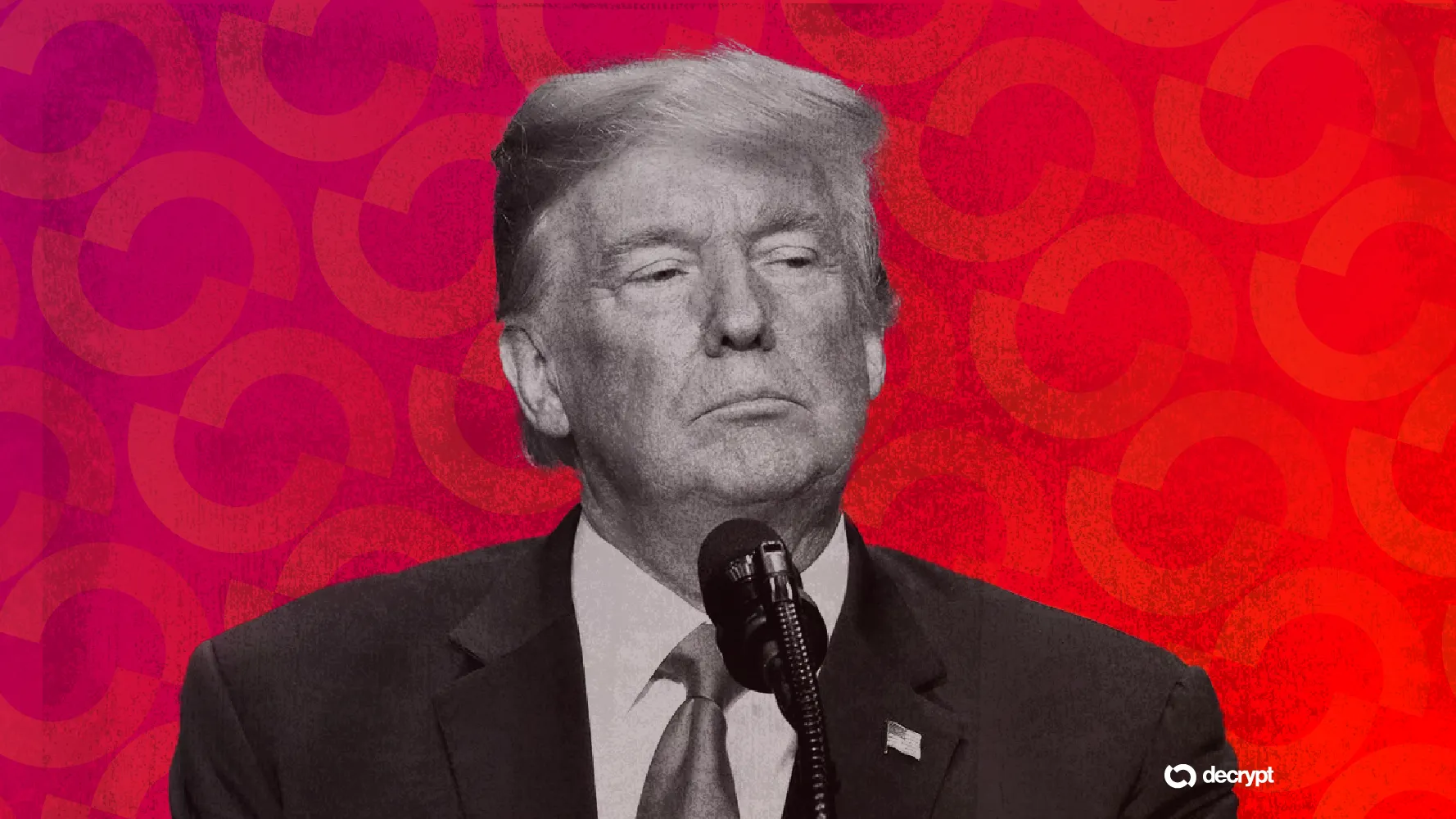
During a recent interview, Trump stated he would not consider a pardon for Bankman-Fried, drawing a clear line despite his administration's broader overtures toward the cryptocurrency sector. This position aligns with sentiments from victims of the FTX collapse, who have voiced strong opposition to any leniency. Trump's decision reflects a distinction between fostering crypto innovation—evidenced by appointments like Paul Atkins to lead the SEC and David Sacks as "crypto czar"—and punishing outright fraud. Bankman-Fried's case remains a landmark for enforcement, with the Southern District of New York prosecutors securing convictions that highlighted risks in centralized exchanges.
Simultaneously, the privacy-focused side of crypto faced renewed attention through Buterin's public backing of Roman Storm. Storm, a key developer behind Tornado Cash—a decentralized protocol designed to enhance Ethereum transaction privacy through zero-knowledge proofs—was convicted in August 2025 of one count: operating an unlicensed money-transmitting business. The jury deadlocked on two additional money laundering conspiracy charges, leaving open the possibility of a retrial. Tornado Cash gained notoriety after the U.S. Treasury Department sanctioned it in August 2022 for allegedly facilitating over $7 billion in illicit transactions, including by North Korea's Lazarus Group hackers.
Buterin, in a statement covered by Cointelegraph on January 9, 2026, reaffirmed his support for Storm, arguing that privacy is a fundamental right in blockchain ecosystems. "Privacy is a human right, and tools like Tornado Cash are essential for protecting users from surveillance," Buterin has previously contended, framing the case as a test of whether developers can build open-source software without criminal liability. Storm's trial, which began in September 2024 after his 2023 arrest, has pitted free speech and code-as-speech arguments against government claims of aiding criminal enterprises. Defense attorneys successfully argued that the protocol's decentralized nature absolved Storm of direct control, leading to the partial hung jury.
These cases highlight persistent tensions in the U.S. regulatory landscape for blockchain. The Department of Justice's aggressive pursuit of crypto-related crimes—over 400 convictions since 2021—contrasts with emerging policy shifts under the Trump administration, which has pledged to end "Operation Chokepoint 2.0" and promote stablecoin legislation. Tornado Cash's sanctions marked the first time the Treasury targeted open-source code, sparking debates in Congress and among developers about overreach.
Market and Regulatory Context
The crypto market has shown resilience amid these legal headlines, with Bitcoin trading around $95,000-$100,000 in early 2026, buoyed by ETF inflows exceeding $50 billion and institutional adoption. Ethereum, central to the Tornado Cash debate, hovers near $4,000, supported by layer-2 scaling advancements. However, regulatory uncertainty persists: the SEC's ongoing cases against exchanges like Coinbase and Binance underscore enforcement priorities, even as Trump's team signals deregulation.
Storm's conviction and potential retrial could influence developer activity on Ethereum, where privacy tools like zk-SNARKs underpin DeFi and Web3 applications. Meanwhile, Bankman-Fried's appeal process, expected to extend into 2026, serves as a cautionary tale for centralized platforms, reinforcing calls for self-custody and decentralized alternatives.
Outlook
As these legal threads unfold, they will shape the boundaries of crypto innovation in the U.S. Trump's refusal to pardon Bankman-Fried signals zero tolerance for fraud, potentially restoring investor confidence eroded by FTX's fallout. Buterin's advocacy for Storm amplifies a growing chorus for privacy protections, possibly influencing future Treasury or congressional actions on mixers and DeFi. With a crypto-friendly administration taking shape, the industry awaits clarity on how enforcement balances with growth, amid expectations for pro-innovation bills like the FIT21 Act and stablecoin frameworks.
(Word count: 712)