
Trump Projects $600 Billion Tariff Windfall for U.S. Amid Supreme Court Showdown and Media Clash
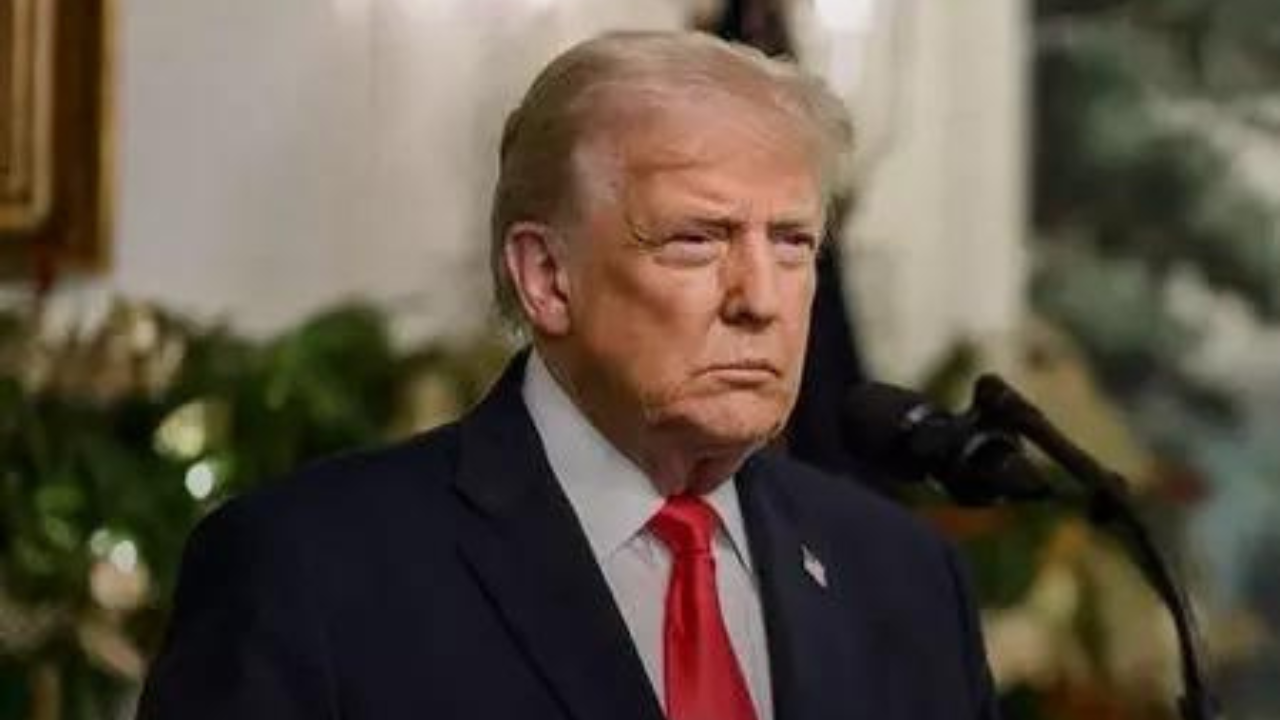
Washington, D.C. – President Donald Trump asserted on Monday that the United States stands to gain $600 billion in tariff revenues "soon," framing the policy as a cornerstone of national security while launching sharp criticism at what he called the "fake news media" for ignoring the development.
Speaking amid anticipation for a pivotal Supreme Court decision on tariff-related matters, Trump described the impending collections as a sign of American strength "stronger than ever." According to reports from Times of India and Newsmax, the president highlighted the economic and security benefits of the tariffs, which he has long championed as a tool to protect domestic industries and counter foreign trade practices. He accused media outlets of disrespecting the U.S. by downplaying the revenue projections and smearing the administration's efforts.
The remarks come at a tense moment for U.S. trade policy. Trump specifically referenced an ongoing Supreme Court case, labeling it "one of the most important decisions ever" due to its implications for national security. While details of the case were not elaborated in the statements, it appears tied to legal challenges against the administration's expansive tariff regime, which has targeted imports from key trading partners like China, Mexico, and Canada.
Tariff Policy Under Scrutiny
Trump's comments reflect his administration's aggressive push on tariffs since returning to the White House in 2025. During his first term (2017-2021), Trump imposed tariffs on billions in goods, sparking a trade war with China that led to both economic disruptions and renegotiated deals like the U.S.-Mexico-Canada Agreement (USMCA). In his second term, tariffs have expanded, with recent measures including up to 60% on Chinese imports and 25% on steel and aluminum from various nations.
Proponents argue these policies generate revenue, protect jobs in manufacturing sectors, and pressure adversaries on issues like intellectual property theft and unfair subsidies. The $600 billion figure cited by Trump would represent a massive influx, potentially dwarfing previous collections. For context, U.S. Customs and Border Protection reported about $80 billion in tariff revenues in fiscal year 2019 at the height of the first-term trade actions, with numbers fluctuating based on import volumes and exemptions.
Critics, including many economists, contend that tariffs function as a tax on American consumers and businesses, raising costs for goods from electronics to automobiles. Studies from institutions like the Peterson Institute for International Economics have estimated that first-term tariffs cost U.S. households an average of $800 annually. The Supreme Court case could determine the legality of certain executive actions under national security pretexts, invoking Section 232 of the Trade Expansion Act of 1962, which allows tariffs in cases deemed vital to defense.
Media Feud Escalates
A recurring theme in Trump's address was his rebuke of the press. He claimed the media "hate and disrespect" the U.S. for failing to report on the tariff successes, reiterating his long-standing "fake news" narrative. Newsmax quoted Trump hailing the tariffs as "vital for security," while emphasizing the media's alleged bias in coverage. This exchange underscores ongoing tensions between the administration and mainstream outlets, which Trump has frequently accused of underreporting economic achievements.
The statements were made public on January 5, 2026, just days into the new year, amid broader economic discussions. U.S. markets have shown mixed reactions to tariff news; the Dow Jones Industrial Average dipped slightly on Monday, reflecting investor concerns over potential retaliatory measures from trading partners.
Background on U.S. Tariff Landscape
Tariffs have been a hallmark of Trump's economic nationalism. Post-2024 election, the administration ramped up enforcement, collecting tens of billions annually. The projected $600 billion – if realized – could fund infrastructure, tax cuts, or debt reduction, aligning with Republican priorities. However, implementation depends on the Supreme Court's ruling, expected soon, which could affirm or limit presidential authority.
Global trade bodies like the World Trade Organization have criticized U.S. actions as protectionist, leading to disputes and countermeasures. China, for instance, maintains retaliatory tariffs on U.S. agricultural exports, impacting farmers despite government aid programs.
As the Supreme Court deliberates, stakeholders from industry groups to foreign governments watch closely. Business lobbies like the U.S. Chamber of Commerce have urged moderation, warning of inflation risks, while labor unions support tariffs for job preservation.
Trump's optimism signals confidence in the policy's trajectory, positioning tariffs not just as economic tools but as bulwarks against geopolitical threats. The outcome of the court case will shape the U.S. economy's path in 2026 and beyond, with potential ripple effects on global supply chains and inflation rates.
(Word count: 612)