
Trump Delays Tariffs on Furniture and Cabinets Amidst Shifting Geopolitical Landscape
In a recent decision, President Donald Trump announced a one-year delay in the implementation of increased tariffs on upholstered furniture, kitchen cabinets, and vanities. This move, which could significantly impact American consumers and manufacturers, comes at a time of heightened scrutiny over U.S. trade policies and their implications for domestic industries.
The announcement was made on January 1, 2026, as part of Trump's ongoing efforts to navigate the complexities of international trade relations. The delay aims to alleviate potential economic strain on consumers who have already been facing rising costs due to inflation. Industry experts have expressed concerns that the tariffs, if implemented, could lead to increased prices for everyday household items, making them less accessible for average Americans.
Trade tensions between the U.S. and various nations have been a hallmark of Trump's presidency, culminating in a series of tariffs that have affected numerous sectors. The furniture and cabinetry industries, which rely heavily on imports, have been particularly vulnerable. By postponing these tariffs, the administration appears to be balancing the need for protective trade measures with the economic realities faced by American consumers.
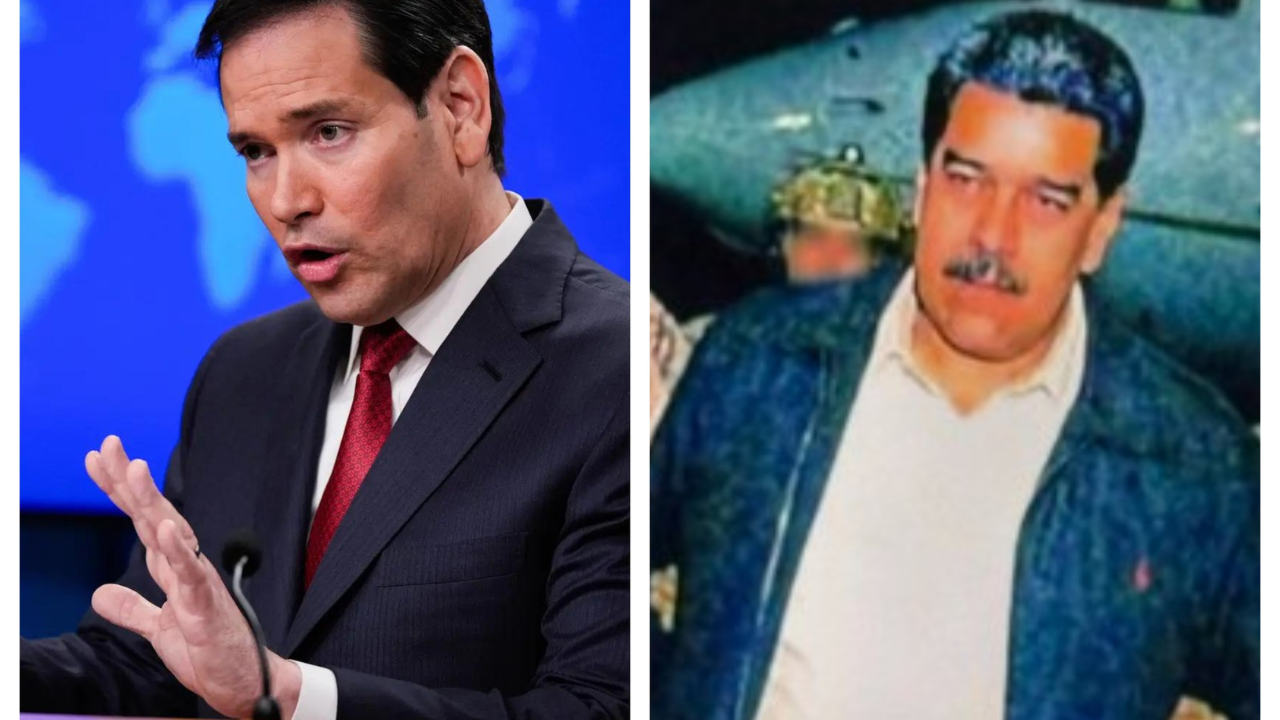
In a related geopolitical context, recent developments in Venezuela have also emerged as a focal point for U.S. foreign policy. Following the custody of Venezuelan President Nicolás Maduro in the United States, Republican Senator Marco Rubio indicated that there would be no further action regarding Venezuela from the U.S. government. This decision reflects a significant shift in U.S. strategy towards the crisis in Venezuela, suggesting a potential de-escalation of tensions in the region.
The U.S. has long been critical of Maduro's regime, which it has accused of human rights abuses and economic mismanagement. With Maduro's current situation, U.S. policymakers are now faced with the challenge of addressing the complex dynamics in Venezuela while also considering the implications for regional stability and migration.
As these developments unfold, the administration's approach to both domestic trade policies and international relations will likely play a crucial role in shaping the economic and political landscape in the coming year. The delay in tariffs can be seen as an effort to ease domestic pressures, while the decision regarding Venezuela may signal a recalibration of U.S. foreign policy priorities.
The interplay between domestic economic policies and international geopolitical strategies is increasingly relevant as the U.S. seeks to navigate a challenging global environment. With ongoing conflicts and tensions around the world, the administration's decisions will be closely watched by both allies and adversaries alike.
The implications of these recent announcements will likely resonate beyond U.S. borders, influencing trade relationships and international perceptions of U.S. leadership. As Trump continues to assert his administration's priorities, the balance between protecting American interests and engaging with the global community remains a complex and evolving challenge.