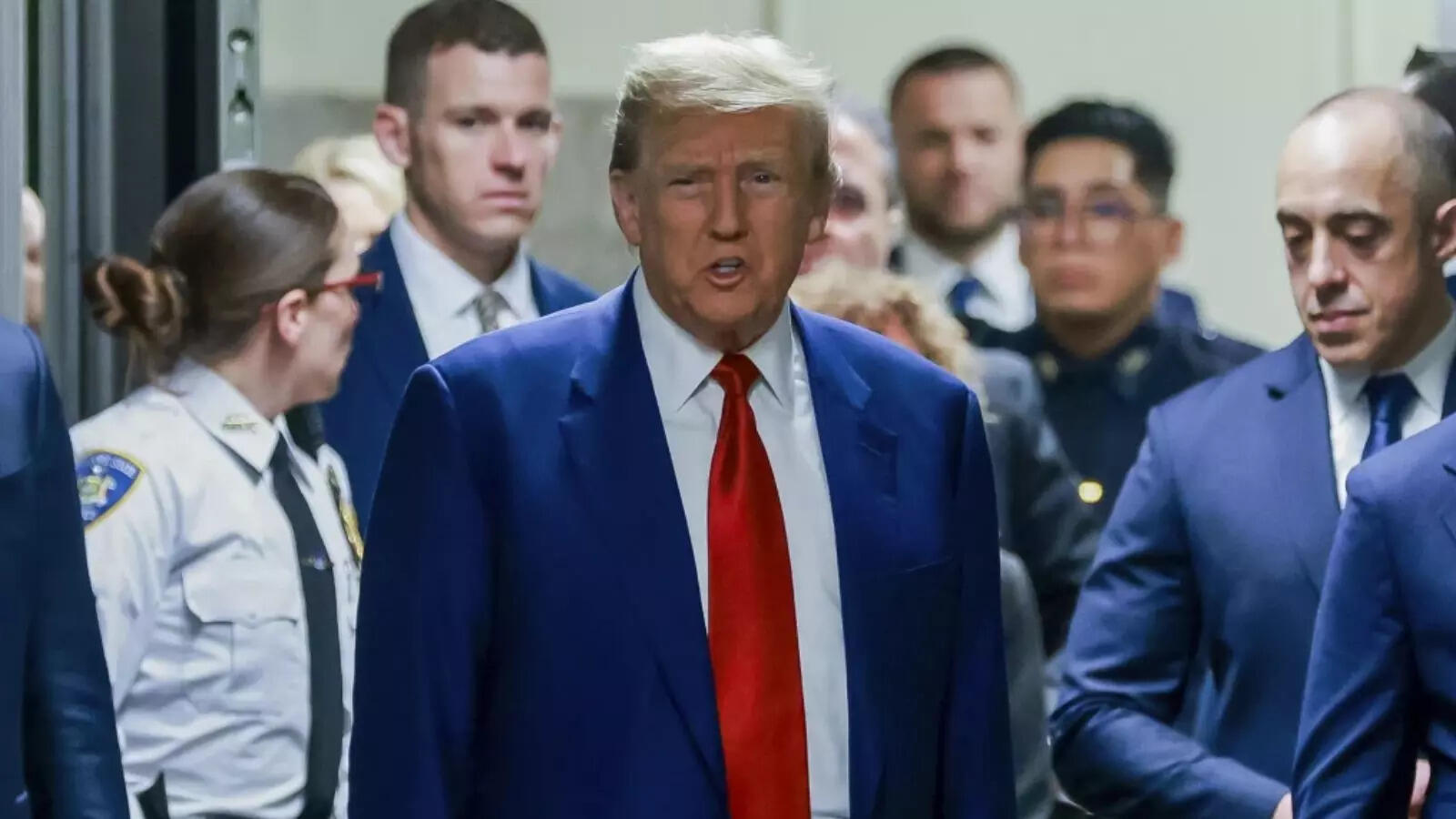

Trump Delays Tariffs Amid Escalating Global Tensions
In a significant move, President Donald Trump announced a one-year delay in the implementation of increased tariffs on upholstered furniture, kitchen cabinets, and vanities, a decision that could have substantial implications for the U.S. economy and trade relationships, particularly with China. This announcement comes against a backdrop of rising geopolitical tensions, especially regarding Iran and national security concerns surrounding semiconductor technology.
Tariff Delay and Economic Implications
The delay, confirmed on January 1, 2026, reflects the administration's attempt to mitigate potential inflationary pressures and supply chain disruptions that could arise from immediate tariff increases. The original tariffs were intended to counteract what the administration viewed as unfair trade practices by foreign manufacturers, notably in China. However, the decision to postpone these tariffs suggests a strategic pivot, aiming to stabilize the domestic market in light of ongoing economic fluctuations.
National Security Concerns
In addition to the tariff delay, President Trump has been active on multiple fronts concerning national security. On January 2, the president ordered a divestment in a $2.9 million semiconductor deal involving Emcore Corporation, citing national security risks associated with foreign ownership of critical technology assets. This decision reverses a previously approved agreement and underscores the administration's heightened vigilance regarding foreign investments, particularly those linked to China. Trump stated that the move is essential to protect U.S. interests and maintain technological superiority.
Furthermore, the administration's response to potential unrest in Iran has intensified. Trump issued a stark warning that the U.S. is "locked and loaded" should Iran take violent action against protesters. This statement signals a firm stance against Tehran amid escalating tensions, raising concerns about the possibility of military involvement if the situation deteriorates.
Broader Geopolitical Context
The recent decisions by the Trump administration come at a time when global tensions are rising, particularly in relation to U.S. strategies involving Israel, Iran, and China. Analysts suggest that the U.S. approach could risk a multi-front conflict, as indicated in reports discussing potential military confrontations involving these nations. The strategic alliances and hostilities in the Middle East, as well as the ongoing trade disputes with China, create a complex and precarious geopolitical landscape.
The U.S.-Israel Relationship
The U.S.-Israel relationship remains a focal point of Trump's foreign policy, with implications for regional stability. The administration's actions may provoke reactions from Iran and its allies, potentially escalating conflicts further. Observers warn that a miscalculation could lead to significant military engagements, further complicating an already volatile situation.
Conclusion
As the Trump administration navigates these multifaceted challenges, the delay in tariffs presents a tactical decision aimed at stabilizing the economy while simultaneously addressing pressing national security concerns. The implications of recent actions—from tariff policies to military posturing against Iran—will likely resonate across the globe, influencing not only trade but also the broader geopolitical landscape. The administration's next steps will be crucial in determining the U.S.'s standing on the world stage amidst rising tensions.






