Trump Administration's Geopolitical Moves Stir Global Tensions: Climate Exit, African Travel Bans, and Venezuela Spark China Debates

Latest from X
Trump Administration's Geopolitical Moves Stir Global Tensions: Climate Exit, African Travel Bans, and Venezuela Spark China Debates
Washington, DC – In a series of aggressive foreign policy actions, the Trump administration has withdrawn the United States from the India-led International Solar Alliance, imposed sweeping travel restrictions on over half of Africa's nations, and taken steps against Venezuela that have ignited congressional debates over parallels to potential Chinese aggression toward Taiwan. These developments, unfolding rapidly in early January 2026, underscore a return to "America First" priorities, prioritizing national security and economic sovereignty amid strained international relations.
The U.S. exit from the International Solar Alliance (ISA), announced on January 8, marks a sharp pivot away from multilateral climate initiatives. The ISA, co-founded by India and France in 2015, aims to promote solar energy adoption among 121 member countries, particularly in the Global South. Posts circulating on X (formerly Twitter) on January 8 described the move as part of a broader withdrawal from 66 international bodies, with President Trump labeling them "bad deals." While unconfirmed by official White House statements at the time of reporting, the decision aligns with the administration's skepticism toward global pacts perceived as disadvantageous to U.S. interests. This comes as global temperatures continue to rise, with 2025 marking another year of heat records and extreme weather events, including devastating floods in South Asia and Africa.
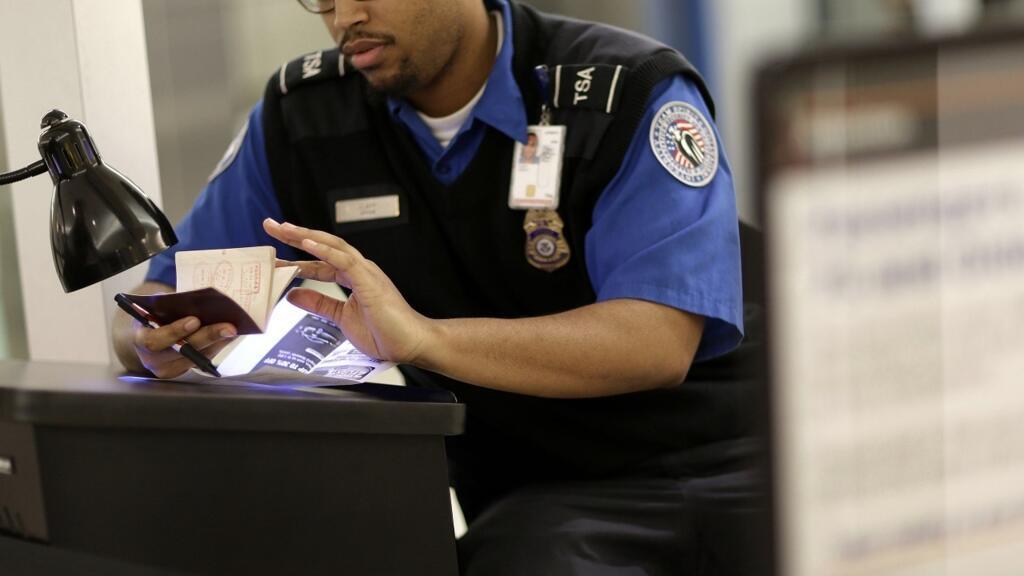
In parallel, the administration has escalated travel restrictions targeting Africa, affecting 36 of the continent's 54 countries. According to RFI reporting, these measures include outright bans or stringent visa bonds, framed by President Trump as essential for national security and curbing visa overstays. Countries such as Afghanistan, Burma (Myanmar), Chad, Republic of the Congo, Equatorial Guinea, Eritrea, Haiti, Iran, Libya, Somalia, Sudan, and Yemen feature prominently in recent announcements, many with significant African representation. The policy echoes Trump's first-term "Muslim Ban," which was upheld by the Supreme Court in 2018 after legal challenges. African nations now bear the brunt, comprising over two-thirds of the targeted list. Critics argue this isolates the U.S. from key emerging markets and humanitarian partners, while supporters highlight data on overstays and terrorism risks. Social media sentiment on X reflects polarized views, with some praising the bans as protective—"We will not let what happened in Europe happen to America"—and others decrying diplomatic fallout, including reported visa denials and tariffs on allies like South Africa.
Compounding these shifts, a recent U.S. action against Venezuela has fueled bipartisan concerns in Congress about signaling weakness to China regarding Taiwan. Fox News reports that during a House Foreign Affairs Committee hearing, Rep. Gregory Meeks (D-NY) warned that Beijing could exploit U.S. military involvement in Venezuela to justify aggression toward Taiwan. Lawmakers debated the distinctions: Venezuela's crisis stems from the Maduro regime's authoritarianism, economic collapse, and alleged narco-trafficking ties, prompting U.S. sanctions, asset freezes, and possible covert operations. Meeks highlighted how China might draw false equivalences, viewing U.S. intervention in Latin America as precedent for its Taiwan claims. Republican members countered that robust action against adversaries like Venezuela deters aggressors, aligning with Trump's doctrine of strength through unpredictability. The debate occurs amid heightened U.S.-China rivalry, including trade wars, South China Sea disputes, and Taiwan arms sales.
Background and Context
These moves fit a pattern in Trump's second term, which began in January 2025. The ISA withdrawal reverses U.S. participation under President Biden, who joined in 2021 to bolster climate diplomacy post-Paris Agreement. Historically, the U.S. has oscillated on climate commitments—exiting Paris under Trump in 2017, rejoining under Biden, and now pulling back again—reflecting domestic political divides. Travel bans build on executive orders from 2017, expanded iteratively based on vetting data from the Department of Homeland Security.
Venezuela remains a flashpoint since the 2019 recognition of Juan Guaidó as interim president, with over 7 million refugees and U.S. oil sanctions crippling Maduro's economy. Taiwan comparisons evoke 2022-2023 Pelosi's visit and Chinese military drills, where U.S. resolve was tested. Broader geopolitics involve a multipolar world: India's rising solar leadership challenges U.S. clean energy dominance, African resource rivalries pit Washington against Beijing's Belt and Road investments, and Latin American stability affects migration flows to the U.S. border.
Outlook
Analysts anticipate legal challenges to the travel bans, similar to past iterations, and diplomatic pushback from the African Union. The ISA exit may accelerate Global South pivots toward BRICS frameworks, diminishing U.S. influence in renewables. On Venezuela, congressional hawks push for escalated measures, but risks of escalation with China loom large. As Trump prepares for upcoming summits, these policies signal a transactional approach: alliances on U.S. terms or none at all. Global partners watch closely, weighing cooperation against confrontation in an era of renewed great-power competition.
(Word count: 712)
Track this story live
Live World Map
Monitor global events in real time with a live activity map and hotspot summaries.
Markets
Connect live events to Catalyst market signals across crypto, commodities, indices, and forex.
Geopolitical Risk
Live geopolitical risk index tracking conflict zones, sanctions, and global threat levels.
Original Sources
- •
- •
Editorial process: This article was synthesized from the original sources cited above using The World Now's AI editorial system, with byline accountability from our editorial team. We grade every story for source grounding, factual coherence, and on-topic match before publication. Read more about our editorial standards and contributors. Spot something inaccurate? Let us know.
Last updated: March 7, 2026






