
Trump Administration Faces Domestic and Geopolitical Challenges
As 2026 unfolds, President Donald Trump is navigating a complex landscape of domestic and international issues, making significant adjustments to his administration's policies. Recently, he has announced a delay in tariffs on furniture and cabinets and canceled National Guard deployment plans in several major cities, while concurrently engaging in high-stakes discussions regarding foreign policy.
In a move that has drawn attention from both industry stakeholders and policymakers, President Trump announced on January 1, 2026, that the implementation of increased tariffs on upholstered furniture, kitchen cabinets, and vanities will be postponed for one year. This decision appears to be a strategic effort to alleviate financial pressures on consumers and businesses, particularly amid ongoing economic recovery efforts. The tariffs, which were initially intended to bolster domestic manufacturing, have faced criticism for potentially leading to increased prices for consumers.
Simultaneously, Trump has canceled plans to deploy National Guard troops in urban centers such as Los Angeles, Chicago, and Portland. This decision, announced on December 31, 2025, highlights the political and legal challenges he faces in implementing his crime policies. The announcement follows months of discussions about utilizing the National Guard to address rising crime rates, particularly in Democrat-led cities. Critics have argued that such deployments could lead to increased tensions and have questioned the efficacy of military involvement in domestic law enforcement.
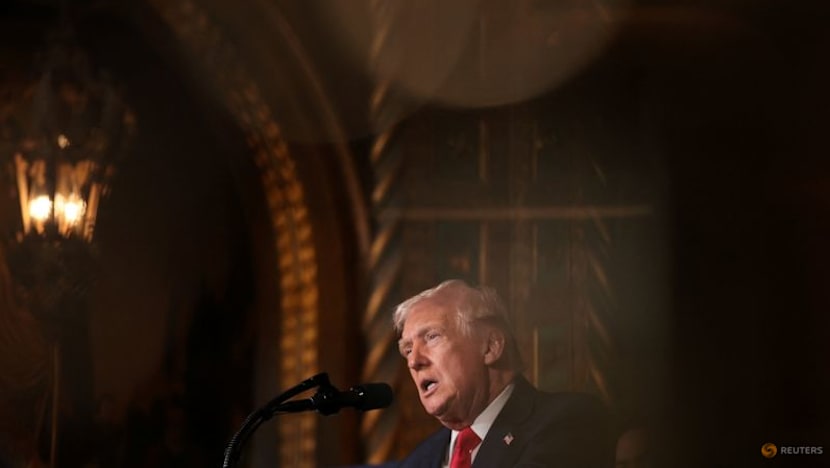
In the realm of foreign policy, Trump has been vocal about his stance on Iran. During a recent press conference, he warned that the United States would intervene if Iran were to harm protesters. This statement underscores the administration's readiness to engage militarily or diplomatically in the Middle East, particularly as tensions continue to escalate in relation to Iran's domestic policies and its influence in regional conflicts.
Additionally, Trump has been actively engaged in discussions regarding the ongoing Russia-Ukraine war. On December 29, 2025, he hosted Ukrainian President Volodymyr Zelensky in Florida, where the two leaders discussed a draft peace framework that reportedly has reached a "90% agreement." Zelensky emphasized the need for long-term security guarantees from the U.S., seeking commitments that could extend up to 50 years, a significant increase from the previously discussed 15-year timeline.
Moreover, Trump's recent meeting with Israeli Prime Minister Benjamin Netanyahu has also drawn attention. While discussing the next phase of the Gaza plan and the situation with Hamas, Trump expressed concerns about Netanyahu's ongoing legal issues, which complicate the U.S.-Israel relationship. This meeting reflects Trump's continued focus on Middle Eastern geopolitics, particularly amidst the ongoing Israel-Gaza conflict that has escalated since October 2023.
These developments highlight a pivotal moment for the Trump administration as it grapples with both domestic policy challenges and complex international relationships. The delayed tariffs and the cancellation of National Guard deployments indicate a recalibration of priorities, while Trump's engagement in foreign policy reflects an ongoing commitment to asserting U.S. influence on the global stage.
As 2026 progresses, the implications of these decisions will likely resonate across various sectors—economically, politically, and socially—shaping the trajectory of the Trump administration and influencing the broader geopolitical landscape.






