
Tragedy in the Skies: Analyzing the Bolivian Military Cargo Plane Crash and Its Implications
Overview of the Incident
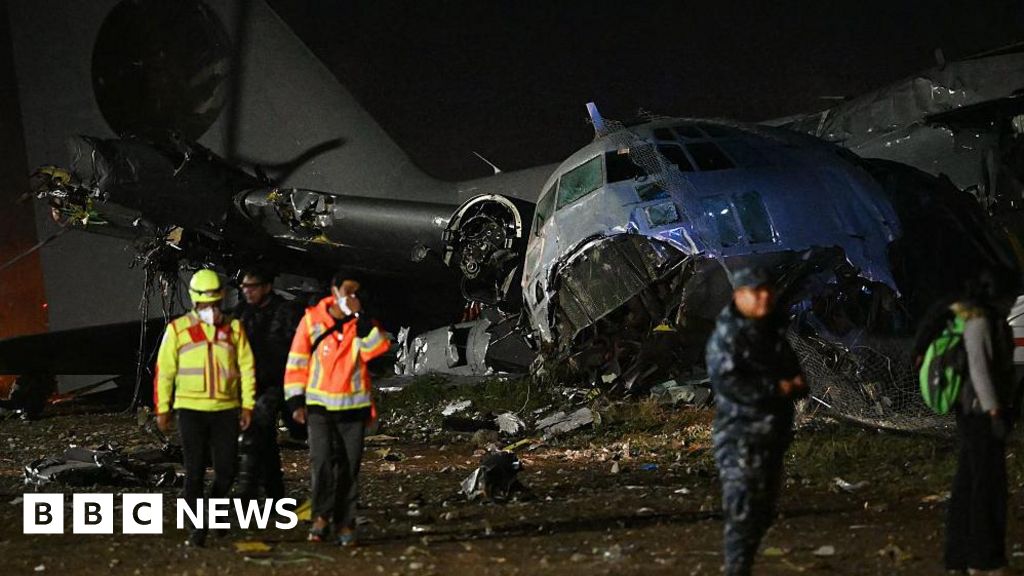
At least 11 people were killed when a Bolivian military cargo plane, a Lockheed C-130 Hercules, crashed shortly after takeoff from El Alto International Airport near La Paz on Wednesday. The aircraft was transporting military personnel and equipment to Trinidad when it lost power and spiraled into a mountainous area. Eyewitnesses reported seeing smoke trailing from the engines before the plane went down. Military officials have confirmed the casualties, with all aboard presumed dead, and investigations are underway to determine the cause, which may involve mechanical failure.
Context of Bolivia's Military Aviation
Bolivia's military aviation has a troubling history, marked by repeated crashes attributed to outdated equipment and insufficient maintenance. This incident echoes a previous crash in February 2026, which killed 12 people and was blamed on engine failure due to poor upkeep. A timeline of incidents reveals a pattern of neglect: two fatal helicopter crashes in 2018, a training jet crash in 2022, and the 2026 event that temporarily grounded the fleet. Decades of underfunding, particularly following nationalizations in the 2000s, have left Bolivia reliant on Cold War-era U.S. surplus planes without modern upgrades, leading to a concerning state of military readiness.
Implications for Regional Security
This crash raises serious concerns about Bolivia's military aviation safety standards, which fall short of international benchmarks like FAA or ICAO protocols. The Fuerza Aérea Boliviana (FAB) operates with a fleet readiness rate of only 70%, and pilots average just 150 flight hours annually, significantly lower than NATO standards. Potential lapses in maintenance, particularly on the aging C-130 fleet, could jeopardize Bolivia's role in regional security efforts, including joint exercises with Brazil and Peru aimed at combating narcotrafficking. This incident could strain U.S.-Bolivia relations, especially under current anti-drug agreements, and signal operational fragility amid President Arce's economic challenges.
Public Reaction
The tragedy has sparked widespread grief and criticism on social media. Bolivian user @AeroBolivia lamented, "Another FAB tragedy—when will they retire these flying coffins? #BoliviaPlaneCrash," which resonated with thousands. Aviation expert @AviationSafetyLatAm highlighted the ongoing neglect, stating, "Pattern of neglect: 2026 crash unheeded. ICAO audit overdue." President Luis Arce expressed condolences and promised a thorough investigation, while opposition leader Evo Morales labeled the incident as "preventable negligence," intensifying political tensions.
Looking Ahead
In the wake of this tragedy, a comprehensive fleet-wide audit is anticipated, with discussions around phasing out the C-130s and implementing stricter oversight reforms. International assistance from the U.S. or Venezuela may be sought, but operational delays are likely to persist into 2024. Additionally, watch for potential pilot union strikes and budget increases in Congress as the government grapples with the fallout from this incident.
This is a developing story and will be updated as more information becomes available.