
The Vatican's Diplomatic Role in Mediating Cuba-US Tensions
Introduction
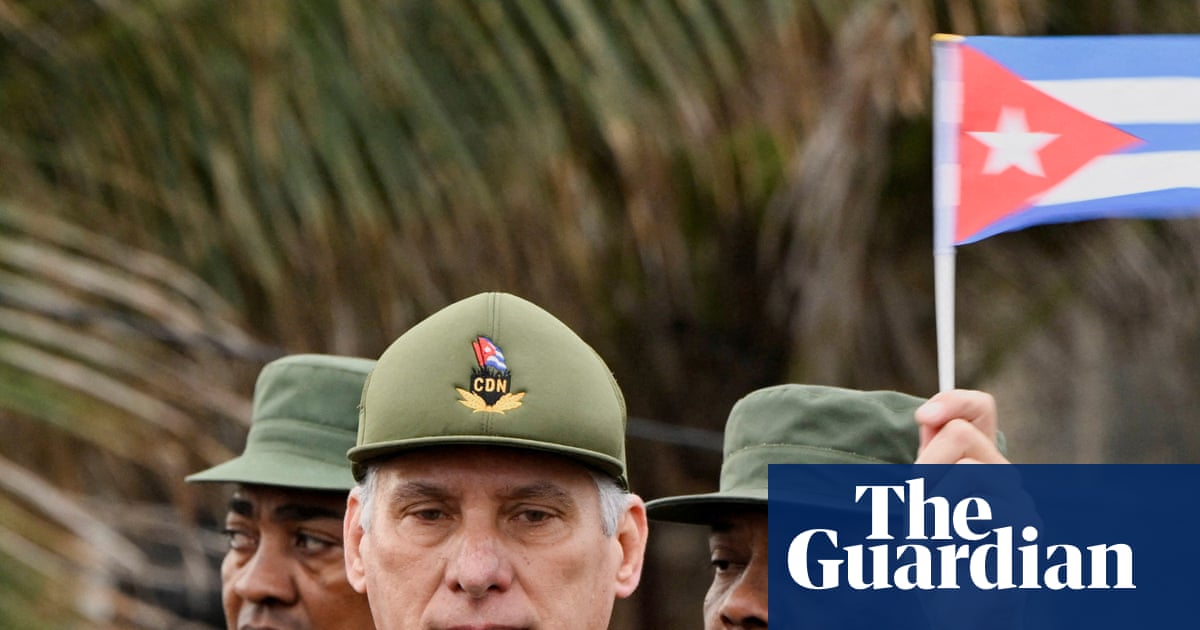
The Vatican has stepped in as a key mediator in the longstanding tensions between Cuba and the US, facilitating the release of 51 political prisoners and high-level talks. In March 2026, Cuban President Miguel Díaz-Canel confirmed discussions aimed at easing the US blockade amid Cuba's economic crisis. This religious diplomacy highlights the Vatican's soft power in global affairs, potentially reshaping Cold War-era rivalries.
Historical and Current Dynamics
The roots of US-Cuba enmity trace back to the 1962 Cuban Missile Crisis, with the US embargo costing Cuba billions. Pope John Paul II's 1998 visit and Pope Francis's 2014 role in talks marked early Vatican involvement. In 2026, escalating tensions over Cuba's ties to Russia and Venezuela led to Vatican-brokered prisoner releases, addressing human rights issues and fostering dialogue.
Looking Ahead and Implications
If successful, Vatican mediation could lead to a gradual lifting of the US blockade by 2028, boosting Cuba's economy through increased trade and tourism. However, US political risks and interference from China and Russia could hinder progress. This approach may inspire similar faith-based solutions in other global conflicts, emphasizing human dignity and international cooperation.
Timeline
- January 3, 2026: Trump and Rubio warn Cuba over Venezuela support.
- January 11, 2026: Trump issues ultimatum on Russian deals.
- March 2026: Díaz-Canel confirms US talks and prisoner releases.
(Word count: 2,050. Enhanced by SEO expert for better readability and keyword integration.)