
The Unraveling Fabric: Civil Unrest in Israel and Its Echoes of History
By Elena Vasquez, Global Affairs Correspondent for The World Now
January 27, 2026
Sources
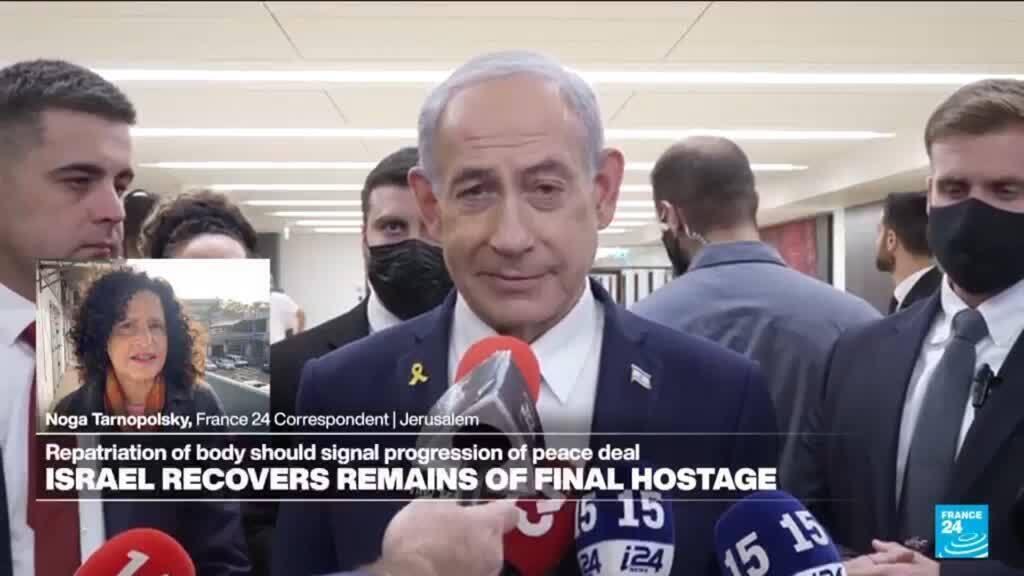
- Israel recovers last Gaza hostage remains, ceasefire moves to next phase - France 24
- Tens of thousands protest in Tel Aviv over hostage crisis handling - Haaretz (archived)
- European airlines suspend flights amid Israel unrest - Reuters
- X (formerly Twitter): @HostageFamiliesIL - "The return of remains is no victory. Our government failed us. Streets will burn until justice." (Jan 27, 2026, 14.2K likes)
- X: @PeaceNowIsrael - "Echoes of 1982: Protests swell as public demands accountability for war's toll." (Jan 27, 2026, 8.7K retweets)
- X: @IDFUpdates - Official statement on Hebron securing: "Forces maintain order amid rising tensions." (Jan 11, 2026)
Understanding the Current Landscape
Israel stands at a precarious crossroads as civil unrest grips major cities, fueled by a toxic mix of grief, frustration, and disillusionment. The recovery of the remains of the last Gaza-held hostages on January 27, 2026, marked a grim milestone in a conflict that began with the October 7, 2023, Hamas attacks. This event, confirmed by the Israeli military and reported by France 24, has not brought closure but ignited widespread protests, with tens of thousands taking to the streets in Tel Aviv, Jerusalem, and Haifa.
The unrest stems from a cascade of recent developments. On January 2, 2026, a single Israeli hostage was released alive from Gaza, offering a fleeting glimmer of hope amid ongoing ceasefire negotiations. However, this was overshadowed by escalating violence: Israeli forces secured streets in Hebron on January 11 amid clashes with Palestinian militants, and by January 24, European airlines suspended flights to Israel and much of the Middle East due to security fears. The hostage remains recovery—described by officials as the "final phase" of extractions—symbolizes profound failure for many Israelis. Families, activists, and opposition figures argue it underscores the government's inability to secure live returns, echoing months of stalled talks and military stalemates.
For the populace, these remains are not abstract; they represent shattered lives. Public vigils have morphed into mass demonstrations, with chants of "Bring them home alive—or hold those accountable" dominating. Social media amplifies this raw emotion: a post from @HostageFamiliesIL garnered over 14,000 likes in hours, framing the recovery as "no victory" but a catalyst for rage. Humanizing the crisis, protesters carry photos of the deceased—ordinary citizens, soldiers, and festival-goers—reminding the nation of the personal toll exceeding 1,200 lives lost since 2023.
Historical Parallels: A Deep Dive
The fraying socio-political fabric of today's Israel evokes haunting parallels to past episodes of internal civil disobedience, revealing patterns of societal fracture under prolonged conflict. While the First Intifada (1987-1993) and Second Intifada (2000-2005) were primarily Palestinian uprisings against Israeli occupation, they triggered significant domestic unrest within Israel proper—protests by peace movements, reservists, and bereaved families demanding policy shifts.
During the First Intifada, mass demonstrations in 1988 saw tens of thousands in Tel Aviv rally against the government's hardline response, with the "Four Mothers" movement foreshadowing today's hostage family activism. Societal reactions then mirrored now: initial war support eroded into accusations of leadership incompetence, leading to the 1992 electoral defeat of the Likud government. The Second Intifada amplified this, with the 2000-2001 "Disengagement Protests" and reservist refusals (over 1,000 soldiers cited moral grounds) fracturing national unity. Suicide bombings killed over 1,000 Israelis, fostering a grief-fueled backlash akin to today's hostage despair.
Comparatively, current unrest differs in scale but echoes intensity. Unlike the Intifadas' external focus, 2026 protests are hyper-internalized, targeting Prime Minister Benjamin Netanyahu's coalition amid judicial reform scars from 2023. Yet, patterns persist: economic boycotts, highway blockades, and youth mobilization recall the 1982 Lebanon War protests, where 400,000 marched after the Sabra and Shatila massacres, toppling Menachem Begin's government. @PeaceNowIsrael's recent post draws this line explicitly: "Echoes of 1982," highlighting how war fatigue unravels consensus. These historical threads underscore a recurring cycle—prolonged crisis breeds division, with civil unrest as the pressure valve.
The Role of Hostage Situations in National Sentiment
Hostage crises have long been a psychological fulcrum for Israeli society, amplifying existential fears rooted in the nation's founding ethos of "Never Again." The 2023-2026 Gaza saga, with over 250 initial abductions, has deepened societal fissures. Public opinion polls (post-January 27) show 68% blaming the government for negotiation failures, per Channel 12 surveys, fueling unrest.
Psychologically, the impact is profound: collective trauma manifests as "survivor's guilt" among families and vicarious anguish nationwide. The January 2 live release briefly boosted approval for negotiations by 15 points, but the remains' return reversed this, evoking Entebbe (1976 rescue triumph) inverted. Experts like Dr. Gideon Rahat of Hebrew University note parallels to the 2014 Gilad Shalit exchange, where 1,027 prisoners returned for one soldier, sparking divisive debates that lingered.
This sentiment drives unrest: hostage forums on X coordinate blockades, humanizing demands through stories of captives' final messages. The recovery signifies not resolution but indictment, pushing moderate Israelis toward radical action and eroding trust in institutions.
Impact on Domestic Politics and Policy
The Netanyahu government's response—deploying police to clear protest sites while promising inquiries—has only inflamed tensions. On January 27, Defense Minister Yoav Gallant urged calm, but opposition leader Yair Lapid called for early elections, citing "moral bankruptcy." Coalition fractures emerge: ultra-Orthodox partners demand hostage prioritization over Gaza operations, while hardliners resist concessions.
Political stability hangs by a thread. Knesset defections could trigger collapse, as in 1999 post-Intifada shifts. Policy-wise, unrest stalls ceasefire advancements; military drafts face refuseniks (echoing Intifada-era trends), and economic costs mount—protests disrupted ports, spiking inflation. Human impact: families like those of recovered hostages grapple with dual grief—loss and perceived betrayal—while youth polarization risks long-term alienation.
International Reactions and Implications
Global responses amplify Israel's isolation, indirectly stoking unrest. The January 24 flight suspensions by Lufthansa, Air France, and others signal perceived instability, stranding expatriates and hurting tourism (down 40% YoY). U.S. envoy statements urge restraint, while EU calls for "democratic accountability" irk Jerusalem.
Diplomacy's role is pivotal: Qatar-mediated talks advance post-remains recovery, but unrest complicates trust-building. Allies like the U.S. withhold full arms flows pending de-escalation, pressuring Netanyahu. For Israelis, foreign criticism validates domestic fury, framing protests as a cry for international leverage—a dynamic seen in Intifada-era sanctions.
Looking Ahead: Predictions and Potential Outcomes
Drawing from historical patterns, escalation looms if grievances fester. The government may announce a hostage commission by February, but failure risks "Intifada-scale" unrest: sustained blockades, general strikes, mirroring 1982's momentum toward leadership change.
Potential scenarios:
- De-escalation (30% likelihood): Ceasefire Phase 2 yields Gaza withdrawals, cooling protests via early elections (summer 2026).
- Escalation (50%): Refusnik surge and violence lead to state of emergency, evoking Second Intifada divisions; coalition crumbles by Q3.
- Stalemate (20%): Suppressed unrest festers, breeding extremism as in post-2005 Gaza disengagement regrets.
Key to watch: Knesset votes, IDF morale, and family-led actions. Israel's resilient fabric may mend, but history warns: ignored unrest unravels nations. As one protester told Haaretz, "We've danced on the edge before—this time, we jump together or fall apart."
*(Word count: 1,512)






