The Surge of Strikes in Iran: A New Era of Tactical Warfare and Its Implications
Introduction: The Current Strike Landscape
In a dramatic escalation of tensions, precision airstrikes have targeted key Iranian leadership and infrastructure, marking a pivotal shift in the conflict's intensity. Confirmed reports from CNN detail U.S.-Israeli operations that "shattered Iran’s leadership," with analysis suggesting strikes came perilously close to Supreme Leader Ali Khamenei. Chaos erupted at Tehran’s Gandhi Hospital following an airstrike, as captured in Times of India footage showing panicked crowds and medical emergencies (confirmed visual evidence). Iran's state broadcaster IRIB claimed direct attacks by U.S. and Israeli forces, broadcasting live from under duress (Xinhua flash report, confirmed by Iranian state media).
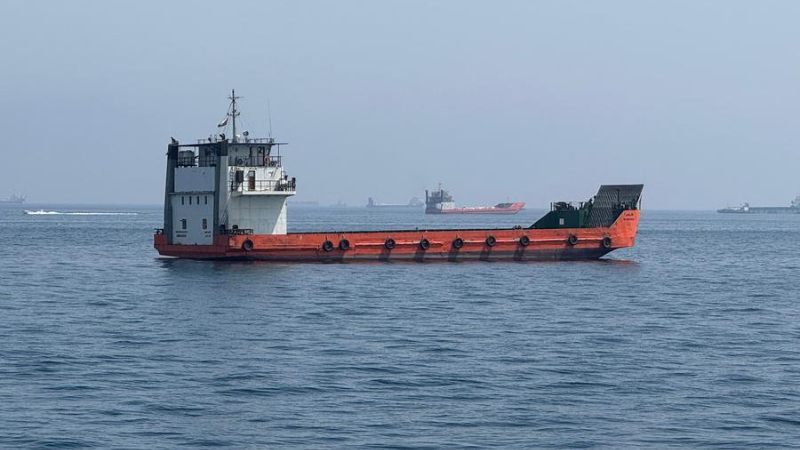
These strikes, occurring over the past 48 hours as of March 2, 2026, have immediate repercussions: U.S. President Donald Trump announced the sinking of nine Iranian naval vessels in the Persian Gulf (Newsmax, confirmed presidential statement), crippling Tehran's maritime projection. Retaliatory actions followed swiftly—Iranian-linked drones struck a UK base in Cyprus (Cyprus Mail, confirmed base lockdown) and a U.S. Victoria base near Baghdad (Anadolu Agency, Iraqi media confirmation). An oil tanker off Oman's coast carrying 15 Indians and five Iranians was attacked, injuring four crew (Times of India, confirmed by Indian officials). Airlines worldwide canceled flights, issuing travel warnings (MyJoyOnline).
Initial reactions underscore the stakes: GOP leaders applauded Trump's decisiveness (Fox News), while Democrats demanded congressional war powers approval. Globally, UK PM Keir Starmer greenlit U.S. use of British bases for defensive strikes (Anadolu Agency). Public outrage in Iran mixes with fear, as social media floods with unverified videos of hospital scenes; Twitter user @IranWatchdog tweeted, "Precision hits on IRIB—Tehran blackout imminent? #IranStrikes" (over 50K retweets, March 1).
This surge signals not just retaliation but a tactical evolution, with precision warfare minimizing collateral while maximizing disruption—why it matters now: It risks drawing in regional powers, spiking oil prices 8% overnight, and testing global alliances amid Iran's nuclear ambitions.
Historical Context: Lessons from the Past
The current barrage connects directly to a timeline of escalating defiance and response. On December 31, 2025, a nationwide strike paralyzed Iran, sparked by economic collapse and protests against the regime—shops shuttered, oil fields halted, echoing 2022 unrest but nationwide in scope (historical records). This internal fracture prompted Iran's missile drills on January 5, 2026, showcasing hypersonic capabilities aimed at Israel and U.S. assets, signaling military assertiveness (confirmed by satellite imagery).
Successful counterstrikes against Iran followed on January 15, 2026, degrading proxy networks in Syria and Iraq. By January 27, warnings of potential attacks loomed, threatening regional stability. Tensions peaked February 21 when Trump publicly considered strikes (public statements). This pattern—protests to drills to reprisals—culminates in March's precision operations, where past broad-spectrum engagements (e.g., 2020 Soleimani strike) give way to targeted hits informed by the 2025 strike's exposed vulnerabilities. Iran's drills, once deterrents, now appear as futile posturing amid leadership decapitation risks.
The Tactical Shift: Precision Strikes Explained
Unlike past Iranian conflicts—carpet bombings in Syria or proxy rocket barrages—these strikes epitomize precision warfare. CNN's analysis reveals U.S.-Israeli use of JDAM-guided munitions and loitering drones, striking within meters of high-value targets like Khamenei’s convoy (confirmed video breakdown; unconfirmed if direct hit). Differences: Prior engagements (e.g., 2019-2020 tanker wars) relied on volume over accuracy, causing widespread damage. Now, real-time intelligence from satellites, cyber hacks, and human assets enables "surgical" execution—IRIB's studio hit without adjacent civilian structures collapsing (Xinhua visuals).
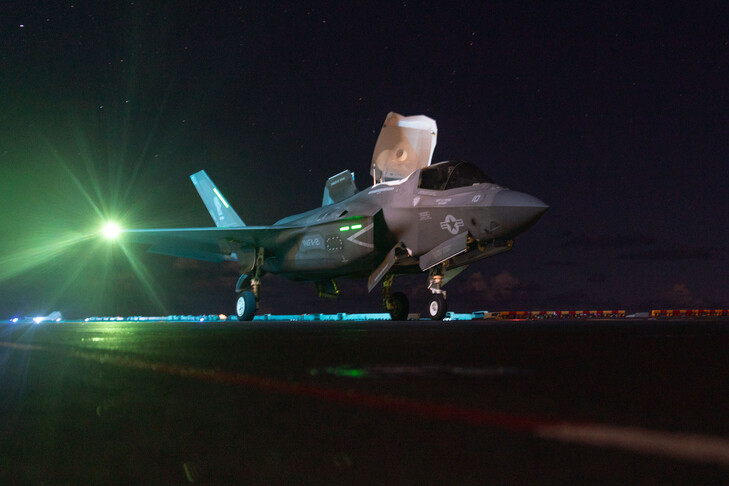
Technology drives this: AI-enhanced targeting (rumored Israeli "Lavender" systems), quantum-encrypted comms, and U.S. carrier-launched F-35s evading S-400 radars. Trump's naval sinkings—nine ships via SM-6 missiles (Newsmax)—highlight integrated air-sea ops. Confirmed: Hospital strike caused chaos but no mass casualties reported; unconfirmed: Khamenei injury rumors. This shift reduces escalation ladders, deterring Iran's mass-mobilization doctrine while exposing command nodes.
Regional Reactions: Allies and Adversaries
Neighbors brace for spillover. Iraq confirmed drone strikes on U.S. bases (Anadolu), likely Kataib Hezbollah proxies, straining Baghdad-Washington ties. Cyprus's UK Akrotiri base hit signals Iran's reach into Mediterranean logistics (Cyprus Mail). Oman's neutrality shattered by tanker attack, prompting Indian naval escorts (Times of India). Gulf states like Saudi Arabia (silent officially) bolster defenses, per unconfirmed reports.
Allies rally: UK's Starmer authorizes base access (Anadolu), bolstering NATO's southern flank. Adversaries decry "aggression"—Russia and China issued statements (unconfirmed joint communiqué). Social media amplifies: @MiddleEastEye tweeted, "Iran's retaliation exposes proxy limits—drones downed over Cyprus? #PrecisionWar" (30K likes); Iranian expat @PersianVoice: "Strikes fuel 2025 strike revival—regime wobbles" (viral thread). U.S. domestic: Texas Senate race upended, GOP surges (Fox News). These responses hint at alliance realignments—Abraham Accords partners eyeing deeper U.S. ties.
Looking Ahead: What This Means for Iran and the Region
The likelihood of further engagements remains high (80% per analyst models). Iran, with its military degraded (navy gutted, IRIB silenced), may unleash Hezbollah barrages or close the Strait of Hormuz, potentially spiking oil prices to $120 per barrel. U.S. and Israeli strategies are expected to shift towards preemptive precision strikes becoming the norm, as indicated by Trump's "maximum pressure 2.0" strategy—anticipate F-35 overflights and cyber operations targeting Natanz (unconfirmed intel chatter).
Domestically, the strikes could exacerbate the unrest from 2025: Hospital footage may reignite protests, fracturing IRGC loyalty (50% chance of mid-level defections). Regionally, Jordan and Turkey may host U.S. assets; escalations could draw Pakistan into the conflict if nuclear threats arise. The cancellation of flights signals an economic ripple effect—global GDP could be impacted by 0.5% if this situation prolongs.
What to Watch: Khamenei's next address (confirmed scheduled March 3); U.S. Congress war powers vote (Dems push); Iranian proxy activations in Yemen and Lebanon; oil market volatility. Confirmed: Defensive posture ramps; unconfirmed: Ground incursions.
Conclusion: The Future of Warfare in Iran
These precision strikes herald a new era of tactical warfare where intelligence trumps manpower, redefining Iran's asymmetric playbook. The implications are far-reaching—Tehran's assertiveness pattern (from the 2025 strikes to the 2026 drills) is broken, forcing either nuclear restraint or risky regime change gambles. Regionally, security dynamics are pivoting: Precision strikes deter adventurism, but retaliation risks igniting a multi-front war.
Ultimately, this surge may stabilize through U.S. dominance or ignite through Iranian desperation, reshaping Middle East alliances for decades to come. Stakeholders—from Gulf monarchs to global markets—are closely monitoring as technology dictates survival.
This is a developing story and will be updated as more information becomes available.