The Silent Shift: How Global Economic Policies Are Redefining Crypto's Future Landscape

Latest from X
The Silent Shift: How Global Economic Policies Are Redefining Crypto's Future Landscape
In an era of escalating geopolitical tensions, persistent inflation battles, and fragmented regulatory landscapes, global economic policies are quietly reshaping the cryptocurrency market. This analysis delves into the often-overlooked interplay between macroeconomic maneuvers—such as central bank rate hikes, trade tariffs, and national security-driven regulations—and the fortunes of digital assets like Bitcoin (BTC), Ethereum (ETH), and Dogecoin (DOGE). Far from isolated price swings, these policies influence adoption, valuation, and innovation, positioning crypto as both a hedge against traditional finance and a target for state control.
Understanding the Current Crypto Climate
The cryptocurrency market entered 2026 on shaky ground, with major assets facing downward pressure amid macroeconomic headwinds and stalled U.S. legislative progress. Bitcoin hovered around $90,000 after a volatile December, down roughly 5% week-over-week, while Ethereum dipped below $3,500 and Dogecoin shed nearly 10% amid broader altcoin weakness. Reports highlight multiple factors: renewed selling from institutional holders, profit-taking post-year-end rallies, and uncertainty over U.S. Federal Reserve rate cut timelines.
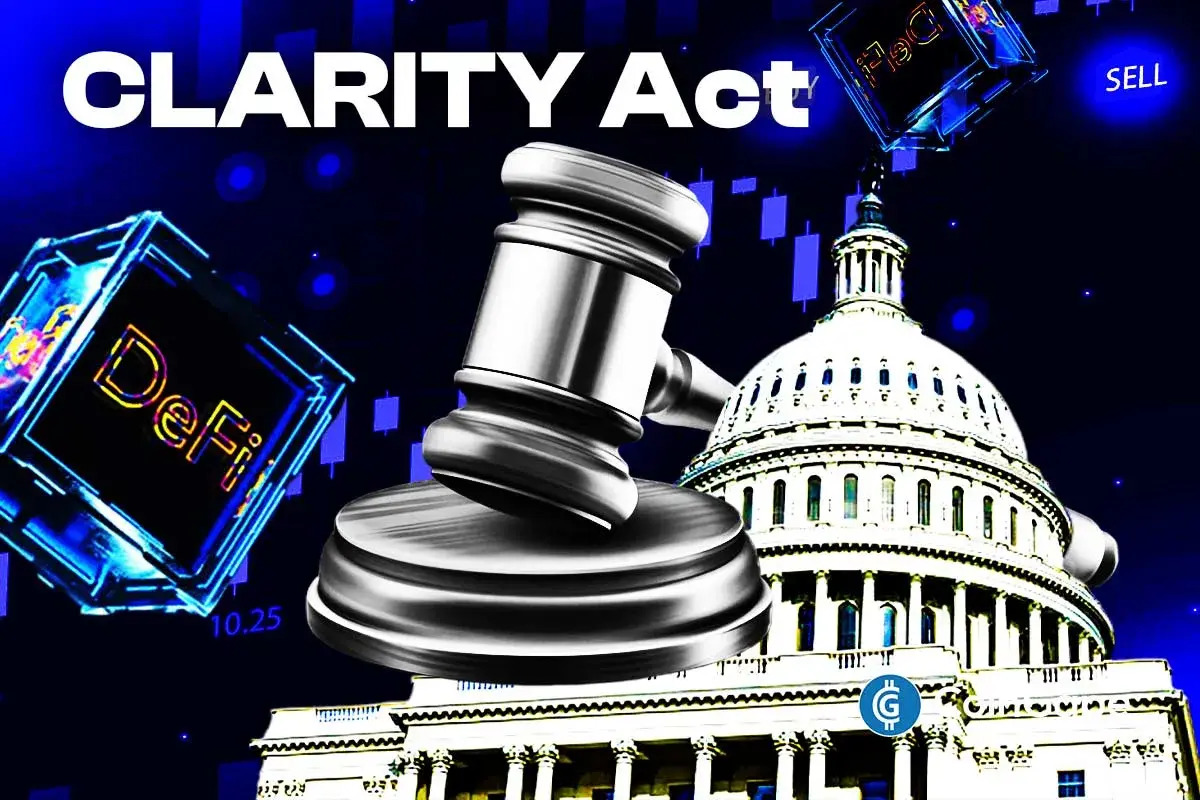
A pivotal blow to sentiment was the abrupt cancellation of the Crypto Market Structure Bill, initially slated for markup but derailed when Coinbase withdrew support, as noted in posts circulating on X and corroborated by market commentary. This legislation, aimed at clarifying digital asset classifications and enabling clearer pathways for institutional participation, was seen as a beacon for regulatory clarity. Its collapse—echoed in early warnings from industry insiders on X dating back to December 2025—has amplified fears of prolonged U.S. regulatory limbo under a new administration. Investor sentiment, gauged via on-chain metrics and social media buzz, has soured, with reduced inflows into spot Bitcoin ETFs and a spike in "fear" indices. Ethereum, despite record network usage in late 2025 followed by easing congestion and lower fees, struggles to capitalize, while meme-driven Dogecoin exemplifies retail fatigue. Privacy coins like Monero and Dash, however, bucked the trend, gaining traction amid privacy concerns.
Compounding this, digital asset funds saw $2.17 billion in inflows last week—the highest in three months—signaling selective optimism among institutions, even as spot prices lagged.
The Historical Context: Lessons from Previous Economic Shifts
History offers stark parallels for how economic policies can make or break emerging financial technologies. The 2008 global financial crisis, triggered by subprime mortgage failures and lax oversight, prompted unprecedented interventions: central bank bailouts exceeding $10 trillion, quantitative easing, and the Dodd-Frank Act's stringent regulations on banks. These shifts centralized power in fiat systems, eroding trust in traditional finance and catalyzing Bitcoin's genesis. Satoshi Nakamoto's whitepaper, released amid the crisis, positioned BTC as a decentralized alternative to "irresponsible" monetary policies.
Similar dynamics unfolded in the 1970s stagflation era, where oil shocks and floating exchange rates spurred gold's resurgence as an inflation hedge—much like BTC's "digital gold" narrative today. Regulatory pivots post-2008, including the Volcker Rule curbing proprietary trading, stifled innovation in legacy finance while inadvertently fostering fintech disruptors. Crypto's trajectory mirrors this: post-2017 ICO bust, policies like the SEC's Howey Test classifications birthed compliant security tokens, accelerating DeFi. Today's landscape echoes these eras, with global policies testing crypto's resilience amid inflation redux and trade wars.
Global Economic Policies and Their Influence on Crypto
Central banks' inflation-fighting arsenal—rate hikes and quantitative tightening—has dual effects on crypto. High U.S. yields draw capital from risk assets, pressuring BTC and ETH valuations, yet they underscore crypto's appeal as a non-correlated store of value. Gold versus Bitcoin debates intensify, with BTC's 2025 outperformance (up 120% year-to-date pre-dip) challenging precious metals amid fiat debasement fears.
Trade tariffs, particularly U.S.-China escalations under prospective Trump policies, disrupt mining economics. Post-2024 election rhetoric on 60% tariffs could inflate hardware costs, shifting hash rate to friendlier jurisdictions like the U.S. (now 40% of global BTC mining). Geopolitical tensions amplify this: South Korean customs recently uncovered a $102 million crypto laundering scheme tied to cross-border crime, prompting tighter capital controls and exemplifying Asia's regulatory clampdown.
Divergent national approaches fragment the market. The EU's MiCA framework mandates stablecoin reserves, boosting compliant issuers like USDT while sidelining others. Pro-crypto El Salvador integrates BTC as legal tender, contrasting China's outright ban. In the U.S., Trump-era meme coin hype leaves policy in limbo, per recent analyses, blending populism with caution. These policies influence adoption: inflation-weary emerging markets eye crypto remittances, but tariffs and sanctions (e.g., on Russia) spur privacy coin demand.
Looking Ahead: The Future of Crypto Amidst Global Economic Changes
Over the next 2-5 years, economic indicators—persistent 3-4% global inflation, U.S. debt at 130% of GDP, and rising protectionism—point to intensified policy scrutiny. Central banks may accelerate CBDCs, with 130 countries in pilot stages, competing directly with decentralized stablecoins and eroding BTC/ETH dominance. Increased regulation is probable: U.S. bills like the failed Market Structure Act could resurface post-midterms, but with strings attached, such as anti-money laundering mandates echoing South Korea's crackdown.
Scenarios diverge: a "regulatory thaw" under pragmatic leadership could unlock $1 trillion in institutional inflows, stabilizing markets. Conversely, "crackdown" paths—fueled by laundering scandals—might cap crypto at 5% of global assets, favoring state-backed tokens. Ethereum's evolution, including Vitalik Buterin's calls for improved DAOs, positions it for scalability wins, while Dogecoin risks obsolescence without utility upgrades. Gold-BTC rivalry may tilt toward BTC if equities falter, but tariffs could hinder energy-intensive mining. Overall, policy convergence around interoperability standards could foster hybrid finance, blending crypto with TradFi.
Original Insights: Navigating the New Crypto Landscape
Stakeholders must grasp policy as the primary market driver, monitoring indicators like Fed dot plots, tariff announcements, and CBDC rollouts for sentiment shifts. Historical precedents suggest resilience: post-2008 fintech boomed despite regs. Opportunities lie in policy-aligned sectors—compliance tools post-MiCA, privacy tech amid surveillance, and layer-2 scaling for ETH amid fee volatility.
Adaptation hinges on fundamentals: networks with real usage (e.g., ETH's recent records) weather storms better than hype-driven assets like DOGE. Geopolitical diversification—exposure to multi-jurisdictional protocols—mitigates single-policy risks. As Trump meme coins illustrate policy whims, focus on verifiable utility over narratives. In turmoil, inflows to funds signal smart money pivots; tracking these reveals macro alignments. The silent shift demands vigilance: policies don't just regulate—they redefine value in a multipolar economic order.
(Word count: 1,248)
Crypto analysis
How this ties into market intelligence
This format connects the article narrative back to Catalyst and the markets hub, so readers can move from headline context into asset-level implications and live pricing signals.
Market focus
Global
Best next step
Read the full analysis below for context, sources, and what to watch next.
Original Sources
- •
- •
- •
- •
- •Jan 19, 2026— decrypt
- •Jan 19, 2026— decrypt
- •Jan 19, 2026— decrypt
- •Jan 19, 2026— decrypt
- •Jan 19, 2026— decrypt
- •
Editorial process: This article was synthesized from the original sources cited above using The World Now's AI editorial system, with byline accountability from our editorial team. We grade every story for source grounding, factual coherence, and on-topic match before publication. Read more about our editorial standards and contributors. Spot something inaccurate? Let us know.
Last updated: July 29, 2026