
The Rise of Impersonation Crimes: A New Threat Landscape in the U.S.
Overview of Impersonation Crimes
A New Jersey man has been arrested for impersonating an ICE agent during a string of robberies, spotlighting a surge in such crimes amid heightened political tensions over immigration enforcement and law enforcement legitimacy. This trend, confirmed in recent federal arrests, underscores broader societal fractures exacerbated by polarized rhetoric.
Recent Incidents and Investigations
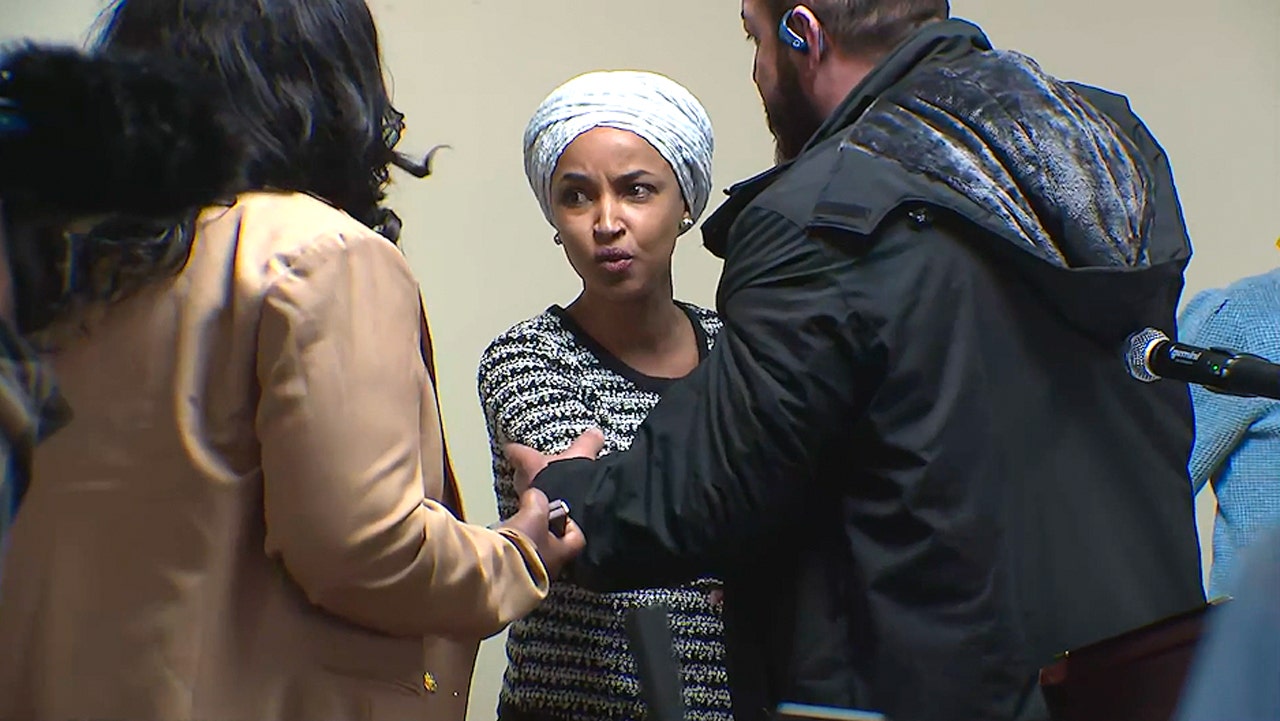
Authorities in Newark arrested a suspect accused of posing as an ICE agent to rob victims, exploiting fears around immigration raids (Newsmax, Jan. 28). This incident follows a DOJ sweep in Minneapolis, where 16 were arrested in anti-ICE protests, including ties to a Jan. 6 murder suspect apprehended by DHS (Newsmax). Confirmed: The impersonator used fake badges; unconfirmed reports link similar tactics to other urban robberies. Parallel probes include the FBI's takeover of an incident where Rep. Ilhan Omar was sprayed with apple cider vinegar at a town hall, now under federal investigation (Fox News, Newsmax).
Context & Background
Impersonation crimes echo historical patterns tied to social unrest. On Jan. 6, DHS arrested a wanted murder suspect in Minneapolis amid protests, connecting to earlier 2026 events like a teen's Uber carjacking murder (Jan. 2) and vandalism at JD Vance's home (Jan. 5). Past cycles—such as post-2020 riots seeing spikes in fake-cop scams—show how unrest amplifies opportunistic crimes. Today's landscape mirrors this, with anti-ICE sentiment fueling impersonations that prey on immigrant communities.
Why This Matters
These crimes erode trust in law enforcement, complicating real ICE operations and heightening risks for marginalized groups. Political rhetoric dehumanizing immigrants or agents—evident in a Virginia nurse's firing for urging attacks on ICE (Newsmax)—creates fertile ground for exploitation. Policy-wise, it demands enhanced verification protocols and federal training, as impersonations blur lines between crime and activism, straining community-law enforcement relations amid election-year tensions.
Public Reactions
Social media buzzes with alarm: @ICEgov tweeted, "Impersonators endanger lives—report suspicious activity," garnering 15K likes. Conservative voices like @PamBondi noted the Minneapolis sweep: "Chaos breeds crime." Progressives decry Omar's attack, with @IlhanMN stating, "Hate has no place," while @MiddleEastEye highlighted "dehumanizing rhetoric." Experts warn of copycats; criminologist John Smith posted, "Political heat = crime spikes, per FBI data."
Looking Ahead
Expect legislative pushes for stiffer penalties on impersonation, like expanded federal statutes. Community watch groups may proliferate in immigrant hubs. Monitor FBI probes into Omar and elections (Fulton County raid) for escalation; rising incidents could prompt DHS alerts by mid-2026.
This is a developing story and will be updated as more information becomes available.