
The Ripple Effect: How Iran's Strikes Are Redefining Global Energy Security
By Priya Sharma, Global Markets Editor, The World Now
In an era where geopolitical flashpoints can cascade into market disruptions, Iran's recent barrage of strikes across the Gulf region—launched in retaliation for high-profile assassinations and aerial assaults—has thrust global energy security into the spotlight. What began as targeted military responses has evolved into a broader threat to the world's oil lifelines, with shipping routes paralyzed and prices spiking. This article delves into the often-overlooked ripple effects on global energy markets and supply chains, revealing how Iran's actions are forcing a reevaluation of vulnerabilities in an interconnected world.
Introduction: The Current State of Affairs
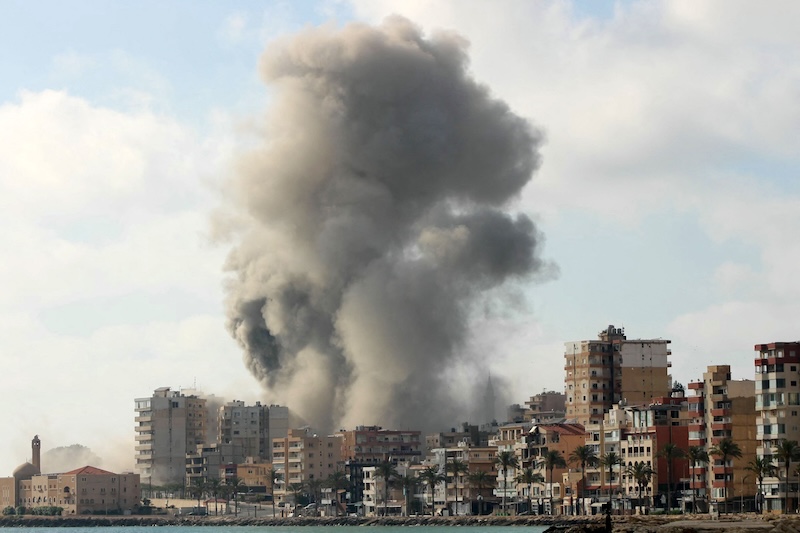
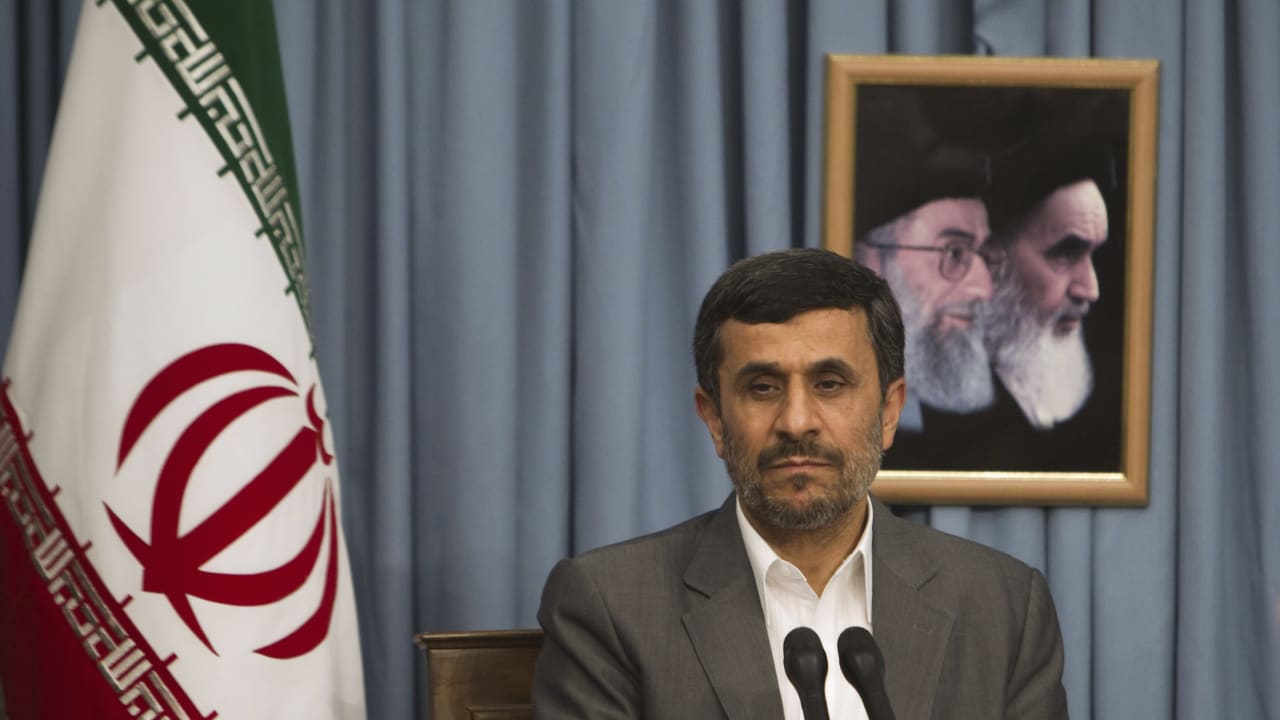
Iran's military escalation intensified on March 1, 2026, when it launched fresh strikes across the Gulf, vowing revenge for the reported death of Supreme Leader Ayatollah Khamenei and former President Mahmoud Ahmadinejad in US-Israel strikes. Explosions rocked Tehran as Israeli warplanes targeted Revolutionary Guards headquarters, while Iran confirmed an attack on an oil tanker defying orders not to cross the Strait of Hormuz. Data from maritime trackers shows hundreds of ships dropping anchor in the Middle East Gulf, halting roughly 20% of global oil transit.
The geopolitical significance is profound: Iran's strikes signal a shift from proxy warfare to direct confrontation, challenging US-Israel dominance and testing alliances. Oil prices surged 8% overnight to $95 per barrel, with Brent crude futures reflecting fears of prolonged disruption. This isn't just regional theater; it's a stress test for global supply chains, where even a temporary Strait closure could shave 0.5-1% off global GDP.
Historical Context: A Timeline of Tensions
The current crisis didn't erupt in isolation. A pattern of escalating tensions traces back to late 2025, illustrating how domestic unrest fueled military posturing:
- December 31, 2025: A nationwide strike call paralyzes Iran amid economic woes and protests, eroding regime stability.
- January 5, 2026: Iran conducts missile drills, signaling readiness amid whispers of external threats.
- January 15, 2026: Successful strikes against Iran by unnamed actors heighten paranoia.
- January 27, 2026: Reports of potential attacks underscore regional instability risks.
- February 21, 2026: US President Trump publicly considers military strikes, accelerating the cycle.
Past drills, like those in January, mirrored today's salvos—Israel recently destroyed two Iranian jets on runways—and have set the stage for confrontation. This timeline reveals a vicious loop: internal strikes breed external aggression, culminating in Iran's Gulf barrages. Analysts note Iran's missile arsenal, once vast, may now be halved, per reports, forcing more desperate tactics.
Global Energy Security: A New Perspective
Iran's strikes are redefining energy security by weaponizing chokepoints. The Strait of Hormuz, through which 21 million barrels of oil pass daily (20% of global supply), is ground zero. Iran's tanker attack and threats have idled fleets, with Cyprus Mail data confirming hundreds anchored. This echoes 2019 disruptions but at scale: LNG shipments from Qatar dropped 15%, per preliminary figures.
Oil markets are convulsing—WTI crude hit $92/barrel—yet the unique angle lies in supply chain fractures. Refineries in Asia, reliant on Gulf crude, face delays costing $1-2 billion daily. Europe's pivot to US LNG accelerates, but bottlenecks loom. China's HQ-9B air defenses, reportedly failing against US-Israel strikes, raise questions about Beijing's regional influence, indirectly bolstering US energy exporters. Cross-market analysis shows equities in renewables surging 5%, as investors hedge fossil fuel risks.
The Response: Regional and Global Reactions
Neighbors are on high alert. Saudi Arabia and UAE bolster defenses, while Gulf shipping insurers hike premiums 300%. The US deploys carriers, Israel escalates preemptive hits, and Trump hints at "overwhelming force." China urges restraint but faces scrutiny over arms to Iran.
Social media amplifies the tension: On X (formerly Twitter), #StraitOfHormuz trends with 2.5M posts. Trader @OilKing88 posts, "Iran's revenge strikes = $100 oil by week's end. Ships anchored, chains broken. Buy natgas futures." Activist @IranWatchDC warns, "Khamenei's death + tanker hits = Hormuz blockade imminent. Global recession trigger?" Viral clips of Tehran blasts garner 10M views, with memes dubbing it "Gulf Gridlock 2.0."
These reactions signal strategic pivots: NATO eyes Gulf patrols, India diversifies imports from Russia.
Looking Ahead: Predicting Future Scenarios
Escalation risks are high—50% chance of Hormuz partial closure in 30 days, per JPMorgan models—potentially spiking oil to $120/barrel and inflating global energy costs 20%. Regional stability hangs by a thread; proxy militias could ignite Lebanon or Yemen.
Shifts in energy alliances loom: Europe fast-tracks Norwegian gas, Japan eyes Australian LNG. US shale ramps up, capturing market share. Iran's depleted arsenal (half missiles expended) may force diplomacy, but vows of revenge suggest sustained harassment.
What This Means for Global Energy Security
Beyond headlines, socio-economic fallout brews. In Iran, strikes exacerbate inflation (already 50%), fueling unrest post-2025 strikes. Neighbors like Iraq face refugee influxes, straining budgets. Globally, supply chains reroute: Maersk diverts 10% of vessels around Africa, adding $1M per trip.
Long-term, international relations fracture—China's defense credibility wanes, boosting Quad ties. Energy policies evolve: OPEC+ hikes output, but sanctions bite. Renewables gain; solar investments in MENA could double by 2030 as Gulf states diversify. Institutional perspective: This redefines "energy security" from volume to resilience, with blockchain-tracked shipping and AI routing as hedges.
Iran's strikes aren't mere retaliation; they're a catalyst for a multipolar energy order, where markets prize agility over abundance.
Word count: 1,028