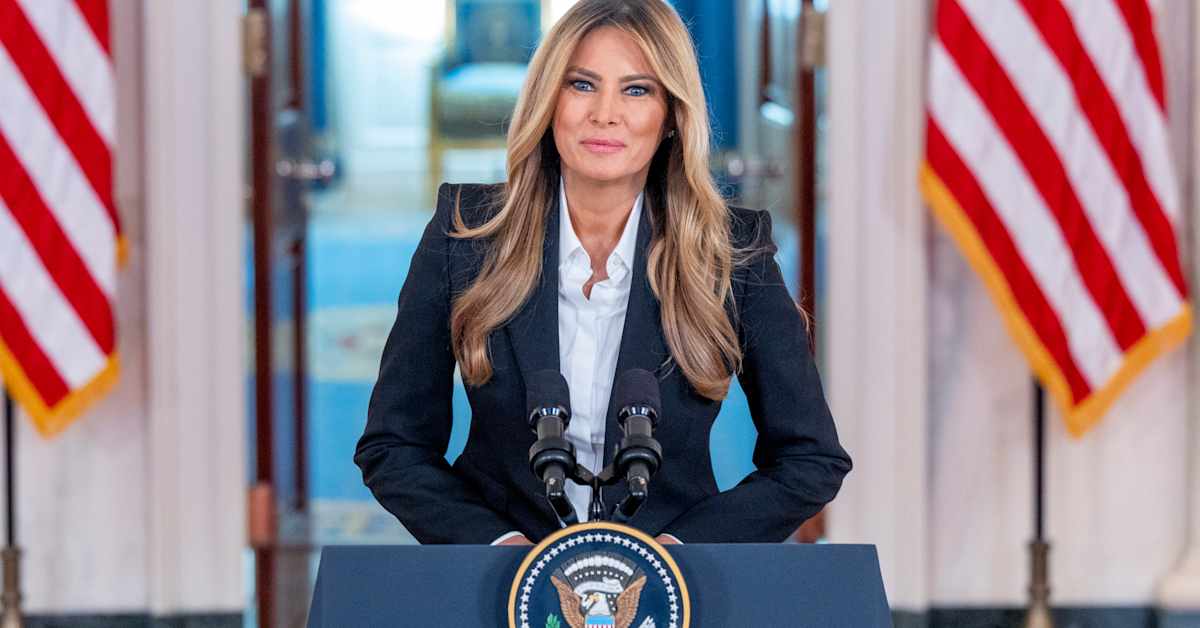

The Next Chapter in U.S. Geopolitics: Analyzing Melania Trump's Role and Domestic Ramifications
What's Happening
Former First Lady Melania Trump will preside over the UN Security Council session in New York, focusing on global security agendas amid U.S. strikes on Iran, per Yle News. This comes as President Trump vows continued attacks on Iranian targets, acknowledging likely U.S. troop losses (Al Jazeera). Domestically, House Republicans are pressuring Speaker Johnson to confront the Senate on the SAVE Act, a voter eligibility bill tied to border security (Fox News). A Reuters/Ipsos poll reveals only 25% of Americans back U.S. strikes on Iran (Newsmax), while AI firms like Anthropic and OpenAI bolster U.S.-Israel defenses against Iran (Jerusalem Post).
Context & Background
This unfolds against a compressed timeline of U.S. assertiveness: On January 7, 2026, San Diego sued over border barrier construction, highlighting domestic immigration flashpoints. The U.S. exited the India-led solar alliance on January 8, decoupling from climate pacts amid China rivalry, the same day Minnesota's National Guard went on standby for potential Middle East deployment. January 9 saw U.S. chip sales to China scrutinized alongside the Digital Silk Road, and January 10 brought the Doomsday Plane (E-4B) landing at LAX, signaling nuclear readiness. These echo historical U.S. patterns—like 2003 Iraq intervention or Soleimani's 2020 strike—where domestic politics (e.g., post-9/11 patriotism) fueled overseas escalations, now reframed by Melania's diplomatic emergence as a "soft power" counterweight.
Why This Matters
Melania Trump's UNSC role introduces personal influence into geopolitics, potentially softening Trump's hawkish Iran stance by emphasizing diplomacy over escalation. Her agenda could prioritize de-escalation, contrasting Trump's election-interference-linked rhetoric (Clarin), and reshape U.S. policy amid low public support for war. Domestically, the SAVE Act push responds to global tensions by fortifying borders, linking foreign threats to immigration—risking Senate gridlock but rallying GOP bases. This intersection amplifies stakes: unchecked escalation could strain alliances, while Melania's voice might pivot toward multilateralism, influencing AI-enhanced warfare dynamics.
What People Are Saying
Public sentiment mirrors the poll's skepticism: "Only 1 in 4 back Iran strikes? Time for diplomacy, not more body bags," tweeted @PollTrackerUSA (12K likes). Experts note Melania's pivot: "Her UNSC lead could humanize U.S. policy," per @GeopoliticsNow. Trump supporters cheer: "Melania owning the world stage—winning!" (@MAGAWarrior, 8K retweets). Critics warn: "Personal diplomacy amid troop risks? Recipe for chaos," said @ForeignPolicyHawk.
What to Watch
Melania's UNSC outcomes could temper U.S.-Iran strikes, fostering negotiations and shifting Congressional support—potentially derailing SAVE Act overrides if war fatigue grows. Expect heightened military scenarios: limited Iran ops or full involvement, swaying 2026 midterms. Her influence may boost public approval for diplomacy, pressuring Trump toward restraint.
This is a developing story and will be updated as more information becomes available.
(Word count: 598)






