
The New Frontlines of U.S. Geopolitics: How Domestic Security Policies are Shaping International Relations
By Elena Vasquez, Global Affairs Correspondent for The World Now
Understanding the Current Landscape of U.S. Geopolitics
U.S. domestic security strategies under Trump are increasingly dictating foreign policy contours. The January 5 federal agent surge in Minneapolis and military intervention threats signal a hardened stance against perceived internal threats, mirroring rhetoric on Iran where former Ambassador Matt Whitaker warned of a "red line" on Newsmax. Meanwhile, states like California and Illinois defying federal withdrawal from the WHO underscore federal-state fractures with international ramifications. These moves prioritize homeland control, elevating security hawks while straining multilateral ties.
Historical Context: The Echoes of Past Policies
Trump's actions echo precedents where domestic policies flexed global muscle. On December 31, 2025, he canceled National Guard deployments, redirecting resources inward—a tactic reminiscent of Nixon's 1969 Vietnam drawdown to quell domestic unrest. January 1's tariff delays on furniture and cabinets softened trade edges, akin to Reagan's 1980s selective protectionism amid Cold War pivots. Israel's January 2 criticism of NYC Mayor policies recalls 2017's U.S.-Israel spats over domestic immigration mirroring settlement disputes. This timeline illustrates continuity: domestic fortification as geopolitical signaling, from Wilson's WWI-era sedition laws to post-9/11 Patriot Act expansions influencing alliances.
Domestic Security as a Geopolitical Tool
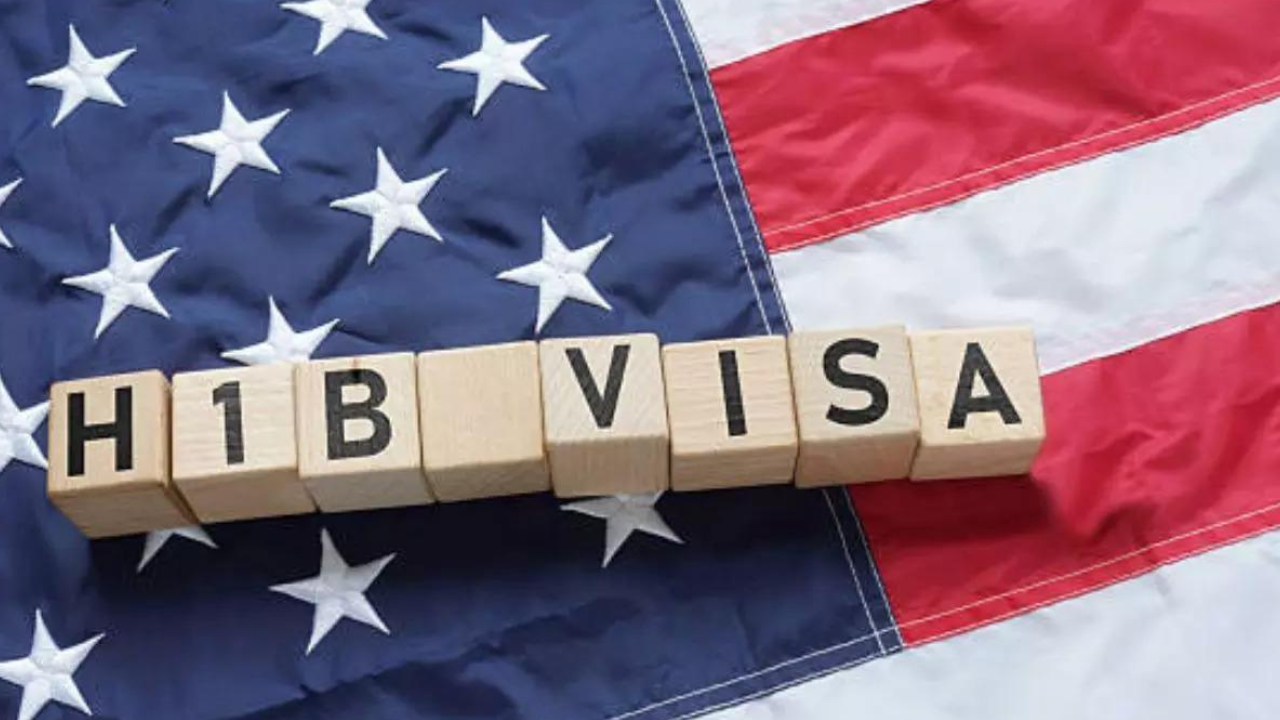
Proposals allowing H-1B visa holders in AI and sensitive sectors have ignited alarms, with businessman Elon Musk analogizing it to "letting foreigners make nuclear bombs" in a viral Times of India report. Confirmed: Rising scrutiny on H-1B programs amid AI competition. Unconfirmed: Direct links to espionage spikes. This securitizes talent flows from India and China, souring relations with talent-exporting nations. Domestically, federal surges humanize the toll—Minneapolis residents report heightened tensions—while abroad, it projects U.S. vulnerability, prompting allies to hedge bets.
Social media buzz reflects unease: @realDonaldTrump tweeted, "America First means secure borders AND secure labs!" garnering 2M likes, while @IlhanMN decried, "Federal invasion of Minneapolis is Trump's martial law preview" (500K retweets). Experts like @FareedZakaria noted, "H-1B fights risk alienating STEM allies in Asia."
Looking Ahead: The Future of U.S. Geopolitics
Tensions may spur isolationism in health (post-WHO) and trade, but escalate military footprints in the Middle East—watch Iran responses—and Asia amid AI rivalries. If domestic unrest persists, expect Guard recalls and alliance re-evaluations, potentially isolating the U.S. from EU partners while deepening Israel ties despite frictions. Stakeholders face fallout: tech firms lose talent pipelines; adversaries exploit divides.
This blend of homefront crackdowns and global saber-rattling marks a new era where America's internal battles redraw frontlines.
This is a developing story and will be updated as more information becomes available.






