
The New Crypto Frontier: Navigating the Intersection of Digital Assets and Global Geopolitics
Introduction
In an era of escalating geopolitical tensions—from U.S.-China trade frictions to the Russia-Ukraine conflict and Middle East instability—cryptocurrencies are emerging not just as financial instruments but as strategic tools on the global power chessboard. This analysis delves into the underexplored intersection of digital assets and geopolitics, examining how nations are leveraging or countering crypto amid shifting alliances. The urgency of this perspective is underscored by recent market volatility, including Bitcoin's slide and Bermuda's bold on-chain ambitions.
Geopolitical Tensions and Their Impact on Crypto Adoption
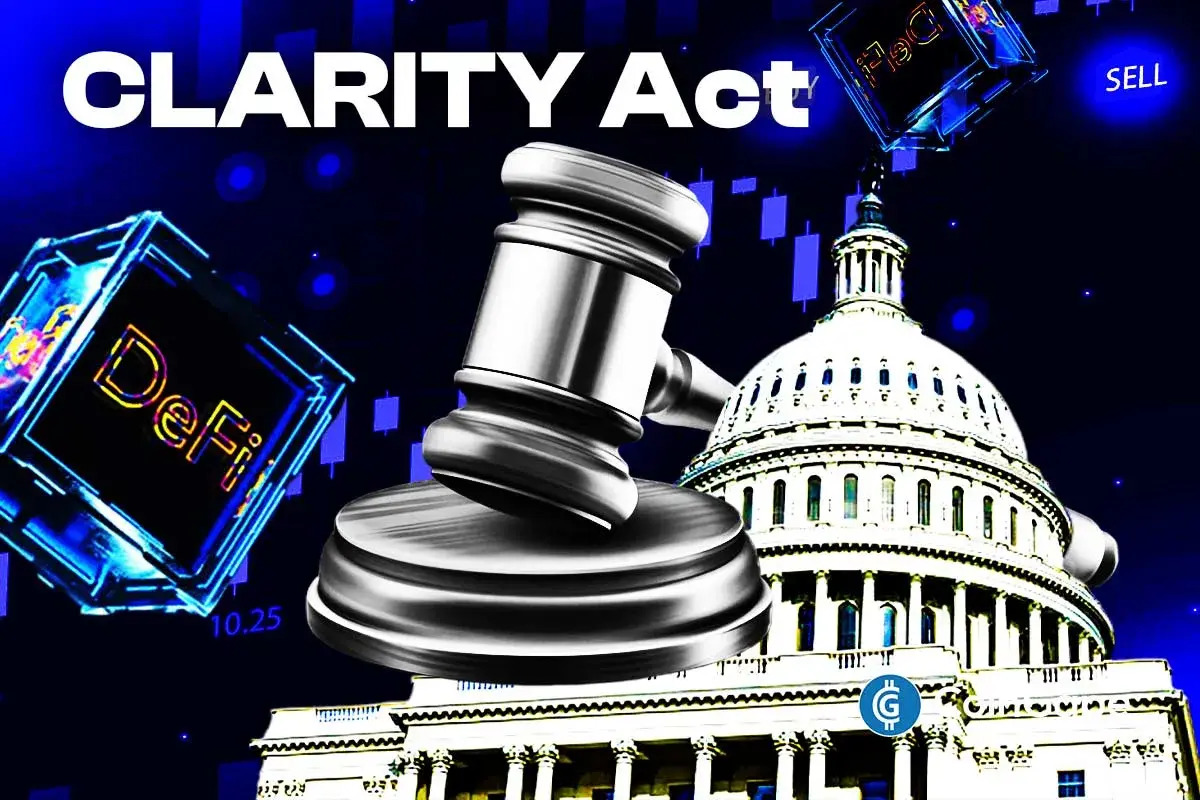
Recent geopolitical flashpoints have profoundly influenced national stances on cryptocurrency. The cancellation of the U.S. Crypto Market Structure Bill, as reported by Coingape, has heightened uncertainty, sending crypto-linked stocks like MicroStrategy (MSTR) and Coinbase (COIN) into flux. This regulatory setback coincides with broader tensions: Russia's invasion of Ukraine in 2022 spurred crypto donations exceeding $100 million to aid efforts, bypassing SWIFT restrictions, while ongoing sanctions have pushed Moscow toward crypto mining and ruble-pegged stablecoins.
Countries are embedding crypto in economic strategies to counter U.S. dollar dominance. BRICS nations (Brazil, Russia, India, China, South Africa) are exploring blockchain-based trade settlement to sidestep sanctions, with India piloting rupee-digital token swaps. In the Middle East, amid Israel-Hamas escalations, Iranian entities have reportedly used mixers like Tornado Cash (pre-U.S. sanctions) for oil trades. Social media buzz, including posts from analyst @zerohedge on X (formerly Twitter), highlights how Bitcoin's correlation with gold—debated in Coingape's analysis—positions it as a "digital gold" hedge against fiat devaluation in tense regions.
These dynamics accelerate adoption in sanction-hit economies: Venezuela's Petro cryptocurrency, though flawed, aimed to evade U.S. oil sanctions, while North Korea's Lazarus Group has laundered over $1 billion in stolen crypto for weapons programs, per Chainalysis reports.
Historical Context: The Evolution of Currency and Geopolitics
History offers stark parallels to today's crypto-geopolitics nexus. During the 1971 Nixon Shock, which ended the Bretton Woods gold standard, geopolitical strains from Vietnam War costs and European gold demands fragmented global finance, birthing petrodollar recycling and fiat volatility. Alternative currencies proliferated: Weimar Germany's hyperinflation spawned barter systems, echoing crypto's rise post-2008 crisis.
The 1933 U.S. gold confiscation under Executive Order 6102 mirrored modern CBDC pushes, as governments clawed back monetary sovereignty. World War II saw Nazi Germany's use of scrip currency in occupied territories to circumvent Allied blockades, akin to sanctioned states' crypto maneuvers today. Post-colonial Africa witnessed "hawala" informal networks challenging Western banking, prefiguring DeFi's borderless ethos.
These precedents underscore crypto's role as a resilience tool. As Coingape notes in its Gold vs. Bitcoin piece, BTC's scarcity mimics gold's appeal during crises like the 1970s oil shocks, when OPEC weaponized petrodollars—prompting today's Saudi Arabia to eye Bitcoin reserves amid U.S. tensions.
Case Studies: Nations Embracing or Rejecting Crypto
El Salvador leads adoption, making Bitcoin legal tender in 2021 amid IMF pressures and remittance needs (25% of GDP). President Bukele's "strategic reserve" echoes Steak n Shake's $10 million BTC exposure (Decrypt, Jan 19, 2026), positioning it against dollar hegemony. UAE's Dubai free zones attract $2 billion in crypto firms yearly, fueled by post-oil diversification and anti-Iran alliances.
Contrast China, which banned crypto mining in 2021 citing capital flight risks amid U.S. trade wars, pivoting to the digital yuan (e-CNY) piloted in 25 cities. India's 30% crypto tax and RBI warnings stem from rupee stability concerns during border clashes with China. Nigeria, despite a 2021 bank ban, boasts Africa's highest P2P crypto volume ($56 billion YTD per Chainalysis), driven by naira devaluation and youth demographics.
Bermuda's on-chain economy plot with Coinbase and Circle (Decrypt) exemplifies small-nation agility: as a British Overseas Territory, it courts U.S. firms while dodging G7 regulatory heat, motivated by tourism recovery post-COVID and tax haven status.
The Role of Crypto in Economic Sanctions and Trade Wars
Crypto circumvents sanctions, reshaping trade. Russia, post-2022 SWIFT exclusion, legalized crypto payments for gas exports to China and India, with volumes hitting $10 billion per Elliptic data. Hamas and Hezbollah have used Tether (USDT) for funding, prompting U.S. Treasury actions against exchanges like BTSE.
In U.S.-China decoupling, Huawei's blockchain patents signal tech rivalry, while Taiwan's stablecoin explorations hedge against invasion risks. Recent market pressures—Bitcoin crashing to zero on Paradex glitch amid mass liquidations (Decrypt)—underscore vulnerabilities, yet resilience: weekly events like ETF inflows (Coingape) sustain flows despite geopolitics.
Implications are seismic: a fragmented SWIFT alternative via blockchain could erode U.S. leverage, inflating parallel economies. NYSE's tokenized stocks platform (Decrypt) hints at Western adaptation, blending TradFi with crypto to retain influence.
Predictive Analysis: The Future of Crypto in a Fragmented World
Rising tensions forecast bifurcated crypto landscapes. Scenario one: sanction intensification boosts adoption in the Global South, with BRICS launching a multipolar blockchain by 2028, mirroring EU's MiCA unification. Bitcoin could outperform gold by 2026 (Coingape), as safe-haven demand surges amid Taiwan Strait or Arctic resource wars.
Scenario two: regulatory fragmentation, with U.S. FIT21 bill revival post-cancellation clashing against EU's stablecoin caps and China's CBDC dominance, spawning "regulatory arbitrage" hubs like Bermuda. Golden Cross risks in BTC charts (Decrypt) signal corrections, but geopolitical catalysts—like U.S. elections or Iran-Israel escalations—could propel rallies.
A multipolar world implies 20-30% higher volatility, per predictive models from Ark Invest analogs, with DeFi TVL doubling in non-Western corridors. Social media sentiment, e.g., @VitalikButerin threads on X warning of "sovereign AI x crypto" stacks, foreshadows state-blockchain hybrids.
What This Means
The evolving landscape of cryptocurrencies amid geopolitical tensions suggests that digital assets will play an increasingly crucial role in global finance. As nations adopt or reject crypto based on their strategic interests, stakeholders must remain vigilant about the implications for economic sovereignty and market stability. The potential for a bifurcated crypto world could lead to new alliances and rivalries, reshaping the future of finance.
Conclusion: Navigating the Future of Crypto and Geopolitics
Geopolitical currents are redefining crypto from speculative asset to strategic imperative, as seen in Bermuda's innovations, sanction evasions, and market tremors. Historical echoes—from gold shocks to informal networks—illuminate paths forward: resilience via decentralization amid fragmentation.
Stakeholders must monitor alliances like BRICS vs. G7, weighing adoption's dual edges—empowerment for the sanctioned, peril for incumbents. In this new frontier, crypto's geopolitical imprint demands vigilant analysis, not speculation, as digital assets etch into the annals of global power dynamics.