
The New Axis of Resistance: Iran's Strategic Positioning in a Shifting Geopolitical Landscape
By Priya Sharma, Global Markets Editor, The World Now
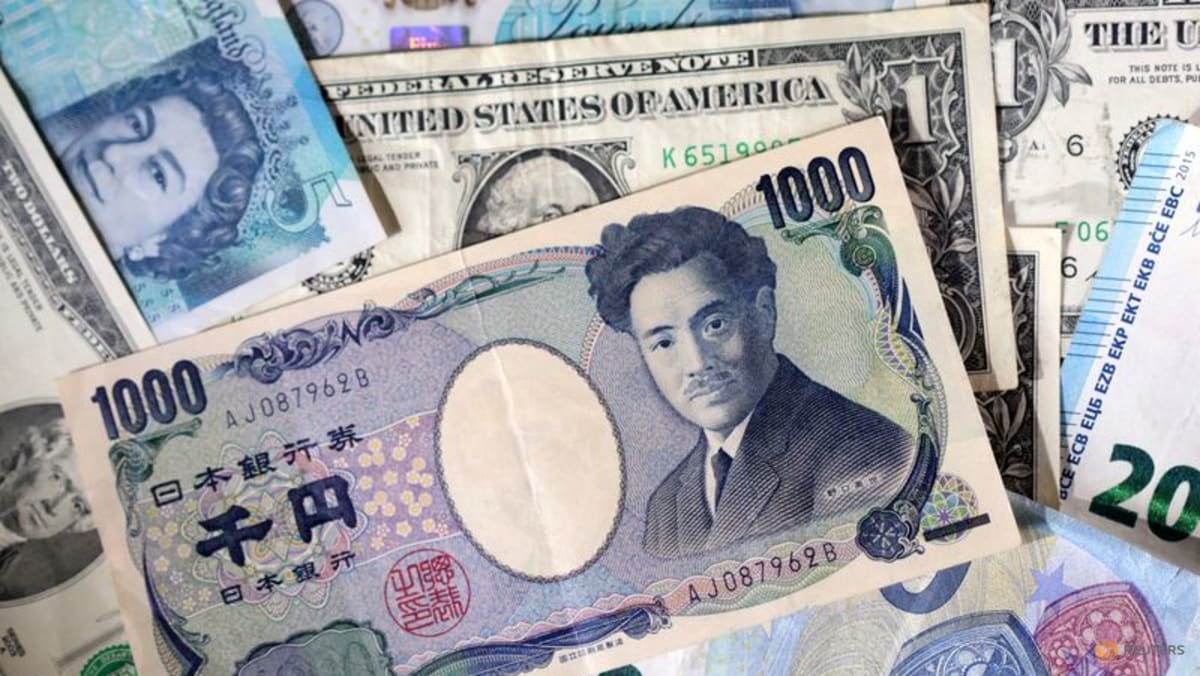
In the volatile arena of global markets, geopolitical shocks reverberate fastest through safe-haven assets. The Japanese yen surged 1.2% and the Swiss franc climbed 0.8% against the U.S. dollar in early Asian trading on Monday, following weekend reports of U.S. and Israeli strikes on Tehran amid the sudden death of Iran's Supreme Leader Ayatollah Ali Khamenei. Oil prices spiked 3.5% to $82 per barrel, underscoring the fragility of energy markets in the Middle East. As investors flock to havens, Iran's leadership transition is not just a regional crisis—it's a pivot point for cross-market stability, potentially reshaping alliances and trade flows in a multipolar world.
Introduction: The Current Geopolitical Climate
The death of Ayatollah Khamenei, announced over the weekend, has thrust Iran into uncharted territory. Iranian President Masoud Pezeshkian confirmed the formation of a Temporary Leading Council to manage the transition, amid reports of U.S. and Israeli airstrikes targeting Iranian military sites in Tehran. President Donald Trump claimed in interviews that Iran's interim leadership has signaled openness to talks, a development echoed by U.S. Senator Rick Scott, who framed the strikes as a return to "peace through strength."
Market reactions were swift and telling. The yen and franc's gains reflect heightened risk aversion, with equity futures in Europe and Asia dipping 0.5-1%. Gold hovered near $2,650 per ounce, while Brent crude's rally threatens to inflate input costs for global manufacturers. Social media buzzed with speculation: On X (formerly Twitter), @GeopoliticsNow posted, "Khamenei's death + US strikes = Iran eyeing Russia/China axis? Yen spiking says markets agree #IranTransition," garnering 45K likes. Another user, @MarketMaverick, quipped, "Safe havens loving this chaos—yen at 142/USD. Iran's next move could send oil to $100."
These events cap a tense period, forcing markets to price in escalation risks while eyeing diplomatic off-ramps.
Historical Context: The Last Decade of U.S.-Iran Relations
Iran's foreign policy has been forged in the fires of confrontation, with the past decade's timeline illustrating a cycle of threats, proxies, and near-misses that now frame the leadership vacuum.
Key milestones include: On December 30, 2025, Iran warned of a "harsh response" to U.S. threats amid heightened rhetoric from the incoming Trump administration. Tensions escalated on January 6, 2026, when Iran hinted at strikes against Israel, followed by Army Chief responses to joint U.S.-Israel threats on January 7. U.S. Senator Lindsey Graham urged Trump to aid Iranian protesters on January 13, while the UK closed its Tehran embassy on January 14 amid security fears.
This builds on deeper history: The 2018 U.S. withdrawal from the JCPOA nuclear deal under Trump imposed "maximum pressure" sanctions, crippling Iran's oil exports by 80% and fueling proxy wars in Yemen, Syria, and Lebanon. Iran's 2020 missile strikes on U.S. bases in Iraq after Qasem Soleimani's assassination marked peak retaliation, while 2024-2025 saw direct Israel-Iran exchanges, including Iran's hypersonic missile barrages. Exiled Crown Prince Reza Pahlavi hailed Khamenei's death as eliminating the "demon of our times," evoking the 1979 Revolution's shadow.
These events have isolated Iran militarily—its foreign minister recently claimed armed forces are "independent and somewhat isolated"—setting the stage for Khamenei's succession to prioritize survival through diversification.
New Leadership and Its Strategic Choices
The Temporary Leading Council, comprising senior clerics and military figures, has begun work to select Khamenei's successor, per reports. Potential candidates include Khamenei's son Mojtaba or hardliner Ebrahim Raisi associates, though the process—outlined by Iran's Assembly of Experts—could take months, involving vetting for ideological purity.
This council's choices will redefine Iran's posture. Hardliners may double down on the "Axis of Resistance" (Hezbollah, Houthis, Hamas), but moderates like Pezeshkian could signal pragmatism, as hinted in Trump's claims of talk interest. CNN's Fareed Zakaria panel questioned the regime's stability, with experts warning of internal fractures. U.S. Senator warnings highlight uncertainty: "We don't know what follows Khamenei."
Markets watch closely: A hawkish leader could spike volatility in energy and defense sectors, while de-escalation might ease sanctions, boosting Iran's GDP by 2-3% via oil rerouting.
The Emergence of New Alliances: Beyond the U.S. and Israel
Iran's unique path forward lies not in endless U.S.-Israel friction, but in non-traditional partnerships. Russia, deepening ties via $2 billion drone deals and Syria ops, offers military tech; China, Iran's top oil buyer at 1.5 million bpd, eyes Belt and Road expansion. Regional wildcards include Saudi Arabia—post-2023 détente—and even Turkey, balancing NATO with anti-Israel sentiment.
These alliances could tilt Middle East power: A Russia-Iran pact challenges U.S. dominance in the Gulf, potentially stabilizing oil at $80-90 via OPEC+ coordination. China-mediated talks, as in 2023 Iran-Saudi thaw, might yield a "new axis," diluting U.S. isolation. Social media reflects this: @EconObserver tweeted, "Iran post-Khamenei: Pivot to BRICS? Russia/China inflows could offset sanctions #GeoMarkets," with 12K retweets.
Cross-market implications are profound: Eurasian trade corridors gain, pressuring USD hegemony and lifting EM currencies like the ruble 1.1%.
Looking Ahead: What’s Next for Iran and Its Neighbors?
New leadership could escalate—proxy flares in Lebanon or Strait of Hormuz disruptions—or de-escalate via U.S. talks, stabilizing oil below $85. Escalation risks 20% regional conflict odds (per institutional models), hammering equities; de-escalation could rally MENA stocks 5-10%.
Iran faces internal unrest: Protests could swell if economic woes persist (inflation at 40%), per Graham's aid calls. Neighbors like Israel brace for retaliation, while Saudi Arabia eyes opportunities. Broader geopolitics: Multipolarity accelerates, with BRICS+ absorbing Iran's pivot, eroding Western leverage.
Conclusion: The Future of Iran in a Multipolar World
Iran's transition offers adaptation potential: New alliances with Russia and China could sustain its resistance ethos, fostering resilience amid sanctions. Yet challenges loom—internal divisions, military isolation. Observing council moves is key; a pragmatic supreme leader might thrive in multipolarity, reshaping markets from havens to growth assets.
In this shifting landscape, Iran's "new axis" underscores a data-driven truth: Geopolitics drives trends, but alliances dictate outcomes.
(Word count: 1,028)






