The Interplay of Global Geopolitics and Cryptocurrency: A Catalyst for Market Dynamics

Latest from X
The Interplay of Global Geopolitics and Cryptocurrency: A Catalyst for Market Dynamics
Introduction
In a world marked by escalating geopolitical tensions—from U.S.-China trade frictions to sanctions on adversarial nations—cryptocurrencies have emerged not just as financial instruments but as pivotal players in global power dynamics. This analysis explores the unique interplay between national policies, alliances, and crypto market behavior, revealing how Bitcoin and Ethereum prices, adoption rates, and innovations respond to these forces.
Geopolitical Landscape and Its Influence on Crypto Markets
Recent geopolitical events continue to ripple through financial markets, with cryptocurrencies acting as both barometers and buffers. The upcoming U.S. Consumer Price Index (CPI) report, anticipated on January 16, 2026, exemplifies how domestic economic policies intersect with global tensions. Expectations of persistent inflation—driven by government spending and supply chain disruptions amid U.S.-led alliances against certain trade partners—could sway Federal Reserve rate decisions, indirectly pressuring risk assets like Bitcoin and Ethereum. Higher-than-expected CPI readings have historically correlated with crypto sell-offs, as investors seek fiat safe havens, while softer data bolsters bullish sentiment.
Specific country policies amplify these effects. The U.S. Securities and Exchange Commission (SEC)'s impending decision on Bitwise's 11 altcoin exchange-traded funds (ETFs) in March 2026 signals a potential thaw in regulatory hostility, fostering institutional adoption amid competition with crypto-friendly jurisdictions like the UAE and Singapore. Conversely, China's ongoing mining crackdowns—stemming from energy security concerns tied to U.S. tech export bans—have redistributed hash power globally, enhancing Bitcoin's decentralization narrative despite past vulnerabilities highlighted in social media discussions on X about mining centralization risks.
In Europe, EU MiCA regulations aim to harmonize crypto oversight, countering fragmented national approaches exacerbated by energy crises linked to geopolitical conflicts. These policies influence adoption: nations imposing capital controls, such as those under sanctions, see crypto inflows surge as a workaround, while allied blocs promote stablecoins for cross-border trade resilience.
Historical Context: Crypto's Response to Global Events
Cryptocurrency's origins are deeply rooted in geopolitical and economic upheavals. The 2008 global financial crisis, triggered by U.S. housing market collapse and lax banking regulations, catalyzed Bitcoin's inception. Satoshi Nakamoto's whitepaper positioned it as a peer-to-peer electronic cash system, bypassing centralized institutions amid bailouts that eroded trust in fiat currencies. This event spurred early adoption in regions hit hardest by austerity, like Greece during its sovereign debt crisis.
Economic sanctions have further propelled crypto's role in crises. Post-2014 Crimea annexation, Russia pivoted toward domestic mining and crypto experimentation to circumvent Western SWIFT exclusions. Venezuela's 2018 launch of the Petro—pegged to oil reserves—aimed to evade U.S. sanctions crippling its bolívar, though it faltered due to hyperinflation and skepticism. Iran's post-2018 sanctions mining boom similarly demonstrated crypto's utility in funding state activities outside dollar dominance.
These instances illustrate crypto's dual nature: a hedge against policy-induced instability and a tool for sanctioned entities, influencing market behavior. Bitcoin's price spikes during 2022's Russia-Ukraine conflict—up 20% initially—reflected its "digital gold" appeal, even as Ethereum gas fees surged from DeFi flight-to-safety flows.
Current Market Reactions to Geopolitical Tensions
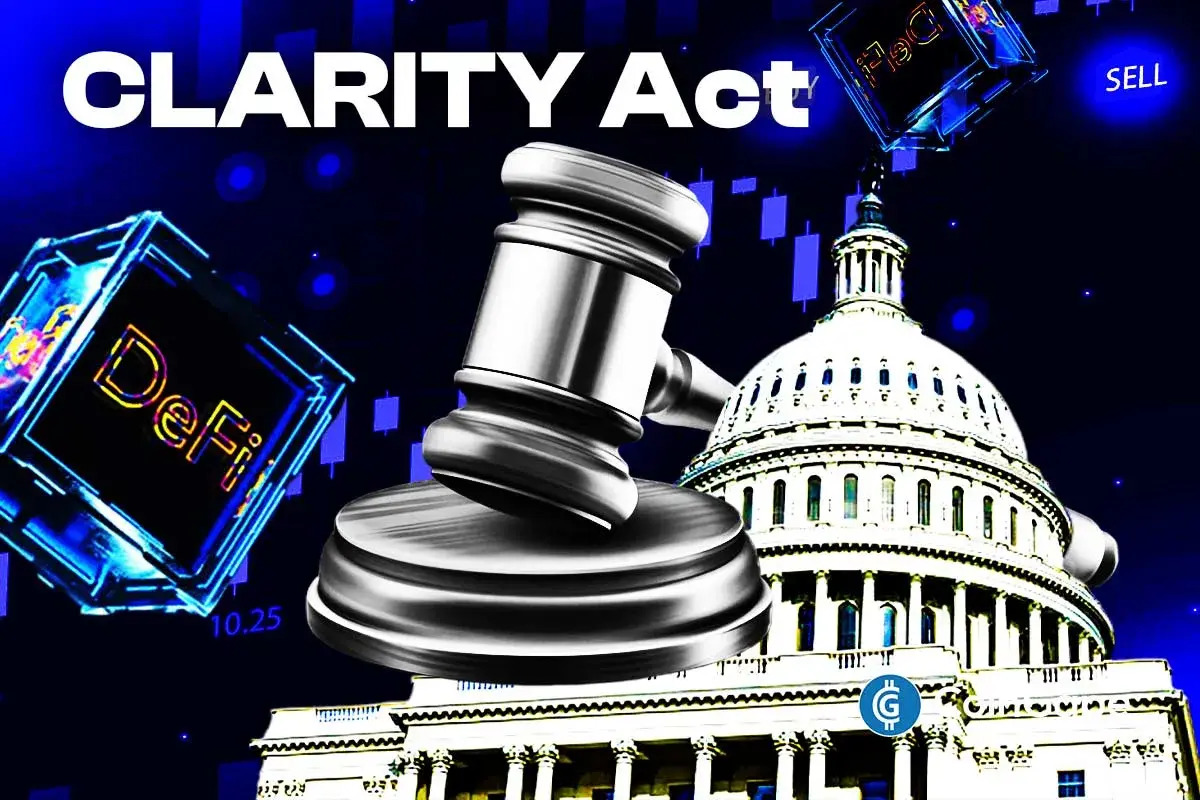
Crypto markets exhibited resilience on January 14, 2026, climbing amid broader equity gains, with Bitcoin hovering near recent highs and Ethereum benefiting from ETF speculation. This uptick coincided with the cancellation of a U.S. crypto market structure bill, shifting focus to stocks like MicroStrategy (MSTR), Coinbase (COIN), and even Tesla (TSLA), underscoring intertwined traditional and digital finance amid policy flux.
Correlations with geopolitical announcements are evident. The CPI anticipation—linked to U.S. inflation narratives echoed in posts on X attributing rises to government overspending—has traders positioning for volatility. Ethereum and Bitcoin prices dipped pre-report but rebounded on dovish Fed bets, mirroring patterns during 2024 Middle East escalations. SEC ETF deliberations add bullish pressure; approval could unlock billions, contrasting with X's recent bans on certain crypto projects like InfoFi amid AI content backlash, highlighting platform-level "regulations" influenced by figures like Elon Musk.
Illicit uses underscore tensions: Deadlock ransomware leveraging Polygon smart contracts for evasion points to crypto's role in cyber-geopolitics, where state actors deploy such tools against adversaries. Meanwhile, MetaMask's Tron integration expands wallet accessibility, potentially aiding adoption in sanction-hit Asia.
Future Projections: Crypto as a Geopolitical Tool
As geopolitical tensions intensify—evident in inconclusive X discussions on escalating global atrocities without U.S. restraint—cryptocurrencies like Bitcoin and Ethereum may evolve into strategic assets. Nations could leverage them for economic maneuvering: Russia or Iran expanding mining for sanction-proof revenue, or alliances like BRICS piloting blockchain-based trade settlement to rival SWIFT.
Bitcoin's scarcity positions it as a safe haven akin to gold during conflicts, with historical precedents suggesting 50-100% rallies in uncertainty. Ethereum's smart contracts enable programmable sanctions evasion, such as decentralized identity for cross-border aid. Central bank digital currencies (CBDCs) from China and the EU may counter decentralized crypto, sparking a bifurcated landscape.
Increased regulation looms: U.S. ETF approvals could pave for global standards, while novel use cases emerge—like esports team Ninjas in Pyjamas mining $14 million in Bitcoin for operational diversification, or MrBeast's DeFi treasury pursuits signaling mainstreaming. Chainlink, Cardano, and Stellar futures on CME next month will enhance hedging, institutionalizing crypto amid alliances.
The Global Crypto Community's Role in Shaping Policy
The crypto community's influence on policy is burgeoning, blending advocacy with grassroots momentum. Organizations like the Blockchain Association lobby in Washington, countering SEC skepticism post-market structure bill fallout. Influencers—evident in MrBeast's Ethereum treasury interest and BitMine's $200 million investment—amplify adoption narratives, pressuring regulators via social proof.
On X, figures like Elon Musk shape discourse, critiquing inflation drivers and Bitcoin's traits, indirectly influencing U.S. policy amid CPI focus. Grassroots movements, from DeFi DAOs to petitions against ransomware-enabling chains, push for ethical regulations. In geopolitically charged regions, communities in Turkey or Argentina drive adoption against currency devaluations, informing international bodies like the IMF on crypto's stabilizing potential.
This bottom-up dynamic fosters alliances: European devs collaborating on MiCA-compliant tools, Asian miners relocating post-China bans. As tensions rise, the community could tip scales toward innovation-friendly policies, mitigating crackdowns.
What This Means
As we look ahead, the interplay between geopolitics and cryptocurrency will likely deepen, with Bitcoin and Ethereum becoming increasingly integral to national strategies. Investors and policymakers alike must remain vigilant, as shifts in regulatory landscapes and geopolitical events will continue to shape market dynamics. The future of cryptocurrency is not just about technology; it's about navigating a complex web of global relations.
In summary, geopolitical forces are reshaping crypto markets, with Bitcoin and Ethereum poised as dual-purpose tools—investment havens and maneuver instruments—heralding tighter regulations alongside breakthroughs like ETF expansions and DeFi treasuries. This interplay demands vigilant observation, as national policies dictate global flows.
(Word count: 1,248)
Crypto analysis
How this ties into market intelligence
This format connects the article narrative back to Catalyst and the markets hub, so readers can move from headline context into asset-level implications and live pricing signals.
Market focus
Global
Best next step
Read the full analysis below for context, sources, and what to watch next.
Original Sources
- •
- •
- •Why Is Crypto Market Up Today (Jan 14)?— coingape
- •
- •Jan 15, 2026— decrypt
- •Jan 15, 2026— decrypt
- •Jan 15, 2026— decrypt
- •Jan 15, 2026— decrypt
- •Jan 15, 2026— decrypt
- •
Editorial process: This article was synthesized from the original sources cited above using The World Now's AI editorial system, with byline accountability from our editorial team. We grade every story for source grounding, factual coherence, and on-topic match before publication. Read more about our editorial standards and contributors. Spot something inaccurate? Let us know.
Last updated: June 10, 2026