
The Hidden Nexus: How White-Collar Crime Fuels Street-Level Chaos in Modern America
By Amara Diallo, Special Correspondent for The World Now
Introduction: The Dual Faces of American Crime
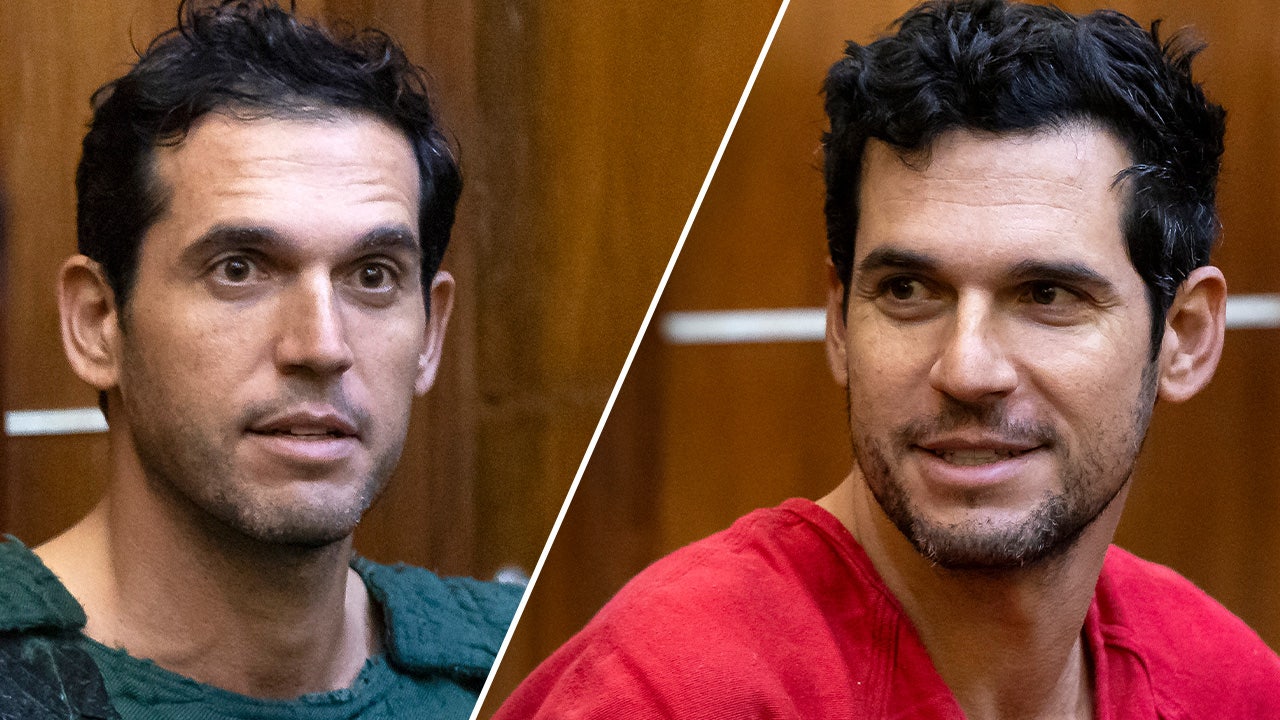
In the high-stakes world of New York real estate, brothers Oren and Alon Alexander, once prominent brokers, were convicted in early 2026 on federal sex trafficking charges. Their case highlights how white-collar crimes, such as using luxury properties for exploitation, intersect with street-level chaos, driven by economic inequality. This article explores these connections, drawing on 2026 events like the Chicago stabbing and Pokémon heist, to reveal how elite crimes exacerbate urban violence. With U.S. inequality at a Gini coefficient of 0.41 (World Bank, 2025), urgent reforms are needed.
Historical Roots and Case Study: Evolution of Crime
American crime has evolved from Prohibition-era syndicates to modern networks. The Alexander brothers' conviction mirrors 1920s bootlegging, where legitimate businesses hid illicit activities. In 2026, events like the January 16 Chicago stabbing and January 17 Pokémon heist show parallels, fueled by economic gaps. Prosecutors revealed the Alexanders used Manhattan apartments to traffic victims from 2010-2021, exposing real estate vulnerabilities. This case links to broader patterns, including Sinaloa Cartel ties and migrant exploitation, as seen in January 18 arrests.
Analyzing Patterns and Predictive Outlook: Economic Catalysts and Future Trends
Economic disparities drive crime fusion, with white-collar profits funding street violence. In 2026, Chicago's youth violence rose 18% amid 12% unemployment (BLS, 2025), while trafficking networks launder billions through U.S. real estate (UNODC, 2025). Looking ahead, expect DOJ crackdowns and new laws like the "Industry Trafficking Accountability Act" by 2027, using AI for screenings. Grassroots apps could reduce reports by 10-15%, but inflation may spike urban crime by 25% if unaddressed. Proactive measures, like blockchain tracking, are essential to break this cycle.
Conclusion: Pathways to Reform
The Alexander case underscores how white-collar crimes enable street chaos amid inequality. Solutions include universal basic income pilots, which cut property crime by 12% in trials, and cross-agency probes. Readers should support victim funds and report suspicious activities for a resilient future.