
The Geopolitical Undercurrents of Terrorism in Russia: From Historical Shadows to Future Threats
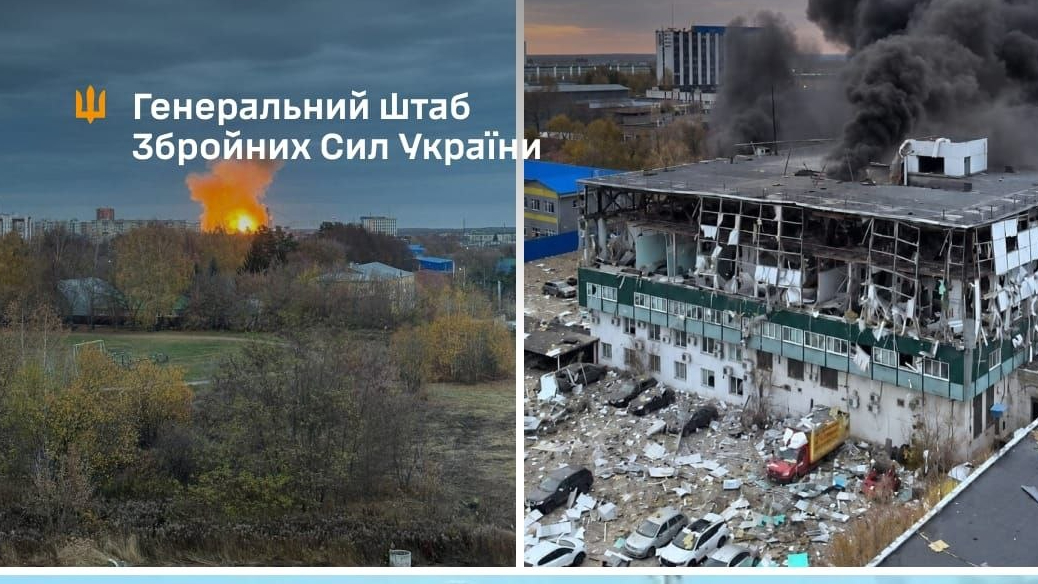
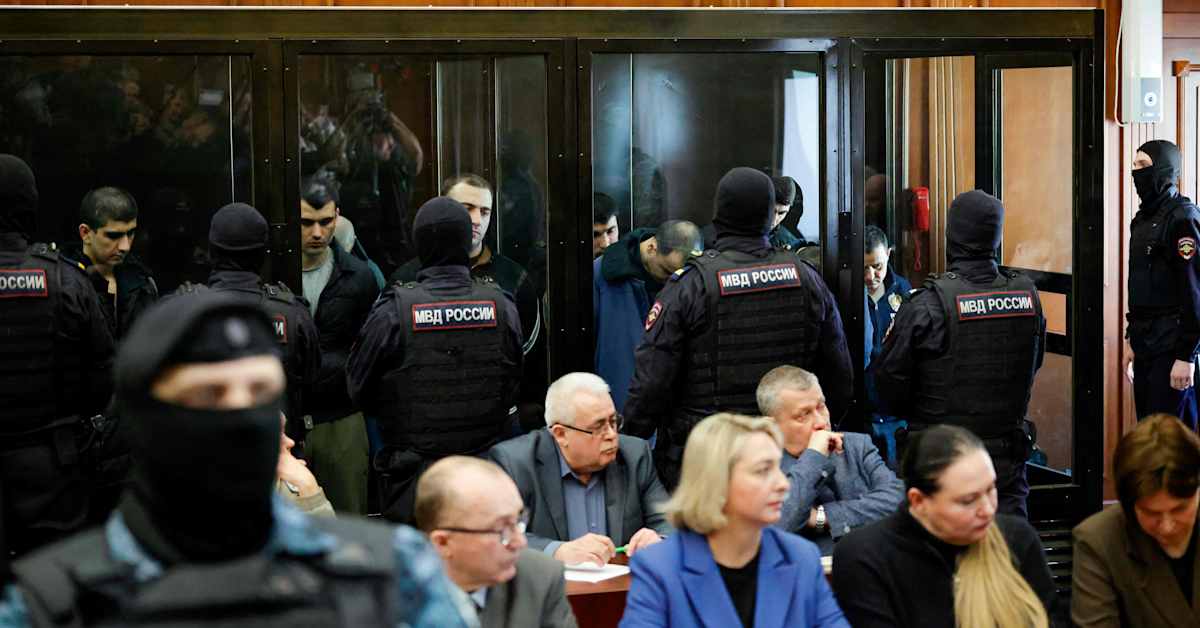
Terrorism in Russia has evolved into a major geopolitical issue, highlighted by the 2024 Crocus City Hall attack that killed 149 people and led to life sentences for 19 ISIS-linked individuals. Amid accusations of Ukrainian and British involvement in recent border incidents, this article examines how historical conflicts, migration pressures, and international tensions fuel radicalization, potentially leading to a surge in attacks by 2027.
Historical Context
Russia's modern terrorism threats stem from post-Soviet chaos, including the Chechen Wars and events like the 2015 assassination of Boris Nemtsov. These have created environments for Islamist groups to exploit ethnic grievances and state repression. Key events, such as the 1999 apartment bombings and the 2004 Beslan siege, illustrate a cycle of radicalization driven by migration from Central Asia and economic disparities.
Current Threats
The 2024 Crocus City Hall attack by ISIS-Khorasan affiliates underscores ongoing vulnerabilities. Recent incidents, including a 2026 border attack blamed on Ukraine and arrests of terror suspects, highlight how migration and internal divisions amplify risks. Data shows over 10 million Central Asian migrants in Russia, with rising ISIS recruitment amid economic pressures.
What's Next
Looking ahead, escalating Russia-Ukraine tensions could trigger more attacks by 2027. Policy shifts, like enhanced surveillance, might deter threats but risk further radicalization. Diplomatic efforts with Central Asian nations could mitigate risks, preventing a potential doubling of fatalities from events like Crocus City Hall.
In conclusion, addressing terrorism requires balancing security with reforms to tackle root causes like repression and migration inequities.