The Future of Crypto: How Meme Coins Are Reshaping Financial Norms Globally

Latest from X
The Future of Crypto: How Meme Coins Are Reshaping Financial Norms Globally
Introduction: The Meme Coin Phenomenon
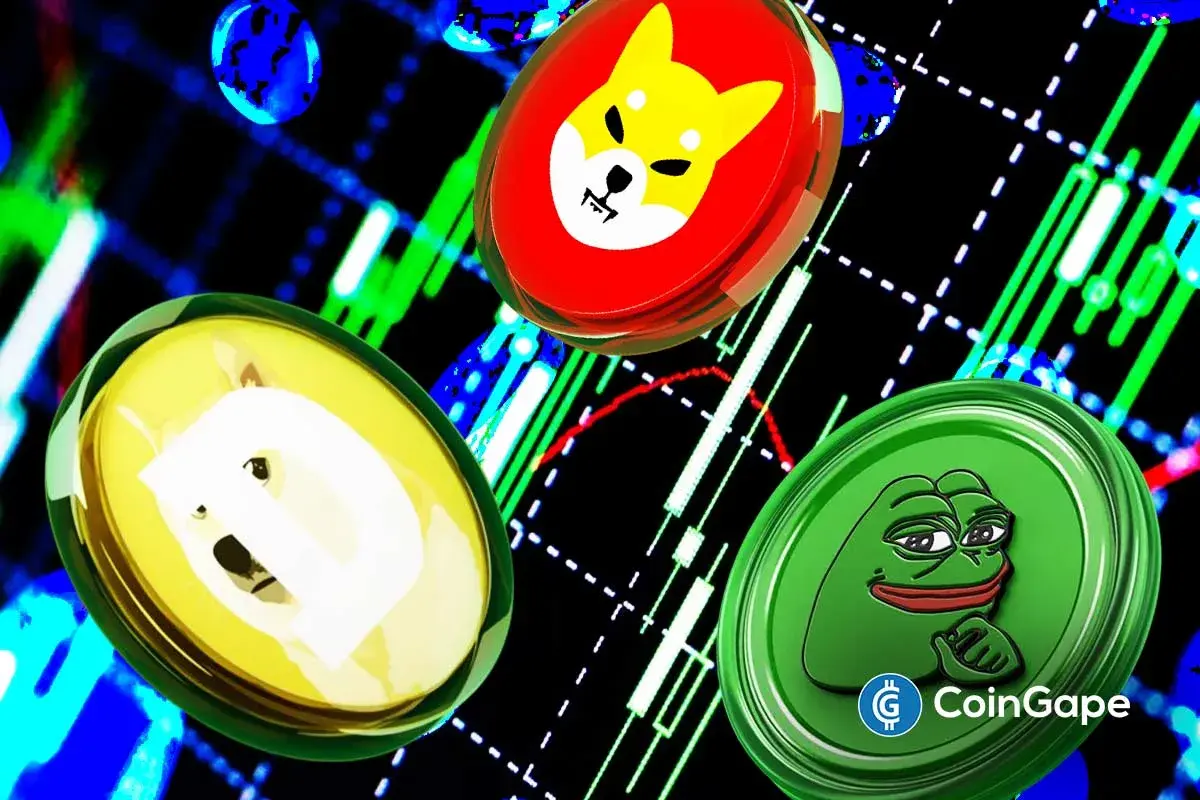
Meme coins represent a unique subset of cryptocurrencies, originating as internet jokes or cultural references that evolve into tradable digital assets fueled by viral hype rather than traditional utility or technological fundamentals. Pioneered by Dogecoin (DOGE) in 2013, which began as a parody of Bitcoin using the Shiba Inu dog meme, the sector has exploded in prominence. Coins like Shiba Inu (SHIB), Pepe (PEPE), and Bonk (BONK) have joined the fray, capturing billions in market capitalization through sheer community fervor.
In early 2026, meme coins have reasserted dominance amid a broader crypto rally. Posts found on X highlight surges, with PEPE reportedly up over 65% year-to-date, DOGE gaining 20%, and SHIB and BONK posting double-digit increases, adding billions to the sector's market cap. This phenomenon transcends price action, embodying cultural significance: meme coins thrive on humor, relatability, and grassroots engagement, turning passive internet users into active participants. Unlike enterprise blockchain projects, their success hinges on shared memes, celebrity endorsements, and online tribalism, democratizing access to high-risk speculation in ways traditional finance long reserved for elites.
Historical Context: Financial Democratization Through the Ages
The rise of meme coins echoes historical financial revolutions that upended gatekept systems, broadening participation and challenging incumbents. The internet boom of the late 1990s democratized information and e-commerce, enabling retail investors to trade stocks via platforms like E*TRADE, bypassing broker fees and accelerating the dot-com era. Similarly, crowdfunding platforms such as Kickstarter, launched in 2009, disrupted venture capital by allowing everyday creators to fund projects directly from global backers, raising over $7 billion by 2020.
Meme coins parallel these shifts more provocatively. Just as the South Sea Bubble of 1720 saw speculative manias driven by public enthusiasm for unproven ventures, meme coins harness collective sentiment to inflate values rapidly—yet with a modern twist of instant liquidity and borderless access. The 2021 GameStop saga, where Reddit's WallStreetBets community squeezed hedge funds, prefigured this: retail traders wielded social coordination to challenge institutions. Meme coins extend that disruption into crypto, where anyone with a smartphone and internet can mint, trade, or promote a token, mirroring how the printing press once democratized knowledge, fostering widespread financial experimentation outside elite control.
Current Landscape: The Surge of Meme Coins
Early 2026 has witnessed a meme coin resurgence, with DOGE, SHIB, PEPE, and BONK leading gains amid favorable macro conditions. According to reports, PEPE surged up to 70% since January 1, while the overall meme sector added $8-13 billion in market cap, flipping from historic lows in late 2025. This aligns with broader market dynamics: U.S. stock indices like the S&P 500 and Nasdaq climbed on January 9, buoyed by gold's rally and dovish Federal Reserve signals, spilling into risk assets including crypto.
External factors amplified the momentum. Anticipation around the U.S. Consumer Price Index (CPI) report, expected to influence rate cut expectations, correlated with Bitcoin stabilizing near $93,000-$94,000, providing a stable backdrop for altcoin speculation. Meanwhile, Bitcoin and Ethereum ETFs shed early-year gains as rate hopes faded, redirecting flows to high-beta meme assets. Posts on X captured this sentiment, noting short liquidations, risk-on trading, and speculation over meme coin ETFs as catalysts, underscoring how meme coins amplify broader economic tailwinds.
Community and Culture: The Driving Forces Behind Meme Coins
Social media platforms like X serve as the lifeblood of meme coins, transforming viral posts into price catalysts. Communities coalesce around shared narratives—PEPE as a "culture" icon, DOGE as an enduring joke—driving organic pumps through memes, influencer endorsements, and coordinated "to the moon" campaigns. This contrasts with traditional finance's top-down analyst reports, empowering retail voices.
Case studies illustrate the impact. Dogecoin's 2021 surge, propelled by Elon Musk's tweets, drew millions of new holders, altering investor behavior toward FOMO-driven trades. SHIB's "Shib Army" similarly mobilized via Discord and Telegram, funding ecosystem expansions like ShibaSwap. Recent X buzz in early 2026 echoes this, with users highlighting PEPE's 30-65% pumps and BONK's double-digit rises as signs of retail revival. These dynamics foster behavioral shifts: investors prioritize narrative velocity over fundamentals, accelerating adoption but also amplifying herd mentality risks.
The Economic Impact: Meme Coins vs. Traditional Investments
Meme coins exhibit extreme volatility compared to traditional assets, with daily swings often exceeding 20-50%, versus the S&P 500's typical 1% moves. A $10,000 investment in PEPE during its recent surge could double or halve overnight, dwarfing bond yields or blue-chip stock returns. This high-reward profile stems from low barriers to entry—no KYC for many DEX trades—and liquidity pools susceptible to whale manipulations.
For financial institutions, meme coins pose both threat and opportunity. Banks, facing stagnant retail growth, eye crypto integrations; firms like BitGo's pursuit of a $2 billion IPO signals institutional maturation. Regulators grapple with implications: unchecked volatility risks retail losses, prompting scrutiny akin to past bubbles. Yet, their democratization—enabling unbanked populations in emerging markets to participate—challenges exclusionary systems, potentially eroding traditional asset dominance as younger demographics favor speculative, community-backed alternatives.
Looking Ahead: Predictions for Meme Coins and the Crypto Market
Meme coins could profoundly influence investment paradigms, birthing hybrid products like tokenized social currencies or meme-themed ETFs, blending virality with compliance. Continued popularity might normalize community governance in finance, inspiring DAOs that rival mutual funds and reshaping strategies toward sentiment analytics over balance sheets.
Regulatory evolution looms large. U.S. bodies may impose disclosure rules or volatility warnings, mirroring post-GameStop reforms, while global responses vary—Europe's MiCA framework eyes stablecoins amid reports of UK firms moving $1 billion for Iran, highlighting sanctions evasion risks. Ethereum co-founder Vitalik Buterin's call to prepare for quantum threats underscores technical imperatives, potentially bolstering meme ecosystems on resilient chains.
Ultimately, meme coins herald a democratized model: finance as culture, not credential. If surges persist, they may catalyze a paradigm where social capital rivals financial pedigrees, pressuring incumbents to adapt or cede ground. However, sustainability hinges on maturing infrastructure and tempered exuberance, lest euphoria yield to reckoning.
(Word count: 1,248)
Crypto analysis
How this ties into market intelligence
This format connects the article narrative back to Catalyst and the markets hub, so readers can move from headline context into asset-level implications and live pricing signals.
Market focus
Global
Best next step
Read the full analysis below for context, sources, and what to watch next.
Original Sources
- •
- •
- •
- •
- •Jan 12, 2026— decrypt
- •Jan 12, 2026— decrypt
- •Jan 12, 2026— decrypt
- •Jan 12, 2026— decrypt
- •Jan 12, 2026— decrypt
- •
Editorial process: This article was synthesized from the original sources cited above using The World Now's AI editorial system, with byline accountability from our editorial team. We grade every story for source grounding, factual coherence, and on-topic match before publication. Read more about our editorial standards and contributors. Spot something inaccurate? Let us know.
Last updated: January 19, 2026